Can I Use CPVC in Commercial Construction?
Overview
Use CPVC In Commercial Construction should be understood through its purpose, project setting, controlling documents, and the work it affects. This guide connects the topic to planning, design or scope decisions, coordination, construction checks, and handover rather than treating a label or estimate as a complete answer.
Use the source article's topic details with current project information. Local approvals, safety requirements, engineering decisions, and financial or legal treatment depend on the facts and responsible authority.
When it comes to selecting materials for commercial construction, choosing the right type of piping is crucial for ensuring the integrity and efficiency of a building's plumbing system. One material that frequently comes into consideration is chlorinated polyvinyl chloride (CPVC). This article provides an in-depth examination of whether CPVC is suitable for use in commercial construction projects, focusing on its advantages, limitations, and regulatory considerations.
- Understanding CPVC: An Overview
- 1. What is CPVC?
- 2. Key Properties of CPVC
- Regulatory and Code Considerations
- 1. Building Codes and Standards
- 2. Local Codes and Regulations
- Advantages of Using CPVC in Commercial Construction
- 1. Cost-Effectiveness
- 2. Low Maintenance Requirements
- 3. Versatility and Adaptability
- Limitations and Considerations
- 1. Temperature Limitations
- 2. Impact Resistance
- 3. UV Sensitivity
- Installation and Best Practices
- 1. Proper Handling and Storage
- 2. Correct Installation Techniques
- 3. Inspection and Maintenance
- Conclusion
Understanding CPVC: An Overview
1. What is CPVC?
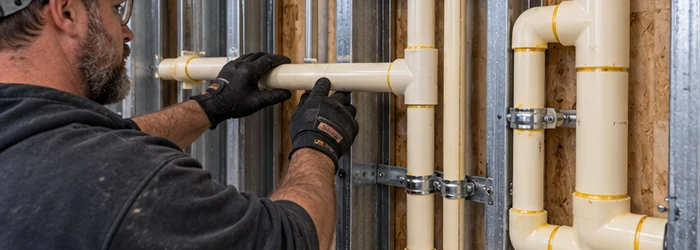
CPVC is a thermoplastic polymer made from polyvinyl chloride (PVC) that has been chlorinated. This chemical modification improves its temperature and pressure resistance. CPVC is commonly used in plumbing systems due to its durability, corrosion resistance, and ease of installation.
2. Key Properties of CPVC
CPVC boasts several important properties, including:
- High Temperature Resistance: CPVC can handle hot water up to 200°F (93°C), making it suitable for various plumbing applications.
- Corrosion Resistance: Unlike metal pipes, CPVC is resistant to rust and corrosion, extending its lifespan and reducing maintenance needs.
- Chemical Resistance: CPVC is resilient against many chemicals, which is beneficial in both industrial and commercial settings.
- Ease of Installation: CPVC pipes are lightweight and can be joined using solvent cement, simplifying the installation process.
Regulatory and Code Considerations
1. Building Codes and Standards
The use of CPVC in commercial construction must comply with relevant building codes and standards. These regulations are crucial to ensure that the material meets safety and performance requirements.
- International Plumbing Code (IPC): The IPC outlines the standards for various plumbing materials, including CPVC, specifying where and how they can be used.
- Uniform Plumbing Code (UPC): Similar to the IPC, the UPC provides guidelines for plumbing installations, including the use of CPVC.
- National Fire Protection Association (NFPA): The NFPA sets standards for fire safety, which can impact the use of CPVC in commercial applications.
2. Local Codes and Regulations
In addition to national codes, local building codes may have specific requirements or restrictions regarding the use of CPVC. It is essential to consult with local authorities or building inspectors to ensure compliance with all applicable regulations.
Advantages of Using CPVC in Commercial Construction
1. Cost-Effectiveness
CPVC is often more affordable compared to other piping materials such as copper or stainless steel. This cost-effectiveness makes it an attractive option for commercial projects where budget constraints are a concern.
2. Low Maintenance Requirements
The resistance of CPVC to corrosion and scaling means that it requires less maintenance over time. This property can lead to lower long-term costs and fewer disruptions to building operations.
3. Versatility and Adaptability
CPVC can be used in various applications within commercial construction, including:
- Hot and Cold Water Systems: Suitable for both hot and cold water plumbing.
- Fire Sprinkler Systems: Compliant with certain codes for use in fire protection systems.
- Chemical Processing: Ideal for handling certain chemicals in industrial settings.
Limitations and Considerations
1. Temperature Limitations
Although CPVC can handle hot water temperatures up to 200°F (93°C), it is not suitable for extremely high temperatures. For applications involving very hot water or steam, alternative materials may be necessary.
2. Impact Resistance
CPVC is more brittle compared to some other materials, making it susceptible to impact damage. Proper handling and installation practices are essential to prevent damage during construction.
3. UV Sensitivity
CPVC can degrade when exposed to direct sunlight for prolonged periods. It is crucial to protect CPVC pipes from UV exposure, either by using UV-resistant coatings or installing pipes in protected areas.
Installation and Best Practices
1. Proper Handling and Storage
To ensure the longevity and performance of CPVC pipes, they should be handled and stored properly. Avoid exposure to harsh weather conditions and physical damage during transportation and storage.
2. Correct Installation Techniques
Follow the manufacturer’s guidelines and building codes for installing CPVC pipes. Key considerations include:
- Cutting and Fitting: Use appropriate tools for cutting and fitting CPVC pipes to avoid damage.
- Joining: Employ solvent cement as recommended by the manufacturer to ensure strong, leak-proof joints.
- Support and Bracing: Provide adequate support and bracing to prevent sagging and movement.
3. Inspection and Maintenance
Regular inspection and maintenance are vital to ensure the CPVC system remains in good condition. Look for signs of damage, leaks, or deterioration, and address any issues promptly.
Conclusion
CPVC is a viable option for many commercial construction applications due to its cost-effectiveness, low maintenance, and versatility. However, its suitability depends on adherence to building codes, proper handling, and consideration of its limitations. By understanding the properties and best practices associated with CPVC, builders and property managers can make informed decisions about its use in commercial projects.
Scope and meaning
A commercial or institutional building begins with the activities it must support. For use cpvc in commercial construction, define users, operating hours, equipment, deliveries, peak occupancy, security, storage, and future change. Distinguish base building, shell-and-core, tenant fit-out, owner equipment, and site work. A leasing plan may not show construction scope; assign each package.
Planning inputs to confirm
Map the program to site, circulation, servicing, and operations. Confirm how people, deliveries, waste, responders, maintenance staff, and equipment reach the building. Check the review path with responsible professionals; classifications and requirements depend on location and use. Consider accessible routes, egress, fire protection, structure, utilities, and loading early.
Design choices and trade-offs
Coordinate structure, enclosure, utilities, life-safety systems, and maintenance. Evaluate clear heights, spans, equipment rooms, risers, façade performance, acoustics, and expansion. For multiple tenants, define shared areas, metering, access, and maintenance responsibilities. Specialized equipment must fit and remain serviceable before the layout is fixed.
A practical project sequence
Plan from program and site verification through coordinated design, authority review, procurement, enabling work, structure, enclosure, rough-in, fit-out, testing, and occupancy readiness. Coordinate long-lead equipment and utility approvals. Include inspection hold points and commissioning. Phased occupancy needs temporary access, fire strategy, utilities, and unfinished-area responsibility.
Coordination and responsibilities
Use an interface matrix for architecture, structure, civil, mechanical, electrical, plumbing, fire, security, IT, lifts, and tenant scope. Identify who provides sleeves, supports, fire stopping, controls, meters, tests, training, and access. Review cost and schedule changes against operations and tenant obligations.
Cost and schedule considerations
Separate shell, landlord work, tenant improvements, owner equipment, external work, design, testing, commissioning, fees, and contingency. Compare bids on identical scope. A low base price may shift costs to fit-out or operations. Track changes by location and package, including lead time, access, testing, energy, and maintenance.
Quality checks
Define acceptance evidence before installation: approved submittals, samples, mock-ups, inspections, functional tests, balancing, controls, commissioning, and training as applicable. Follow approved documents and authority requirements. Before opening, confirm approvals, safe access, tested systems, warranties, record drawings, and responsible operators.
Risk and long-term use
Plan equipment replacement routes, roof access, shutoffs, meters, cleanouts, waste, spare parts, and service contracts. Deliver operating sequences, warranties, as-builts, approvals, and maintenance schedules. Clarify who operates shared services and how future tenant changes are reviewed.
Topic-specific questions
The source outline surfaces points to verify against current project information:
- Understanding CPVC: An Overview. Check the exact location, source revision, reviewer, and whether the point is a definition, design intent, measurement, requirement, or example. Record the answer before procurement or installation if it changes scope, sequence, or acceptance.
- What is CPVC?. Check the exact location, source revision, reviewer, and whether the point is a definition, design intent, measurement, requirement, or example. Record the answer before procurement or installation if it changes scope, sequence, or acceptance.
- Key Properties of CPVC. Check the exact location, source revision, reviewer, and whether the point is a definition, design intent, measurement, requirement, or example. Record the answer before procurement or installation if it changes scope, sequence, or acceptance.
Project checklist
Before committing to a decision about use cpvc in commercial construction, work through these checks:
- Record location, purpose, project phase, date, and controlling revision.
- Separate verified conditions from assumptions, open questions, allowances, and exclusions.
- Confirm scope, measurement, product or system, interfaces, access, and responsibility.
- Agree who reviews the work, which evidence is required, and when inspection must occur.
- Document approved changes with location, cost or schedule effect, owner, date, and closure.
- Keep tests, photographs, record information, warranties, and maintenance instructions for handover.
Common mistakes to avoid
Do not rely on a broad label, old drawing, generic figure, or verbal field decision when the actual scope can be checked. Confirm the basis, location, version, and reviewer before work is committed. When evidence is incomplete, mark the conclusion provisional and name the next action instead of presenting an assumption as fact.
Frequently asked questions
What must a commercial brief define?
Uses, users, hours, peak occupancy, equipment, deliveries, servicing, security, and future change.
Does the same layout work everywhere?
No. Site, use, authority requirements, utilities, access, operations, and local rules affect design.
How do shell and fit-out differ?
The contract defines the boundary; a scope matrix should identify base building, tenant work, equipment, utilities, and testing.
When should commissioning be planned?
During design and scheduling, with systems, tests, owners, records, and training defined.
What is needed before occupancy?
Required approvals, safe access, tested systems, operating instructions, training, warranties, record information, and closeout.
Related Building Design resources
Continue with Are Commercial Construction Bids Higher Than Residential?, Are Townhomes Residential or Commercial Construction?, Building Perspectives: The Difference Between. Apply each resource only to its scope and verify project decisions against approved records.
Conclusion
A reliable result for use cpvc in commercial construction comes from clear scope, current evidence, coordinated decisions, and documented checks. Obtain qualified review where safety or compliance is involved, and keep the approved record available for construction and future maintenance.
Additional practical considerations
Review expected operations: deliveries, shift changes, peak use, cleaning, security, waste, service access, and equipment replacement. Record these in the program and test the layout with people who will operate the building.
Convert use cpvc in commercial construction into a decision that can be reviewed. State the question, location, project phase, controlling document, required outcome, and person who can approve it. Separate what is known from what still needs measurement, testing, or interpretation. For commercial work, test the choice against actual operations, occupancy, equipment, servicing, fit-out boundaries, and future changes. This makes the next action clear and keeps a broad topic from becoming an unrecorded field assumption.
Build an evidence trail for use cpvc in commercial construction from the current source material. Keep drawing and specification revisions, dated site information, product data, quantities, approvals, meeting decisions, and photographs tied to a location. If two records disagree, retain both references and obtain a written resolution. A clean record lets another reviewer understand why a choice was made without relying on memory or a generic example.
Review interfaces before work is released. Check what touches the topic: structure, enclosure, utilities, access, adjacent trades, temporary conditions, inspection points, and maintenance space. Name who provides each connection and who verifies it. For commercial work, test the choice against actual operations, occupancy, equipment, servicing, fit-out boundaries, and future changes. Resolve the detail in the documents before procurement or concealment; an instruction to coordinate later does not explain scope or acceptance.
Compare options using the same basis. State dimensions, performance, material, finish, delivery, access, schedule, exclusions, and required testing. Explain the trade-off rather than presenting one option as universally best. Record any effect on cost, durability, operation, or future repair. Where a value depends on site or jurisdiction, identify the facts that must be checked instead of implying a fixed result.
At handover, preserve the final approved decision for use cpvc in commercial construction. Include the installed configuration, approved changes, product or source information, inspection and test evidence, open items, maintenance steps, and responsible contact. Mark superseded documents and keep the final revision accessible. This closes the gap between planning and use, and gives future owners a reliable basis for repair or alteration.