
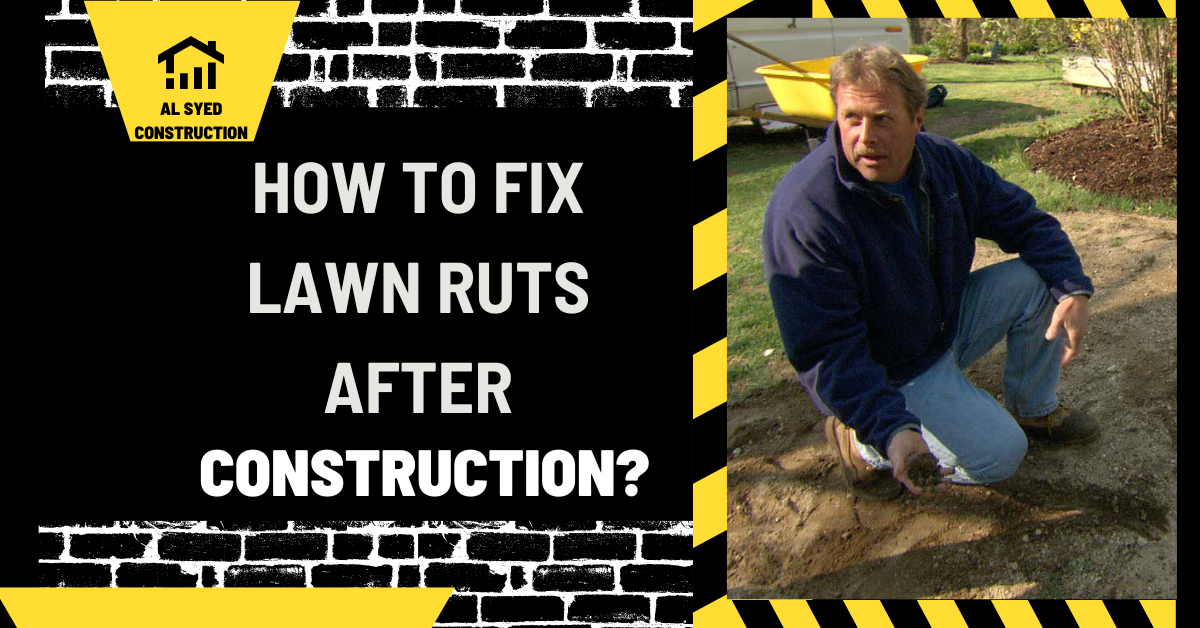
How to Fix Lawn Ruts After Construction
Introduction
Construction activities can often lead to the formation of ruts and depressions in the lawn, caused by heavy machinery, foot traffic, or the storage of materials. These ruts can be unsightly and may lead to drainage issues or uneven surfaces. Restoring the lawn to its former condition requires a systematic approach to repair the damage and promote healthy grass growth. This article provides a step-by-step guide on how to fix lawn ruts after construction.
Assessing the Damage
Identifying the Extent of the Ruts
The first step in repairing lawn ruts is to assess the extent of the damage. Determine the depth, length, and width of the ruts and identify any areas where the soil is compacted or the grass is severely damaged.
Evaluating Soil Conditions
Check the soil condition in and around the ruts. Soil compaction is a common issue in areas with heavy construction traffic. Loosening compacted soil is essential for restoring proper drainage and providing a healthy environment for grass roots.
Preparing the Area
Removing Debris
Clear any debris, rocks, or construction materials from the affected area. This will ensure a clean workspace and prevent any obstacles from hindering the repair process.
Loosening Compacted Soil
Use a garden fork or an aerator to loosen compacted soil in and around the ruts. This will improve aeration and water infiltration, which are crucial for grass recovery and growth.
Repairing the Ruts
Filling the Ruts
Fill the ruts with a mixture of topsoil and compost. The compost will provide nutrients to the soil, while the topsoil will help level the area. Be sure to fill the ruts slightly above the surrounding lawn level to allow for settling.
Seeding or Sodding
Depending on the extent of the damage, you may need to reseed or lay sod in the repaired areas. Choose a grass seed or sod that matches the existing lawn for a uniform appearance. Water the area thoroughly to promote germination and root establishment.
Maintaining the Repaired Lawn
Regular Watering
Keep the repaired areas well-watered, especially during the initial stages of grass growth. Consistent moisture is essential for seed germination and the establishment of new sod.
Avoiding Traffic
Keep foot traffic and machinery off the repaired areas until the grass is fully established. This will prevent further compaction and damage to the young grass.
Conclusion
Fixing lawn ruts after construction requires a careful assessment of the damage, preparation of the affected area, and appropriate repair techniques. By loosening compacted soil, filling the ruts with a nutrient-rich soil mix, and re-establishing grass, you can restore the beauty and functionality of your lawn. Regular maintenance and careful attention to the repaired areas will ensure a healthy and resilient lawn that can withstand future challenges.
Repair construction-related lawn damage from the cause upward
Planning the work in a measurable sequence
Do not start by scattering seed over the visible damage. First determine why the turf failed. Compaction from vehicles, buried debris, thin topsoil, a changed drainage path, settling fill, construction dust, and repeated foot traffic call for different repairs. Mark each damaged zone and check whether it is dry, saturated, compacted, eroded, shaded, or receiving runoff. If water flows across the area, correct the source or grade before reseeding; otherwise a new lawn can wash out in the same place.
Control materials, water, and site conditions
Remove rocks, roots, concrete fragments, and loose construction material. Where the soil is compacted, loosen it to a depth appropriate to the repair and avoid working it when very wet. Bring low areas back to the planned grade with suitable soil, compacting lightly in lifts if settlement is a concern. Maintain drainage away from buildings and do not cover utility covers, drains, or required clearances. For deeper settlement or a slope that moves, use a qualified site professional rather than disguising the problem with a thin layer of topsoil.
Check the work before moving to the next zone
Match the repair method to the area and desired turnaround. Seed can fit a larger area or a patch where time and watering are available. Sod gives immediate cover and can help protect a prepared surface, but the soil beneath still needs good contact and consistent moisture. Hydroseeding may help distribute seed and mulch over a broad or irregular area when equipment and site conditions suit it. None of these options fixes poor drainage, contaminated soil, or an unstable grade by itself.
Diagnose problems before repeating the treatment
Protect the repair while it establishes. Keep machinery and routine traffic out, direct roof or surface runoff away, and monitor for washouts after rain. Water gently enough to avoid moving soil or exposing seed. If the repair is thin, inspect the cause before adding more material. A second application can be appropriate after the bed is corrected, but repeated overseeding without fixing compaction or shade usually wastes seed. Photograph the area before and after work so settling or recurring runoff can be identified.
Field check for how to fix lawn ruts after construction?
Map the damaged locations, note the suspected cause, and confirm drainage before choosing seed, sod, or hydroseeding. After repair, inspect after the first substantial rain and again during establishment. Correct a recurring grade or compaction problem before applying more seed.
Preparation and handoff notes
Before work starts, make a small site record with the measured area, grass selection, soil condition, slope, water source, and work date. A sketch helps separate the lawn from sidewalks, beds, structures, and areas with different exposure. Keep the estimate and package directions together. If someone else will operate the equipment or water the lawn, share the written sequence and identify who is responsible for each step.
Common questions
Can I seed directly over a construction rut?
First identify and correct compaction, grade, drainage, and debris. Seed placed over an unresolved rut may fail or wash away.
Is sod always the fastest repair?
Sod gives immediate surface cover, but it still needs a prepared bed and establishment care. Choose based on site and maintenance capacity.
How do I stop a repaired area from washing out?
Address the source of runoff, stabilize the grade, and use appropriate erosion measures. Do not rely on extra seed alone.
For a complete lawn plan, review fix lawn after construction, compare it with hydroseeding before after, and use grass seeding patches when checking the related material or maintenance decision.
Final quality-control checklist
Walk the full treatment area and compare the installed work with the measured plan. Check edges, transitions, gaps, drainage paths, and the areas farthest from the water source. Make a note of any correction while the crew, materials, and site conditions are still known. Do not cover an unresolved low spot or runoff channel with additional material. Verify the lawn again after irrigation or rain and log any area that needs repair.
Keep the product label, date, quantity, lot or variety, and care instructions with the property record. This information is useful if the area needs reseeding, a sod replacement, or a later contractor visit. A record also helps the owner avoid applying a second product that conflicts with an earlier treatment. For uncertain site conditions, use the manufacturer’s directions and seek qualified local advice before repeating an application.
Establishment is a sequence of preparation, accurate coverage, and follow-up. Check the ground before application, match the material to the site, and adjust the plan when drainage, weather, or access changes. A consistent record is more useful than relying on memory or a package image. Revisit the most stressed locations first, then correct the cause before applying more material.
What to record after the work
Photograph the original damage and note its likely cause, repair method, soil work, and follow-up weather. Inspect the same points after rain and irrigation. If a rut, washout, or bare patch returns, correct the drainage or compaction problem before repeating the repair. A record helps the next crew avoid treating only the visible symptom.
Close the project with one final walk of the treated area. Check the boundaries, transitions, drainage structures, access route, and areas most exposed to sun or runoff. Record anything that still needs attention, assign the person responsible, and set a date to recheck it. Keep the record with the site plan so future maintenance or renovation starts with accurate information instead of assumptions.
Example: applying the plan to a real site
For a construction rut beside a driveway, first determine whether the rut is compacted, low, or carrying water. Remove debris, correct the subgrade and grade, and restore a firm, smooth seed or sod bed. Keep runoff from the driveway from cutting across the repair. Choose a repair method that fits the area and watering capacity, then photograph the repaired zone and inspect it after rain. If water still crosses the same track, correct that flow before applying more turf material.
Follow-up inspection and adjustment
After the next rainfall, revisit the same damaged locations and photograph any new movement. Check whether water crosses the repair, soil settles, or traffic returns to the area. If the damage reappears in the same line, correct the drainage or compaction cause before treating the surface again.
Use the result of that inspection to make one documented adjustment at a time. Change a single input, such as the treatment area, material rate, watering coverage, or work sequence, and record why it changed. When several things change together, it becomes difficult to learn which one improved the outcome. Keep the labels and site notes available until the lawn is stable and any agreed repair is complete.
