
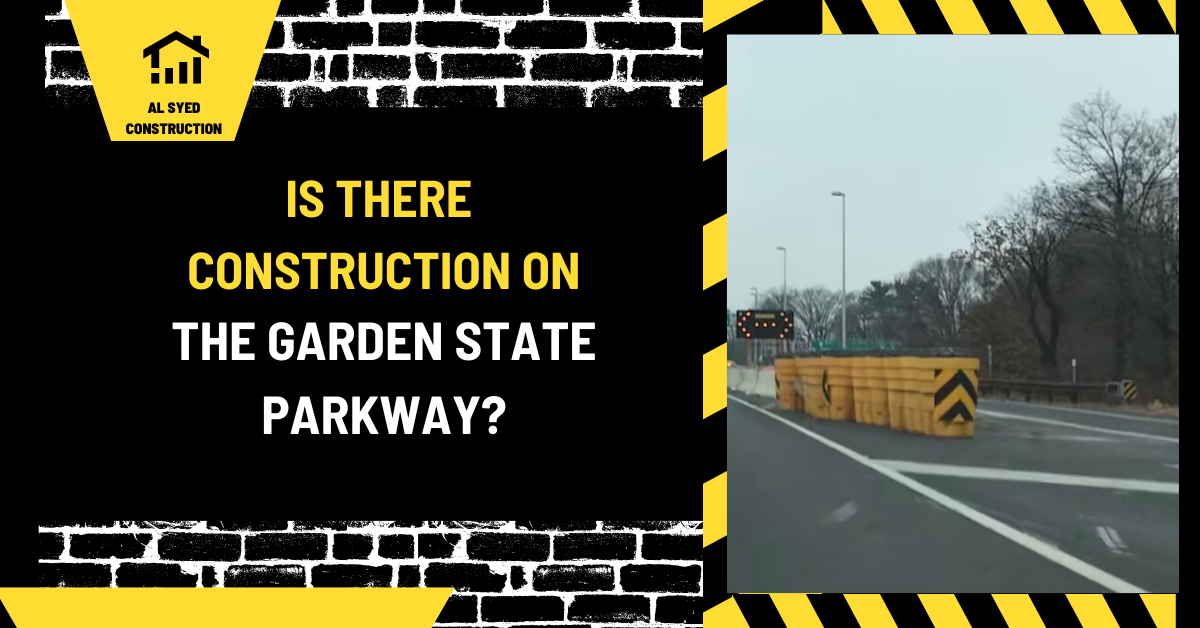
Is There Construction On The Garden State Parkway
The question Garden State Parkway construction status depends on a live roadwork and traffic situation. Construction notices can change by date, direction, interchange, weather, and emergency conditions, so an article should explain how to verify the trip rather than promise that a specific lane is open. This guide shows what to check before departure and how to interpret a notice without mistaking a planned project for a current closure.
Quick Answer
There may be construction or maintenance work on the Garden State Parkway at a particular time, but conditions are location- and date-specific. Before travelling, check the New Jersey Turnpike Authority’s current travel alerts and New Jersey’s live traffic information, then confirm the direction, milepost or interchange, work hours, detour, and expected delay. Recheck near departure because schedules can change.
What to Assess Before Work Begins
A live answer to this question depends on the travel date, direction, and Parkway segment. The New Jersey Turnpike Authority publishes current travel alerts, while New Jersey live traffic information helps identify incidents and delays. Check both close to departure and compare the notice with the exact entrance and exit.
A notice may describe a planned project, a scheduled overnight restriction, an incident, or a temporary lane closure. Those are not interchangeable. Include the publication time and affected milepost, interchange, ramp, direction, and work window when explaining a restriction, and remove it when the notice expires.
Turn the topic into a project checklist
For Garden State Parkway construction status, write down the intended result, existing conditions, material or service scope, responsible party, inspection point, and maintenance handoff. This makes quotes easier to compare and helps the team identify assumptions before they become field changes. Keep the decision aligned with current drawings, product information, and local requirements.
Four checks that make the decision more reliable
- Purpose: State what the work must accomplish and how the result will be checked.
- Existing conditions: Record grade, soil, access, utilities, water, existing materials, and features that must remain.
- Interfaces: Identify nearby buildings, paths, drains, planting, property edges, other trades, or users affected by the work.
- Ownership after completion: Assign inspection, watering, cleaning, repairs, recordkeeping, and approval of future changes.
Define how the finished work will be checked: line and grade, plant identity and condition, drainage flow, material appearance, record documents, or an agreed maintenance handoff. A clear check makes acceptance less subjective and helps identify a defect while it can still be corrected.
Materials, Methods, or Plant Types to Compare
Compare alternatives against the same site information and scope. The options below are starting points for selection, not a substitute for a project detail or product submittal.
- Official travel alerts: Use the road operator’s current alerts for planned work, lane restrictions, or closures. Confirm the time and segment before applying a notice to a trip.
- Live traffic information: A real-time traffic service can show incidents and delays. Cross-check important restrictions with the road operator’s notice when the route or timing is critical.
- Route planning: Compare the intended entrance, destination, and exit with any posted detour. Allow extra time if work overlaps with a busy period or a critical appointment.
- On-road signs and variable messages: Signs at the approach provide current directions and warnings. Follow posted instructions even when a navigation app has not yet updated its route.
Planning and Work Sequence
A clear sequence reduces rework because layout, utilities, material delivery, and quality checks are resolved before the work is covered or put into use.
- Identify the travel date, time, direction, entrance, exit, and vehicle type. This turns a broad Parkway search into a specific trip question.
- Check the New Jersey Turnpike Authority’s current travel alerts and New Jersey live traffic information. Note the last update time and the exact segment covered.
- Compare the notice with the route: milepost, interchange, ramp, lane, work hours, detour, and access restrictions. Do not infer a full closure from a short lane-work notice.
- Review alternate routes and expected travel time, including whether the alternate is appropriate for the vehicle and whether it crosses the same affected area.
- Recheck near departure and follow posted signs, variable-message boards, and instructions from traffic control. Do not stop in a travel lane to read an alert.
- After the trip, use the operator’s reporting process for roadway issues and keep any report factual: location, direction, time, and observed condition.
Quality Checks, Maintenance, and Long-Term Performance
Because roadway work information changes, update this article’s status language whenever it is maintained. Keep evergreen route-check instructions in the body and date any specific closure or project statement. Remove expired notices rather than leaving them as if they were current.
For travellers, save the route and check it again before each trip. Navigation services can be delayed or omit restrictions; on-road signs and official notices remain important. If conditions differ, choose a safe place to stop before reviewing information.
Before ordering material or choosing a method, write down the existing condition, desired result, constraints, and acceptance check. A small marked sketch, photographs, dimensions, and notes on drainage or access can prevent a broad phrase from becoming an ambiguous field instruction.
Safety, Environmental, and Approval Considerations
Traffic conditions are time-sensitive and can affect driver and worker safety. This guide does not report a live closure. Check current official travel information, obey posted restrictions, reduce distractions, and allow traffic-control crews room to work. Do not enter a closed lane or use an unauthorized work-zone shortcut.
Common Mistakes to Avoid
- Treating a project page as a live traffic report.
- Ignoring the direction, interchange, or time listed in a work notice.
- Assuming a planned closure is active every day or at every hour.
- Following an app around a closure against posted roadway signs.
- Reading or editing a phone while driving through a work zone.
Frequently Asked Questions
How do I check for Parkway construction today?
Check the New Jersey Turnpike Authority’s current travel alerts and New Jersey’s live traffic information shortly before departure. Confirm the affected segment and direction.
Can a construction schedule change?
Yes. Weather, emergency repairs, and operational needs can shift work. Recheck current alerts and posted signs.
Does a lane closure mean the whole Parkway is closed?
Not necessarily. Read the exact lane, direction, milepost or interchange, and time in the notice.
Should I trust a navigation app over road signs?
No. Follow posted traffic-control signs and official restrictions, and review route changes only from a safe location.
Related Guides in Plants, Gardens & Landscaping
For this time-sensitive topic, confirm the current road notice through official travel alerts and live traffic information before departure. This article provides a checking method rather than a promise about today’s conditions.
Conclusion
A dependable result for Garden State Parkway construction status comes from a clear objective, verified site conditions, a suitable method, and an agreed inspection and maintenance plan. Coordinate affected trades and users before work begins, follow current drawings and product instructions, and record approved changes. When design, water, safety, legal, or financial conditions are uncertain, pause and ask the responsible qualified professional to review them.
Make the result verifiable for Garden State Parkway construction status
Define how the finished work will be checked: line and grade, plant identity and condition, drainage flow, material appearance, record documents, or an agreed maintenance handoff. A clear check makes acceptance less subjective and helps identify a defect while it can still be corrected.
Understanding the exact search intent for Garden State Parkway construction status
Readers use nearby phrases for different reasons: a definition question needs a direct meaning, a planning question needs sequence and dependencies, and a selection query needs comparison criteria. Keep the answer focused on that intent, then explain adjacent decisions only where they help the reader act.
Translate the idea into a site decision for Garden State Parkway construction status
Before ordering material or choosing a method, write down the existing condition, desired result, constraints, and acceptance check. A small marked sketch, photographs, dimensions, and notes on drainage or access can prevent a broad phrase from becoming an ambiguous field instruction.
Connect design and maintenance for Garden State Parkway construction status
A finish that looks complete on opening day may need watering, cleaning, pruning, surface repair, or seasonal inspection to keep performing. Identify who owns those tasks and what condition should trigger a repair. Include access and replacement materials in the original plan.
Respect differences between properties for Garden State Parkway construction status
The same product or planting plan can behave differently because of soil, slope, exposure, water, shade, traffic, and workmanship. Treat examples as planning prompts, verify project requirements, and adjust to measured site conditions before deciding quantities or construction details.
Make the result verifiable for Garden State Parkway construction status
Define how the finished work will be checked: line and grade, plant identity and condition, drainage flow, material appearance, record documents, or an agreed maintenance handoff. A clear check makes acceptance less subjective and helps identify a defect while it can still be corrected.
Understanding the exact search intent for Garden State Parkway construction status
Readers use nearby phrases for different reasons: a definition question needs a direct meaning, a planning question needs sequence and dependencies, and a selection query needs comparison criteria. Keep the answer focused on that intent, then explain adjacent decisions only where they help the reader act.
Translate the idea into a site decision for Garden State Parkway construction status
Before ordering material or choosing a method, write down the existing condition, desired result, constraints, and acceptance check. A small marked sketch, photographs, dimensions, and notes on drainage or access can prevent a broad phrase from becoming an ambiguous field instruction.


Leave a Reply
Want to join the discussion?Feel free to contribute!