
Lull Lift Equipment
Lull Lift Equipment is useful to understand when a construction team needs to identify a component, select a method, or coordinate work with another trade. This guide explains Lull lift equipment in practical terms, how it fits into a project, what to check before work begins, and how to recognize conditions that need clarification. It gives owners, estimators, designers, and field crews a shared starting point without replacing approved drawings, product instructions, or qualified judgment.
Quick Answer
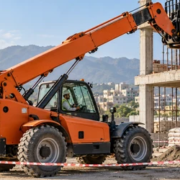
In construction, Lull lift equipment relates to a lifting or access system used or discussed as part of a defined task. A lull lift generally refers to a telescopic handler. Capacity changes with boom position, attachment, load center, and support. The right decision depends on actual materials, service conditions, loads or operating limits, and acceptance criteria. Use the exact project detail and current manufacturer information before ordering, installing, operating, or changing work.
What Lull lift equipment Means in Construction
The phrase Lull lift equipment identifies a topic, but does not by itself specify a complete design or method. The team needs to know what item or action it refers to, where it occurs, which materials are involved, and what result is expected. A lull lift generally refers to a telescopic handler. Capacity changes with boom position, attachment, load center, and support. This prevents a general label from being mistaken for a product approval, capacity, tolerance, sequence, or safety procedure.
Look beyond the name to interfaces around it. Ask what supports or connects to the item, what forces or environmental conditions it sees, which trades install nearby work, and how the finished condition will be inspected. If a drawing, field instruction, and product document conflict, resolve the difference through the project's review process. Clarifying before installation is easier than finding an inaccessible condition during inspection or maintenance.
How It Is Used and Why Details Matter
A lift is a system made of the load, center of gravity, attachment points, rigging components, machine, support, travel path, and people. Every part must be compatible. Capacity changes with configuration; an unreadable marking or unknown component is not a usable rating. Use the lift plan and qualified people required by the work and applicable rules.
For planning Lull lift equipment, define what is included, what remains, who supplies supporting material, and who verifies the result. A lifting or access system can interact with structure, finishes, utilities, access routes, weather, or later trades. Record unusual conditions and keep enough access for inspection. A lull lift generally refers to a telescopic handler. Capacity changes with boom position, attachment, load center, and support. The complete system and its interfaces matter as much as the named item.
Common Applications and Field Contexts for Lull lift equipment
- Load and route: Verify weight, shape, center of gravity, pick points, travel path, landing area, and hazards before connecting equipment.
- Component ratings: Slings, shackles, hooks, blocks, platforms, and attachments have specific markings and configurations; capacities are not interchangeable.
- Configuration: Hitch, sling angle, legs, reeving, boom position, reach, and support can change capacity. Use data for the actual setup.
- Communication: Assign lift roles, agree on signals and stop authority, and keep people outside suspended-load and pinch zones.
Options and Trade-Offs
There is rarely one universal choice for every Lull lift equipment situation. These broad approaches frame a discussion about performance, compatibility, access, inspection, and project constraints; they are not product recommendations. The approved documents and product scope govern the actual selection.
| Approach | Where it may fit | Check before use |
|---|---|---|
| Lift plan | Work with defined load, setup, roles, route, and exclusion area. | It must match site conditions and actual configuration. |
| Rated sling and hardware | Components with legible identification for the planned hitch. | Remove damaged, altered, or unidentified items. |
| Suspended access platform | A designed system approved for personnel access. | Material-hoisting gear is not automatically for people. |
| Mechanical positioning aid | A machine designed for the load and route. | Confirm chart, attachment approval, stability, and operator authorization. |
A comparison table cannot establish capacity, approval, compatibility, or code compliance. Keep product information with the submittal and check that delivered materials match what the project reviewed.
Selection Checks for Lull lift equipment
Review these points with the drawing, specification, real site conditions, and responsible trade. For every unknown, identify who can verify it and hold affected work until the information is available.
Confirm the substrate and condition
Verify weight, shape, center of gravity, pick points, travel path, landing area, and hazards before connecting equipment. For Lull lift equipment, turn this into a project check: name the evidence to review, who signs off, and what must be corrected before work continues. Record differences between site conditions and approved detail instead of adapting by guesswork.
Define the required function
Slings, shackles, hooks, blocks, platforms, and attachments have specific markings and configurations; capacities are not interchangeable. For Lull lift equipment, turn this into a project check: name the evidence to review, who signs off, and what must be corrected before work continues. Record differences between site conditions and approved detail instead of adapting by guesswork.
Check compatibility and configuration
Hitch, sling angle, legs, reeving, boom position, reach, and support can change capacity. Use data for the actual setup. For Lull lift equipment, turn this into a project check: name the evidence to review, who signs off, and what must be corrected before work continues. Record differences between site conditions and approved detail instead of adapting by guesswork.
Plan access, inspection, and records
Assign lift roles, agree on signals and stop authority, and keep people outside suspended-load and pinch zones. For Lull lift equipment, turn this into a project check: name the evidence to review, who signs off, and what must be corrected before work continues. Record differences between site conditions and approved detail instead of adapting by guesswork.
Planning and Work Sequence
A consistent sequence reduces rework and catches mismatches while visible. These steps are a planning framework for Lull lift equipment; approved project methods and exact product instructions take precedence.
- Plan the pick from verified load and identify setup, pick points, route, landing area, people, and services.
- Inspect every sling, fitting, hook, chain, connector, and attachment. Confirm legible markings for the arrangement.
- Verify the machine, rigging, support, and connection against manufacturer information and lift plan, not appearance.
- Brief the crew on roles, signals, exclusion areas, visibility limits, and who can stop work.
- Take up slack gradually and check balance, security, and clearance. Stop for shift, snag, rotation, or lost communication.
- Lower onto prepared support, release only when stable, and inspect equipment afterward. Remove defects from service.
For concealed work, agree on a hold point before starting. The reviewer should know what will be visible, which records are needed, and what acceptance criteria apply. Keep labels, tools, offcuts, and replacement parts organized so different products are not confused.
Safety and Quality Control
Safety and quality both start with understanding the setup. A checklist should reflect Lull lift equipment, tools and equipment, and people who could enter the work area. Use the site safety plan and applicable requirements for task-specific controls.
- Never exceed marked or manufacturer-rated capacity. Do not use equipment with missing required identification.
- Keep people clear of suspended loads and fall zones. Never stand under a load or ride gear not approved for people.
- Stop when weight, attachment, support, wind, or setup is uncertain. Resolve before continuing.
- Inspect rigging and remove damage. Do not weld, knot, shorten, or alter load-bearing items without an approved procedure.
Before closing or handover, check product identity, dimensions and alignment where specified, connection or operating condition, adjacent work, and required records. Photograph concealed details when the project requires it. If a defect is found, mark its location and keep it open until the responsible party approves correction.
Common Mistakes to Avoid
Problems with Lull lift equipment often start with a missed check rather than an unusual failure. These habits prevent rework and unsafe improvisation:
- Choosing by size or appearance rather than rating for the planned hitch.
- Ignoring load path or center of gravity; the load may rotate when slack is removed.
- Allowing people into fall zones to guide a load by hand instead of planning the route.
- Continuing after lost communication, a snag, or changed setup. Stop and rebrief.
When a mistake appears, stop affected work, protect the area, collect product and condition information, and ask the responsible reviewer to define the repair. Do not cover a defect with a patch or continue a repeated operation before the cause is understood. Document the correction for following shifts.
Example: Applying the Checks on a Project
A crew lifts a prefabricated assembly over an active area. The lift lead verifies weight and pick points, route, crane setup, and rigging against the plan. The crew checks markings and agrees on signals. During trial take-up the load rotates, so the operator stops and lowers it. The cause is reviewed before any adjustment. A controlled pause keeps a balance issue from becoming an uncontrolled swing.
In a real project, add the plan reference, product identity, inspection point, and responsible person to the work package. Compare field conditions with approved requirements before access becomes difficult. If conditions change, update the plan and inform adjacent trades so that the revised approach is understood by everyone.
Inspection, Maintenance, and Troubleshooting
Keep inspection and service records as required. Check markings, deformation, cuts, broken wires, heat or chemical damage, latches, connections, brakes, controls, and support. Rejection criteria depend on component and governing requirements. Isolate questionable equipment for review by the responsible competent person. Reinspect after unusual loading, impact, exposure, or repair.
When troubleshooting Lull lift equipment, record location, time, operating condition, affected materials, recent work, and changes in sound, movement, appearance, or performance. Compare evidence with approved detail and product data. Refer structural, lifting, electrical, chemical, and life-safety questions to qualified people responsible for that system. Keep temporary controls documented and time-limited; do not let an unresolved workaround become permanent.
Frequently Asked Questions About Lull lift equipment
What should be checked first when planning Lull lift equipment?
Start with the task, existing material or equipment, approved detail, and loads, operating limits, or exposure. Confirm product identity and who approves the work. Resolve unknowns before procurement or installation.
Can a similar product or tool be substituted for Lull lift equipment?
Only when the responsible project authority confirms equivalent function, compatibility, rating, geometry, and installation conditions. Appearance is not proof of equivalence. Keep the approval and revised documentation with the job.
How can installation errors be avoided?
Use current drawings and instructions, prepare the work area, inspect tools and materials, and verify a representative installation before repeating it. Train workers and hold an inspection point for concealed work.
What if the site differs from the plan for Lull lift equipment?
Pause the affected work, make the area safe, document the difference, and contact the responsible reviewer. Do not change dimensions, load paths, patterns, or procedures by guesswork.
What records are useful after completion?
Keep drawing references, product and model identification, inspection results, approved clarifications, and photos of concealed conditions where required. These records support turnover and later maintenance.
Related Guides in Tools, Equipment & Fasteners
These guides cover related topics within the same website category: Demolition Lifting Equipment; Lull Telehandler; Bore Its. Use each article for its stated scope and verify project decisions against approved documents.
Conclusion
A dependable approach to Lull lift equipment starts with a clear definition, verified site conditions, a compatible product or method, and a planned inspection. Coordinate adjacent trades, follow current instructions, and record approved changes before work is hidden or put into service. Ask the responsible professional to resolve uncertain terminology or performance. This keeps the work traceable and helps the result meet its intended purpose.





Leave a Reply
Want to join the discussion?Feel free to contribute!