
Brick Compressive Strength: What the Test Means
This guide covers brick compressive strength and the material, design, and installation checks that shape a durable masonry project.
Introduction
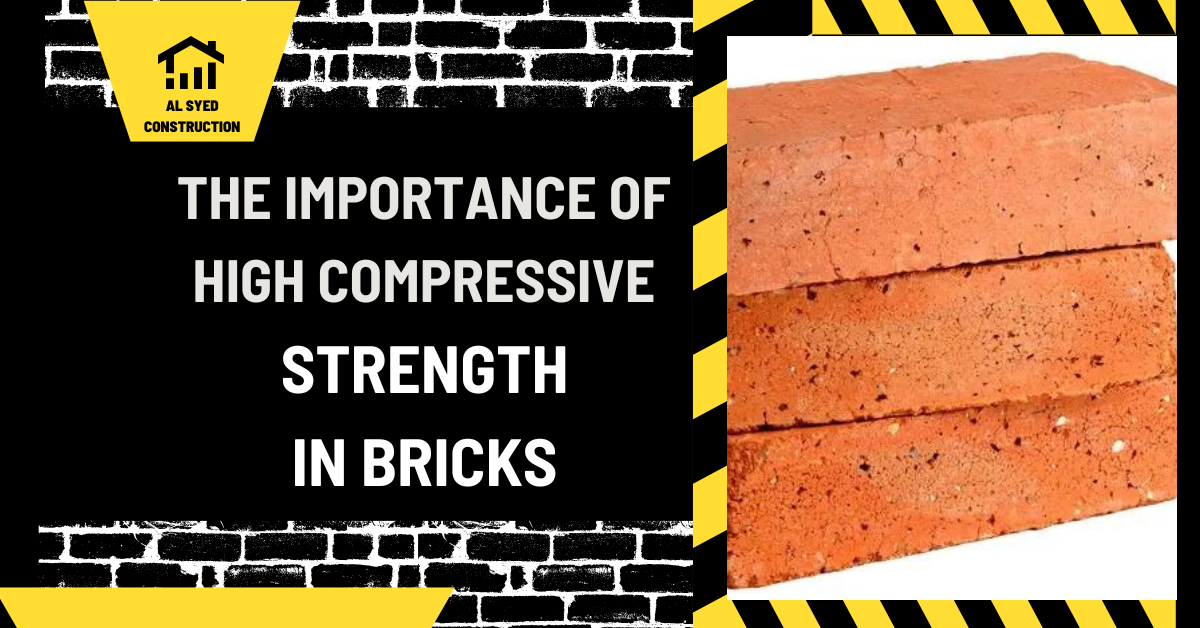
Bricks have been a fundamental building material for centuries, valued for their durability, aesthetic appeal, and structural capabilities. One of the key properties that determine the quality and suitability of bricks for construction is their compressive strength. This article explores why it is crucial for bricks used in building construction to have high compressive strength, highlighting the benefits and implications for structural integrity and longevity.
Understanding Compressive Strength in Bricks
Definition and Measurement
Compressive strength is the capacity of a material to withstand loads that tend to reduce its size. For bricks, it is measured by applying force to the brick until it fails, typically expressed in megapascals (MPa). This value is a critical indicator of the brick’s ability to carry weight and resist crushing.
Factors Influencing Compressive Strength
The compressive strength of bricks can vary depending on several factors, including the type of clay used, the manufacturing process, and the firing temperature. Higher quality materials and precise manufacturing techniques generally result in bricks with higher compressive strength.
The Significance of High Compressive Strength in Bricks
Enhanced Load-Bearing Capacity
Bricks with high compressive strength can support greater loads, making them ideal for use in load-bearing walls and structures where stability and safety are paramount. They ensure that the building can withstand the weight of the roof, floors, and occupants without risk of collapse.
Improved Durability and Longevity
High compressive strength also contributes to the overall durability of bricks. They are less likely to crack or crumble under pressure, resulting in a longer lifespan for the structure. This reduces the need for repairs and maintenance, saving costs in the long run.
Resistance to Environmental Stress
Buildings constructed with high-strength bricks are better equipped to withstand environmental stresses such as heavy rains, winds, and seismic activity. This resilience is particularly important in areas prone to extreme weather conditions or earthquakes.
Considerations for Choosing High-Strength Bricks
Balancing Strength with Other Properties
While high compressive strength is desirable, it is essential to balance this with other properties such as thermal insulation, moisture resistance, and aesthetics. A comprehensive approach ensures that the bricks meet all the necessary criteria for the specific construction project.
Cost Implications
High-strength bricks may come with a higher price tag compared to standard bricks. However, the investment in quality can lead to long-term savings in maintenance and repair costs, as well as enhanced safety and structural integrity.
What Compressive Strength Measures
Compressive strength describes the unit’s ability to resist a crushing force applied under a specified test method. Brick test results are usually reported as force divided by loaded area, but the specimen preparation, orientation, conditioning, and calculation method matter. Follow the standard named in the project documents and compare values measured on the same basis. A manufacturer’s data sheet, a lot-specific test report, and a wall design may report different values for different purposes.
Do not confuse a brick’s individual-unit strength with the compressive strength of a masonry assemblage. The wall’s behavior also depends on mortar, unit dimensions, joint thickness, bond, wall slenderness, reinforcement, grout, support, eccentricity, and workmanship. A high unit value does not automatically mean that a wall can carry a particular roof or floor load. The structural engineer uses the applicable design method and project conditions to determine capacity.
How Bricks Gain and Vary in Strength
Clay brick properties are influenced by the clay body, forming method, drying, kiln temperature, firing duration, and manufacturing control. Concrete masonry units have different ingredients and curing processes, so their strength requirements are not directly interchangeable with fired-clay brick. Production lots can vary within permitted tolerances. A specimen can also fail at a mortar interface or through an irregular loading surface if the test preparation is not correct.
Absorption, saturation, unit geometry, and exposure are separate considerations. A brick suitable for an interior partition may not be approved for severe exterior exposure, ground contact, paving, or a firebox. Ask the supplier for the product designation, standard, durability classification where applicable, dimensions, and test data. Confirm whether the specified strength is a minimum average, individual-unit value, or another stated requirement.
Selection for the Wall System
For a load-bearing wall, use the strength and unit type stated by the engineer. Confirm wall thickness, mortar type, reinforcement, lintel details, bearing, and foundation loads. For veneer, the brick still needs suitable durability and dimensional consistency, but the backup generally carries the building’s main loads. Ties, shelf angles, flashing, and movement joints remain essential regardless of face-brick strength. A facade brick with a high compressive value can still crack if its support deflects or if movement joints are missing.
For a fireplace, chimney, paver, or retaining element, verify the unit is intended for the specific temperature, abrasion, soil, or moisture exposure. Do not use a face brick in a hot face or in ground contact solely because its compressive strength seems high. Product data should explicitly support the application.
Testing, Inspection, and Practical Decisions
Construction specifications may require sampling and testing from deliveries, especially for structural or regulated work. Follow the project quality plan for sample selection, laboratory, conditioning, and reporting. Keep test reports linked to the product lot and compare them with the approved submittal. If results are below the requirement, stop affected work and consult the engineer; do not blend questionable units into the wall to dilute the concern.
Strength is important, but it is one part of a selection decision that also includes durability, absorption, dimensions, appearance, compatibility, and availability. Verify that the entire wall system—not merely the individual brick—meets the intended structural and exposure criteria. The engineer’s design and the current product documentation determine what a test result means for a particular building.
Why a Single Strength Number Can Mislead
Test values need context. A report may give an average for several specimens, an individual result, or a value calculated from a net or gross area using a particular standard. Results from different test methods should not be compared without checking their basis. Units are tested under defined conditioning and loading; field masonry experiences mortar joints, eccentricity, moisture, temperature, and restraint. The engineer applies the appropriate design rules rather than treating a laboratory number as the allowable wall load.
Strength also varies among products and production lots. Review sampling frequency, acceptance criteria, and what action is required if a delivery does not meet the specified minimum. Keep the shipping label and test report linked to the wall location where the units were installed. If test results appear inconsistent with the approved submittal, pause the affected work and request interpretation from the design professional.
Strength Is Not a Substitute for Durability
A brick can have adequate compressive strength yet be unsuitable for a wet, freezing, salty, or high-temperature environment. Exposure classification, absorption, abrasion, efflorescence, and freeze-thaw resistance may also matter. Face brick should be selected for its intended exterior use, while pavers, firebrick, and interior units have different requirements. Ask the manufacturer to identify the product’s approved applications and limitations in writing.
For a veneer, the backup, ties, lintel, shelf support, and flashing still govern important aspects of performance. For structural masonry, reinforcement, bond, wall slenderness, and foundation support are part of the capacity. High unit strength cannot correct a missing connection, unsupported opening, poor drainage, or incompatible mortar. Evaluate the system, not just the headline value.
Questions for the Supplier and Designer
Ask which standard governs the brick, how the reported strength was measured, whether the data represent the production lot, and what exposure category applies. Ask the engineer which value is used in the wall design and what testing is required on site. Confirm that mortar type and joint dimensions match the approved documents. These checks help the project team distinguish a meaningful test requirement from a marketing claim. Brick strength is important when it is measured consistently and interpreted alongside the complete wall design.
How Strength Fits the Structural Design
Engineers combine material properties with wall thickness, unsupported height, openings, bearing, eccentricity, lateral loads, and connection conditions. A brick tested in compression is loaded under a controlled setup, but a real wall may also experience bending from wind, shear near openings, concentrated bearing from a beam, and movement at floor lines. Mortar joint quality and unit orientation affect how forces pass through the wall. This is why a product report cannot be converted directly into a safe load without the design method.
For veneer, unit strength mainly informs durability and the local performance of the facing; the structural backup and ties carry the building’s forces. For structural masonry, confirm the required unit and assemblage values, mortar type, reinforcement, and grout. Where an opening or support is changed, ask the engineer to review the revised load path. Do not use a high-strength brick to justify removing a lintel or reducing wall thickness.
Document the Selected Brick
Keep the approved submittal, test reports, manufacturer, product designation, dimensions, exposure classification, and delivery lot together. If the supplier offers an alternate, compare every property named in the specification and obtain approval before installation. This record makes inspection and future repairs more reliable. A decision based on documented values is more useful than an isolated strength claim.
What to Do When Brick Test Results Differ
When a delivery test does not match the specified result, preserve the records and identify the affected lot and wall location. Do not blend the units into other work or reject them based on an unrelated test method. The engineer, testing laboratory, supplier, and owner should review the sampling, specimen conditioning, calculation basis, and acceptance criteria stated in the contract. The project documents govern whether additional tests, a field evaluation, or replacement is appropriate.
For an existing wall, field testing may require careful planning to avoid damaging the facade. A rebound or surface test is not automatically equivalent to a laboratory compression test. The evaluation should identify the wall system, condition, and loading and use a method appropriate to the material. Keep the original test report and repair history with building records.
Strength and Serviceability
A wall can satisfy a compressive-strength requirement and still have serviceability problems such as cracking, water penetration, or excessive deflection. These conditions may involve support, movement joints, ties, or moisture, not the brick’s crushing resistance. Inspect the whole assembly and trace the load path before specifying a repair. Strength data are most useful when tied to the correct product, design assumption, and construction record.
Related masonry reading: Brick Forge Construction: Materials and Safety and Outdoor Brick Fireplace: Site, Materials and Safety.
Conclusion
The high compressive strength of bricks is a crucial attribute that significantly impacts the performance and longevity of building constructions. It ensures that structures can bear loads safely, resist environmental stresses, and stand the test of time. When selecting bricks for construction, it is essential to consider their compressive strength along with other properties to achieve a balance between durability, functionality, and cost-effectiveness.




Leave a Reply
Want to join the discussion?Feel free to contribute!