
Root In Construction: Meaning
In landscape work, a root is part of a plant system that anchors it and takes up water and nutrients. Roots can extend beyond the visible canopy and are vulnerable to trenching, compaction, grade changes, stockpiles, and altered drainage. This guide explains the role of roots in site planning and how construction teams can identify and protect plants that are meant to remain.
Quick Answer
In a landscape setting, a root is the part of a plant that anchors it and takes up water and nutrients. Construction can damage roots through trenching, compaction, grade changes, or material storage, so identify plants to retain and protect their root areas before work begins.
What to Assess Before Work Begins
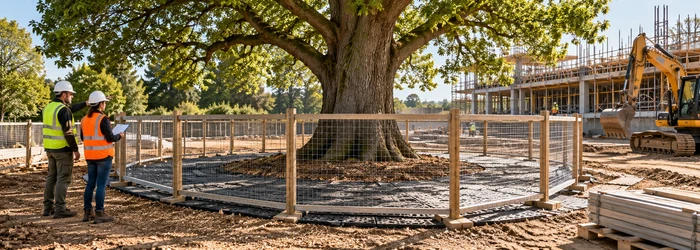
Roots anchor plants, take up water and nutrients, and extend into soil beyond the visible stem or canopy. Construction activities can damage them through trenching, cutting, compaction, grade changes, stockpiles, or changes to surface drainage.
Before landscape work, identify trees and shrubs to retain, mark protection areas, and coordinate utility routes and equipment access. If a root conflict appears, ask the project arborist or designer how to proceed instead of cutting, burying, or exposing roots without review.
Turn the topic into a project checklist
For root in construction, write down the intended result, existing conditions, material or service scope, responsible party, inspection point, and maintenance handoff. This makes quotes easier to compare and helps the team identify assumptions before they become field changes. Keep the decision aligned with current drawings, product information, and local requirements.
Four checks that make the decision more reliable
- Purpose: State what the work must accomplish and how the result will be checked.
- Existing conditions: Record grade, soil, access, utilities, water, existing materials, and features that must remain.
- Interfaces: Identify nearby buildings, paths, drains, planting, property edges, other trades, or users affected by the work.
- Ownership after completion: Assign inspection, watering, cleaning, repairs, recordkeeping, and approval of future changes.
The same product or planting plan can behave differently because of soil, slope, exposure, water, shade, traffic, and workmanship. Treat examples as planning prompts, verify project requirements, and adjust to measured site conditions before deciding quantities or construction details.
Materials, Methods, or Plant Types to Compare
Compare alternatives against the same site information and scope. The options below are starting points for selection, not a substitute for a project detail or product submittal.
- Perennials and grasses: Perennials return for multiple growing seasons and can anchor a bed, while ornamental grasses add texture and winter structure. Compare bloom period, foliage, mature spread, division needs, and whether the plant spreads aggressively. The label and local conditions should guide spacing rather than a generic planting diagram.
- Annuals and seasonal color: Annuals provide one-season color and flexibility for containers or changing displays. They often need more frequent watering and replacement than established perennials. Check expected light, heat tolerance, and watering needs; place plants with similar needs together so care is manageable.
- Shrubs and woody plants: Shrubs provide height, screening, and year-round structure, but their eventual size and pruning habit matter more than the size of the nursery pot. Locate the trunk flare, inspect the root ball, and protect room for roots and branches. Select salt, drought, or wet-soil tolerance only when that condition is actually present.
- Native or regionally adapted choices: Use local origin and adaptation as part of the decision, alongside soil, light, moisture, mature size, and maintenance. Ask whether the species is appropriate for the specific town or habitat, and avoid assuming a plant is harmless because it is sold or described as native.
Planning and Work Sequence
A clear sequence reduces rework because layout, utilities, material delivery, and quality checks are resolved before the work is covered or put into use.
- Map the bed and note sun, slope, drainage, soil condition, foot traffic, existing trees, utilities, and maintenance access. Photograph problem spots after rain and during the brightest part of the day.
- Set a planting objective such as seasonal color, screening, pollinator resources, slope cover, or a low-maintenance foundation bed. Rank the objective before shopping so one plant feature does not dominate every choice.
- Compare plant labels for hardiness, light, water, soil, mature dimensions, and pest or disease concerns. For a regional or native planting, verify the specific species and source rather than relying on a broad label.
- Prepare the area by removing construction debris and addressing compaction or drainage before planting. Do not bury the bed in imported topsoil without checking how the new layer will meet existing grades and handle runoff.
- Set each plant at the depth and spacing recommended for its stock type. Locate the trunk flare on trees and shrubs, loosen circling roots when appropriate, and avoid leaving burlap or wire in a way that constricts the root system.
- Water thoroughly after planting, add suitable mulch without piling it against stems, and record the date and care plan. Check moisture and plant response during establishment instead of watering to a fixed calendar without regard to rain or soil.
Quality Checks, Maintenance, and Long-Term Performance
Establishment is the period when a plant builds roots into the surrounding soil. Water according to the root zone, weather, drainage, and the species’ requirements; a short surface sprinkle can leave the root ball dry even when the mulch looks damp. Recheck after hot or windy periods and after heavy rain, because both drought and waterlogging can cause decline. Keep weeds from competing while roots expand, and replace displaced mulch without covering stems or crowns.
Pruning, dividing, fertilizing, and pest management should respond to the plant and season rather than a blanket schedule. Identify the problem before applying a treatment: yellow leaves may reflect water, root, nutrient, or light stress. Photograph symptoms, examine the soil and recent care, and consult a qualified local resource when identification is uncertain. A maintenance log helps distinguish a one-time stress event from a recurring site mismatch.
Readers use nearby phrases for different reasons: a definition question needs a direct meaning, a planning question needs sequence and dependencies, and a selection query needs comparison criteria. Keep the answer focused on that intent, then explain adjacent decisions only where they help the reader act.
Safety, Environmental, and Approval Considerations
Protect existing roots, underground utilities, and the soil structure during landscape work. Heavy equipment can compact soil beyond the visible work area, so establish access routes and keep stockpiles away from retained planting beds. Near wetlands, shorelines, or protected areas, planting and grading may be subject to local review. Use species and materials appropriate to the site, keep fertilizer and pesticide applications label-directed, and prevent loose soil or wash water from reaching drains or surface waters.
Common Mistakes to Avoid
- Choosing by flower color alone. Verify sun, water, soil, mature size, and winter tolerance before buying.
- Planting too deeply. For trees and shrubs, find the trunk flare and follow sound planting guidance for that stock.
- Overcrowding a bed to make it look finished immediately. Mature dimensions and airflow should shape spacing.
- Applying fertilizer or pesticides automatically. Diagnose the cause and follow product directions and local requirements.
- Assuming a hardiness zone predicts all growing conditions. Microclimates, drainage, summer heat, and exposure still matter.
Frequently Asked Questions
Does a hardiness zone tell me which plants will thrive?
It is one useful cold-tolerance filter, not a complete site recommendation. Compare sunlight, water, soil, exposure, mature size, and local microclimate as well.
How should I start a planting plan after construction?
Check grades, compaction, buried debris, drainage, and retained roots before choosing plants. Correct the site conditions first, then choose plants that fit the finished space.
Are native plants always the best choice?
Native plants can support local ecosystems, but suitability depends on the actual site and species. Choose plants that fit local conditions and avoid invasive species.
When should I change the care plan?
Adjust when observations show a need: soil stays wet, leaves wilt, growth stalls, or pests appear. Check causes before increasing water, fertilizer, or pruning.
Related Guides in Plants, Gardens & Landscaping
Continue with these related topics from the same category: Native Plants In Massachusetts; Massachusetts Native Flowers; Perennial Vs Annual Plants. Use the guide that matches the specific work and confirm current site requirements before acting.
Conclusion
A dependable result for root in construction comes from a clear objective, verified site conditions, a suitable method, and an agreed inspection and maintenance plan. Coordinate affected trades and users before work begins, follow current drawings and product instructions, and record approved changes. When design, water, safety, legal, or financial conditions are uncertain, pause and ask the responsible qualified professional to review them.
Respect differences between properties for root in construction
The same product or planting plan can behave differently because of soil, slope, exposure, water, shade, traffic, and workmanship. Treat examples as planning prompts, verify project requirements, and adjust to measured site conditions before deciding quantities or construction details.
Make the result verifiable for root in construction
Define how the finished work will be checked: line and grade, plant identity and condition, drainage flow, material appearance, record documents, or an agreed maintenance handoff. A clear check makes acceptance less subjective and helps identify a defect while it can still be corrected.
Understanding the exact search intent for root in construction
Readers use nearby phrases for different reasons: a definition question needs a direct meaning, a planning question needs sequence and dependencies, and a selection query needs comparison criteria. Keep the answer focused on that intent, then explain adjacent decisions only where they help the reader act.
Translate the idea into a site decision for root in construction
Before ordering material or choosing a method, write down the existing condition, desired result, constraints, and acceptance check. A small marked sketch, photographs, dimensions, and notes on drainage or access can prevent a broad phrase from becoming an ambiguous field instruction.


Leave a Reply
Want to join the discussion?Feel free to contribute!