
What Is VCT in Construction?
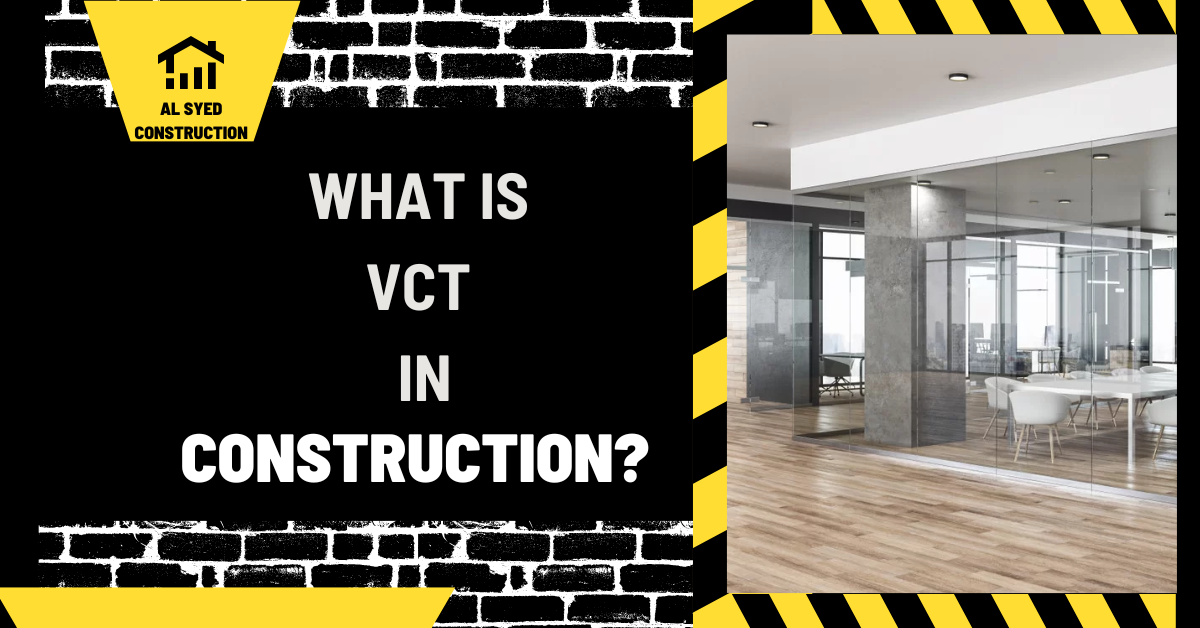
VCT in construction usually means vinyl composition tile, a resilient flooring product made from a blend of vinyl resins, fillers, pigments, and other ingredients. It is commonly installed in schools, retail spaces, healthcare support areas, offices, and other commercial interiors. VCT is supplied as individual tiles and is typically installed with adhesive over a prepared subfloor. It is known for a broad range of colors and patterns and for being repairable tile by tile, but it requires a compatible substrate and regular floor care.
VCT should not be confused with luxury vinyl tile (LVT), sheet vinyl, ceramic tile, or linoleum. These products have different construction, thickness, wear layers, adhesives, maintenance, and installation methods. Product names can overlap in marketing, so read the technical data and installation instructions for the specific material being considered. The term “VCT” describes a category, not a universal performance rating.
What VCT is made for
VCT is designed for interior use in spaces where a hard, resilient surface and a modular layout are useful. Tiles can be arranged in solid colors, checkerboards, borders, or patterns. When one tile is damaged, a flooring professional may be able to remove and replace that area without replacing the whole room, provided spare material is available and the substrate remains sound.
Many VCT systems use a protective finish or polish as part of their maintenance program. The exact finish, cleaning chemistry, buffing, and recoating schedule depend on the product and facility requirements. A school corridor with heavy traffic needs a different maintenance plan than a lightly used office. The initial cost should be compared with the labor, finish materials, and periodic maintenance over the expected service life.
VCT is generally not selected for outdoor exposure or locations that stay wet. Bathrooms, food service areas, and entrances may have specific requirements for moisture, slip resistance, and chemical exposure. Check the product’s approved uses and the designer’s specification. A resilient tile floor does not make a slab or room waterproof.
VCT compared with LVT and sheet vinyl
VCT is a composition tile with a relatively uniform material through its body. LVT is typically made with layered construction and printed or embossed visuals that can imitate wood, stone, or other finishes. Sheet vinyl is manufactured in broad rolls and has fewer seams across a room. Each category has multiple product grades, so comparisons must use technical data rather than broad generalizations.
VCT can be attractive when a facility wants color flexibility and a familiar maintenance system. LVT may be chosen for a more detailed visual or a different wear-layer specification. Sheet vinyl can reduce seams in appropriate rooms but requires careful seam and perimeter planning. The selected product should match traffic, cleaning equipment, moisture conditions, appearance goals, and maintenance capacity.
Do not assume that “vinyl” means one type of adhesive or subfloor preparation. Some products permit direct glue-down over a prepared concrete slab; others need an underlayment or moisture mitigation. A product with an attached backing may have different installation limits. Confirm the material’s format and system before specifying.
Subfloor and moisture preparation
VCT performance depends heavily on the floor beneath it. The substrate should be sound, clean, dry within the product’s limits, smooth, and free of bond-breaking material. Remove loose adhesive, dust, oil, wax, paint, or curing compound only by methods approved for the substrate and existing materials. Old floor installations can contain hazardous substances; do not sand or grind unknown tile or adhesive before assessing it.
Concrete slabs need moisture and alkalinity evaluation as required by the flooring manufacturer. A slab that looks dry at the surface may still transmit moisture. Excess moisture can cause adhesive failure, discoloration, or other damage. Use the test method identified by the product system, and install an approved mitigation system if the results exceed limits. Do not cover an unresolved leak or wet slab with VCT.
Wood subfloors should be structurally sound, sufficiently stiff, and prepared with an approved underlayment where required. Panel joints, fasteners, and surface irregularities can telegraph through a thin tile. Patching and smoothing compounds must be compatible with the adhesive and flooring. The contractor should document the substrate condition and moisture results before installation.
Layout and installation planning
Measure the room and establish centerlines or other control lines so the tile pattern is square to the main sightline. Dry-lay tiles where practical and check perimeter cuts, doorways, columns, and transitions. A balanced layout avoids very narrow pieces at prominent edges. Consider how the pattern will continue through adjacent rooms and where transition strips may be needed.
Use the specified adhesive and trowel notch, and respect the adhesive’s open time and working time. Spread only as much adhesive as can be covered within its instructions. Place tiles into fresh adhesive, align them carefully, and roll the floor with the required roller weight. Do not substitute a general-purpose glue or add extra adhesive. Temperature, humidity, substrate porosity, and airflow affect adhesive behavior.
Keep cartons and tiles from multiple boxes mixed during installation to distribute shade variation. Follow the manufacturer’s instructions for directional arrows and pattern sequence. Clean adhesive from tile faces promptly using an approved method. Protect the installation from traffic until the adhesive has cured.
Maintenance and floor finish
Establish a maintenance plan before the building opens. Daily care may include dry dust mopping and removing grit at entrances. Grit acts like an abrasive and can wear the finish. Wet cleaning should use a cleaner approved for the VCT finish and should not leave residue. Follow dilution and rinse instructions to avoid a dull, sticky surface.
Many facilities periodically strip and reapply floor finish, while others use a different manufacturer-approved process. Stripping chemicals and equipment can damage adjacent materials or create slip hazards if handled poorly. Follow the label, provide ventilation, post wet-floor signs, and keep the area closed until dry. Do not combine cleaning products or use a polish that is not approved for the flooring.
Furniture pads, entrance mats, and appropriate rolling casters can reduce wear. Mats should not trap moisture or discolor the tile. Inspect high-traffic lanes and chair areas; localized repair can prevent larger problems. Keep spare tiles from the original lot when possible because color and pattern can vary between production runs.
VCT repairs and replacement
A single damaged tile can often be replaced, but the repair process depends on the adhesive and substrate. The installer must remove the tile without damaging adjacent pieces or disturbing hazardous legacy flooring. If the tile is old or the adhesive is unknown, assess it before cutting or heating. Never use uncontrolled heat or abrasive tools on material that may contain asbestos.
After removal, inspect the substrate and remove adhesive only as permitted. Patch voids with a compatible compound, allow it to cure, then install a matching tile with the recommended adhesive. Roll the repair and protect it until set. If damage repeats, investigate moisture, point loads, substrate movement, or improper cleaning instead of treating each tile as an isolated issue.
When the product is discontinued, an exact match may not be available. A planned border, transition, or replacement of a defined area can look more intentional than a small mismatched patch. Keep a record of product name, color, size, batch, and supplier.
Estimating VCT quantities and cost
Calculate the net floor area, then account for perimeter cuts, pattern matching, columns, closets, and spare tiles for future repairs. Include adhesive, patching compound, primer if specified, transitions, base, and maintenance finish. A flooring calculator can help estimate square footage, but the installer should adjust the order for the room layout, tile size, and waste factor.
Installed cost includes substrate testing and preparation, flooring, adhesive, labor, cove base or trim, transitions, and commissioning the maintenance program. Removing existing flooring may add labor, disposal, and hazard assessment. Compare bids with the same scope and product performance so the lowest material price does not omit essential preparation.
Common VCT mistakes
Common problems begin with installing over a damp or dirty slab, skipping moisture tests, using the wrong adhesive, spreading too much adhesive at once, failing to roll the floor, and opening the area before cure. A layout that starts without control lines can drift. Inconsistent maintenance products can leave a cloudy film or cause finish failure. Each risk can be reduced by following the actual product system and documenting conditions.
Another mistake is confusing VCT with a waterproof floor. Seams and perimeters can admit water, and the floor assembly may not protect the building below. Use a system designed for the location and maintain drains, transitions, and walls as specified. If a space needs waterproofing, design that layer separately.
Frequently asked questions
Is VCT the same as LVT?
No. They are different resilient flooring categories with different construction and often different installation and maintenance requirements.
Can VCT be installed over old tile?
Only if the existing floor is stable and the VCT manufacturer approves the substrate and preparation. Unknown old materials should be assessed before disturbance.
Does VCT need waxing?
Some systems use floor finish and periodic maintenance, but the required products and process depend on the specific VCT. Follow its maintenance guide.
Is VCT waterproof?
No. It is a resilient floor covering, not a waterproofing system for the room or slab.



Leave a Reply
Want to join the discussion?Feel free to contribute!