
Construction Plant And Equipment
A machine or tool only helps when its task, capacity, condition, attachment, and work area match the job. construction plant and equipment may refer to equipment used for grading, soil preparation, access, lifting, or another construction operation. This guide explains how to identify the machine, prepare the area, plan the sequence, and control risks. Exact operating limits must come from the machine identification, manufacturer information, and site-specific training.
Quick Answer
construction plant and equipment should be understood in relation to the operation it performs and the equipment actually present. Confirm model, attachment, operating instructions, soil or surface condition, utility locations, access, and inspection requirements. Do not infer capacity or safety from a nickname or general article.
What to Assess Before Work Begins
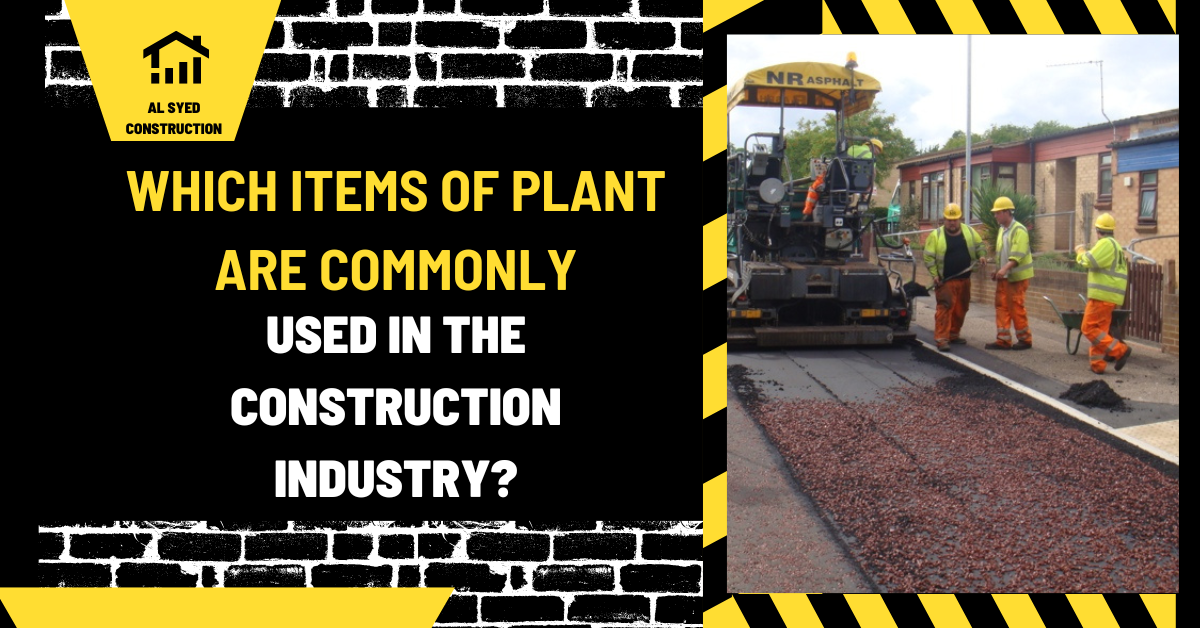
Plant in construction generally means equipment used on a project. The inventory can include machinery, tools, temporary works, and attachments selected for the work plan.
An equipment schedule should show identification, owner, location, inspection, operator, attachment, and maintenance. Verify capacity and suitability using the exact machine instructions.
Turn the topic into a project checklist
For construction plant and equipment, write down the intended result, existing conditions, material or service scope, responsible party, inspection point, and maintenance handoff. This makes quotes easier to compare and helps the team identify assumptions before they become field changes. Keep the decision aligned with current drawings, product information, and local requirements.
Four checks that make the decision more reliable
- Purpose: State what the work must accomplish and how the result will be checked.
- Existing conditions: Record grade, soil, access, utilities, water, existing materials, and features that must remain.
- Interfaces: Identify nearby buildings, paths, drains, planting, property edges, other trades, or users affected by the work.
- Ownership after completion: Assign inspection, watering, cleaning, repairs, recordkeeping, and approval of future changes.
Before ordering material or choosing a method, write down the existing condition, desired result, constraints, and acceptance check. A small marked sketch, photographs, dimensions, and notes on drainage or access can prevent a broad phrase from becoming an ambiguous field instruction.
Materials, Methods, or Plant Types to Compare
Compare alternatives against the same site information and scope. The options below are starting points for selection, not a substitute for a project detail or product submittal.
- Walk-behind or small powered equipment: Compact equipment can access tight spaces but still presents entanglement, kickback, noise, vibration, and control hazards. Inspect guards and use the training and protective equipment required.
- Tractor or mounted implement: A powered unit with a mounted tool can prepare, move, or grade material. Confirm hitch and PTO compatibility, stability, transport position, and operating clearances.
- Excavation and grading machinery: Heavy equipment moves large volumes but requires stable ground, clear communication, safe travel routes, and controls for underground or overhead hazards.
- Rental or subcontracted equipment: Confirm equipment condition, training, delivery, fuel, attachments, insurance, maintenance, and responsibility for damage or downtime before the task starts.
Planning and Work Sequence
A clear sequence reduces rework because layout, utilities, material delivery, and quality checks are resolved before the work is covered or put into use.
- Read the work plan and identify the exact production task, finish condition, material, constraints, and acceptance check.
- Inspect the machine, attachment, guards, fluid leaks, tires or tracks, controls, alarms, and required documentation before use.
- Walk the route and work zone, locate services, check ground and slope, mark pedestrian separation, and remove avoidable obstructions.
- Review operating instructions, communication signals, emergency stop, load or depth limits, and the effect of the attachment with the crew.
- Operate at a controlled pace within the approved conditions. Stop for unusual vibration, loss of traction, hidden obstructions, changed weather, or people entering the work zone.
- Park and secure the unit, clean and inspect the attachment, report defects, and document maintenance or damage before the machine returns to service.
Quality Checks, Maintenance, and Long-Term Performance
Follow the maintenance schedule for the exact equipment, including guards, cutting edges, tines, belts, fasteners, fluids, filters, tires or tracks, safety devices, and attachment pins. Keep service records with the unit and tag out defects that affect safe operation.
After use in soil or landscaping work, remove material that can retain moisture or mask damage. Check for bent components, worn cutting surfaces, clogged guards, and loose fasteners before the next shift. Store attachments so they cannot roll or fall.
The same product or planting plan can behave differently because of soil, slope, exposure, water, shade, traffic, and workmanship. Treat examples as planning prompts, verify project requirements, and adjust to measured site conditions before deciding quantities or construction details.
Safety, Environmental, and Approval Considerations
Powered equipment can cause crushing, entanglement, struck-by, noise, dust, and utility-contact hazards. Follow the manufacturer’s manual, employer training, site plan, and applicable safety rules. Keep hands away from moving parts, shut down before clearing jams, and never bypass guards or interlocks. For unknown surfaces or buried services, stop and obtain proper locating or review.
Common Mistakes to Avoid
- Choosing equipment by name without confirming its model, capacity, attachment, and operating limits.
- Working on soft or sloped ground without checking stability and travel routes.
- Clearing a jam while the power source or moving parts remain engaged.
- Allowing workers or visitors within the machine’s operating zone.
- Skipping inspection after damage, unusual vibration, or attachment changes.
Frequently Asked Questions
What should be checked before operating construction equipment?
Verify machine identity, inspection condition, compatible attachment, instructions, operator training, ground, utilities, hazards, and work-zone controls.
Can an attachment change machine capacity?
Yes. It can change handling, reach, balance, and limits. Use the manufacturer’s information for the exact combination.
When should equipment be taken out of service?
When a defect affects safe operation, a guard is missing, a leak or damage is found, or the machine behaves unexpectedly.
Does a small tool need a work-zone plan?
Yes. Small powered tools still require a suitable work area, training, guards, safe handling, and protection of nearby people.
Related Guides in Plants, Gardens & Landscaping
Continue with these related topics from the same category: Plant In Construction: Meaning And Uses; What Is Landscaping?. Use the guide that matches the specific work and confirm current site requirements before acting.
Conclusion
A dependable result for construction plant and equipment comes from a clear objective, verified site conditions, a suitable method, and an agreed inspection and maintenance plan. Coordinate affected trades and users before work begins, follow current drawings and product instructions, and record approved changes. When design, water, safety, legal, or financial conditions are uncertain, pause and ask the responsible qualified professional to review them.
Translate the idea into a site decision for construction plant and equipment
Before ordering material or choosing a method, write down the existing condition, desired result, constraints, and acceptance check. A small marked sketch, photographs, dimensions, and notes on drainage or access can prevent a broad phrase from becoming an ambiguous field instruction.
Connect design and maintenance for construction plant and equipment
A finish that looks complete on opening day may need watering, cleaning, pruning, surface repair, or seasonal inspection to keep performing. Identify who owns those tasks and what condition should trigger a repair. Include access and replacement materials in the original plan.
Respect differences between properties for construction plant and equipment
The same product or planting plan can behave differently because of soil, slope, exposure, water, shade, traffic, and workmanship. Treat examples as planning prompts, verify project requirements, and adjust to measured site conditions before deciding quantities or construction details.
Make the result verifiable for construction plant and equipment
Define how the finished work will be checked: line and grade, plant identity and condition, drainage flow, material appearance, record documents, or an agreed maintenance handoff. A clear check makes acceptance less subjective and helps identify a defect while it can still be corrected.
Understanding the exact search intent for construction plant and equipment
Readers use nearby phrases for different reasons: a definition question needs a direct meaning, a planning question needs sequence and dependencies, and a selection query needs comparison criteria. Keep the answer focused on that intent, then explain adjacent decisions only where they help the reader act.
Translate the idea into a site decision for construction plant and equipment
Before ordering material or choosing a method, write down the existing condition, desired result, constraints, and acceptance check. A small marked sketch, photographs, dimensions, and notes on drainage or access can prevent a broad phrase from becoming an ambiguous field instruction.
Connect design and maintenance for construction plant and equipment
A finish that looks complete on opening day may need watering, cleaning, pruning, surface repair, or seasonal inspection to keep performing. Identify who owns those tasks and what condition should trigger a repair. Include access and replacement materials in the original plan.
Respect differences between properties for construction plant and equipment
The same product or planting plan can behave differently because of soil, slope, exposure, water, shade, traffic, and workmanship. Treat examples as planning prompts, verify project requirements, and adjust to measured site conditions before deciding quantities or construction details.
Make the result verifiable for construction plant and equipment
Define how the finished work will be checked: line and grade, plant identity and condition, drainage flow, material appearance, record documents, or an agreed maintenance handoff. A clear check makes acceptance less subjective and helps identify a defect while it can still be corrected.
Understanding the exact search intent for construction plant and equipment
Readers use nearby phrases for different reasons: a definition question needs a direct meaning, a planning question needs sequence and dependencies, and a selection query needs comparison criteria. Keep the answer focused on that intent, then explain adjacent decisions only where they help the reader act.


Leave a Reply
Want to join the discussion?Feel free to contribute!