
Why Do Construction Workers Wear Jeans?
Quick answer: Safe construction work starts with task planning and hazard controls, supported by training, supervision, communication, and suitable protective equipment.
This guide to construction workers wear jeans explains the decisions, records, and handoffs that make the subject useful in practice. It is written for owners, contractors, workers, and people exploring construction careers who need a clear explanation and concrete points to verify.
Clothing is not a substitute for hazard controls
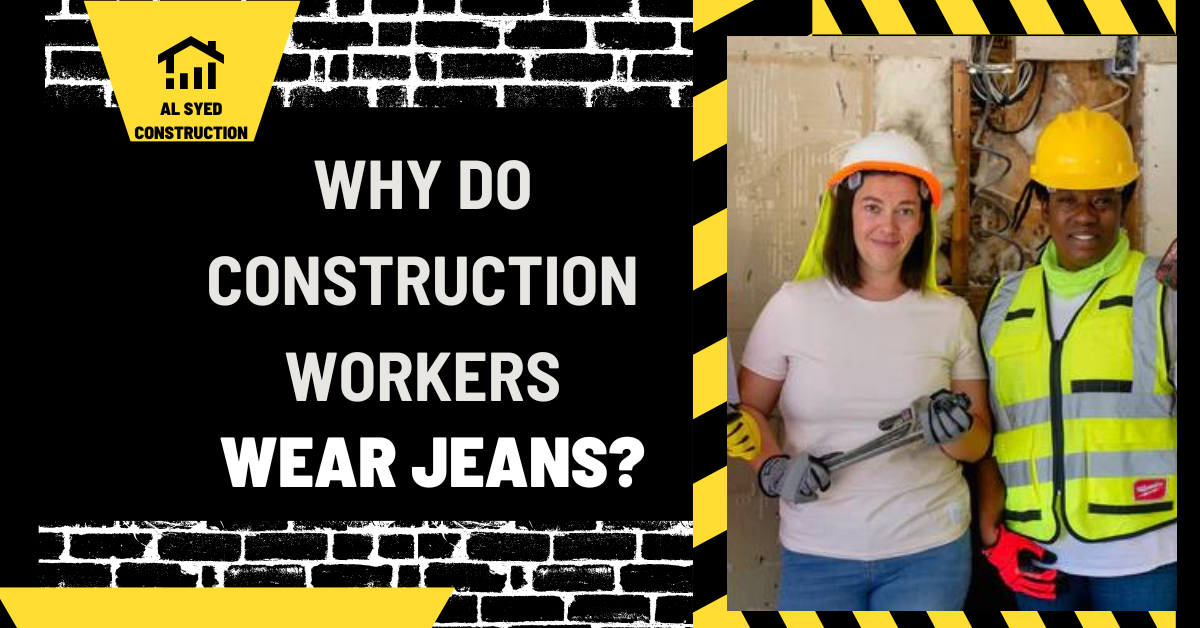
Long sleeves or durable pants may reduce some contact with sun, dust, abrasion, sparks, or rough materials, and workers may prefer them for comfort or company dress requirements. However, ordinary clothing is not automatically flame-resistant, chemical-resistant, high-visibility, or otherwise protective enough for a specific hazard.
Employers should assess the task, select required PPE, check compatibility and fit, and train workers on limitations. Clothing can create snagging or heat-stress concerns in some settings, so follow the hazard assessment and approved work rules.
What Construction Workers Wear Jeans means on a project
Construction safety is a planned system for recognizing hazards, selecting controls, training workers, supervising work, and correcting unsafe conditions. Personal protective equipment supports the system but cannot replace safer planning or engineering controls. Confirm the applicable contract, employer policy, professional standard, and local rules before treating a general explanation as a project-specific instruction. Where a term or figure is ambiguous, record the definition and source being used.
Define the hazard and task
The clearest starting point for construction workers wear jeans is to define exactly what the phrase covers and what it does not cover. Construction safety is a planned system for recognizing hazards, selecting controls, training workers, supervising work, and correcting unsafe conditions. Personal protective equipment supports the system but cannot replace safer planning or engineering controls. That distinction matters for construction workers wear jeans because responsibility, evidence, and acceptable results change with the actual scope. For construction workers wear jeans, write down the assumption being used and connect it to a drawing, estimate, rule, job description, or dated source where possible.
Changing conditions on the site
On a real project, construction workers wear jeans sits among related work rather than operating by itself. Risk changes with task, crew experience, weather, access, equipment, nearby trades, and work phase. A familiar job can become hazardous when the sequence, location, materials, or surrounding activity changes. For example, a residential project, a public contract, and an industrial site may apply different procedures to construction workers wear jeans. The reader should be able to explain how construction workers wear jeans changes a project decision, not merely repeat a phrase from a glossary.
A task-planning sequence
A repeatable process makes construction workers wear jeans easier to understand, estimate, supervise, or explain. Before work, review the task and site conditions, identify hazards, select controls, brief affected workers, inspect equipment, and define stop-work and emergency steps. Reassess whenever conditions or scope change. The best result is one that a field team can follow and a reviewer can later verify from the project record. Use the project’s current requirements to decide which parts of construction workers wear jeans apply; general examples do not replace approved direction.
Break the work into visible steps, give each step an owner, and confirm the handoff before the next activity depends on it. Document orientation, task plans, inspections, training, incidents, near misses, exposure controls, corrective actions, and required medical follow-up. Records should be factual and maintained under the company’s retention and privacy rules. For example, a residential project, a public contract, and an industrial site may apply different procedures to construction workers wear jeans. Where information is incomplete, identify what is known, what remains open, who can resolve it, and when the answer is needed.
Who has safety responsibilities
The practical result of construction workers wear jeans depends on people knowing who provides information and who can make a decision. Employers, competent persons, supervisors, workers, safety staff, and trade partners share responsibilities. Workers should be able to raise concerns without being pressured to continue a task that lacks required controls. That distinction matters for construction workers wear jeans because responsibility, evidence, and acceptable results change with the actual scope. For construction workers wear jeans, write down the assumption being used and connect it to a drawing, estimate, rule, job description, or dated source where possible.
Training and incident records
Reliable decisions about construction workers wear jeans need records that can be traced to the current project and date. Document orientation, task plans, inspections, training, incidents, near misses, exposure controls, corrective actions, and required medical follow-up. Records should be factual and maintained under the company’s retention and privacy rules. For example, a residential project, a public contract, and an industrial site may apply different procedures to construction workers wear jeans. The reader should be able to explain how construction workers wear jeans changes a project decision, not merely repeat a phrase from a glossary.
A useful record identifies the source, revision, responsible person, affected work, and follow-up action; it avoids conclusions that the evidence cannot support. Production pressure, fatigue, poor housekeeping, inadequate communication, and normalization of shortcuts can increase exposure. Clothing or equipment that looks protective is not necessarily suitable for a specific hazard. That distinction matters for construction workers wear jeans because responsibility, evidence, and acceptable results change with the actual scope. A short written check at the right handoff can prevent a small uncertainty about construction workers wear jeans from becoming rework.
Choosing effective controls
The effect of construction workers wear jeans should be tested against the project’s cost, schedule, quality, safety, and operational requirements. Select controls in order: eliminate the hazard where possible, substitute a safer method, use engineering controls, apply administrative controls, and use suitable PPE for residual risk. Confirm fit, compatibility, maintenance, and worker training. The best result is one that a field team can follow and a reviewer can later verify from the project record. Use the project’s current requirements to decide which parts of construction workers wear jeans apply; general examples do not replace approved direction.
Compare alternatives using the same scope and assumptions, and show which trade-off is being accepted instead of hiding it inside a single total. Use applicable OSHA standards, manufacturer instructions, qualified supervision, and state or local requirements. Investigate near misses and recurring symptoms as signals to improve the work system rather than blaming an individual by default. For example, a residential project, a public contract, and an industrial site may apply different procedures to construction workers wear jeans. Where information is incomplete, identify what is known, what remains open, who can resolve it, and when the answer is needed.
Shortcuts and hidden exposure
The most avoidable problems with construction workers wear jeans usually start with an unclear assumption or an incomplete handoff. Production pressure, fatigue, poor housekeeping, inadequate communication, and normalization of shortcuts can increase exposure. Clothing or equipment that looks protective is not necessarily suitable for a specific hazard. That distinction matters for construction workers wear jeans because responsibility, evidence, and acceptable results change with the actual scope. For construction workers wear jeans, write down the assumption being used and connect it to a drawing, estimate, rule, job description, or dated source where possible.
Look for missing scope, stale information, unverified figures, and decisions made outside the responsible person’s authority. Before moving a load or working near an opening, the crew can pause, confirm the route and exclusion zone, check the required protection, assign signals, and verify that everyone understands who can stop the operation. The best result is one that a field team can follow and a reviewer can later verify from the project record. This approach keeps construction workers wear jeans connected to a verifiable project outcome instead of treating it as an isolated search term.
A practical pre-task checklist
A practical quality check for construction workers wear jeans asks whether the requirement, responsible person, evidence, and closeout step are all clear. Use applicable OSHA standards, manufacturer instructions, qualified supervision, and state or local requirements. Investigate near misses and recurring symptoms as signals to improve the work system rather than blaming an individual by default. For example, a residential project, a public contract, and an industrial site may apply different procedures to construction workers wear jeans. The reader should be able to explain how construction workers wear jeans changes a project decision, not merely repeat a phrase from a glossary.
Example: pausing before work changes
Consider a project team dealing with construction workers wear jeans while a schedule, field condition, or customer requirement changes. Before moving a load or working near an opening, the crew can pause, confirm the route and exclusion zone, check the required protection, assign signals, and verify that everyone understands who can stop the operation. The best result is one that a field team can follow and a reviewer can later verify from the project record. Use the project’s current requirements to decide which parts of construction workers wear jeans apply; general examples do not replace approved direction.
Safety knowledge and supervision
People working with construction workers wear jeans benefit from technical knowledge and the ability to explain decisions in plain language. Hazard recognition, communication, task planning, safe tool use, and knowing when to ask for help are core skills. Age, training, and authorization restrictions may apply to particular jobs and equipment. That distinction matters for construction workers wear jeans because responsibility, evidence, and acceptable results change with the actual scope. For construction workers wear jeans, write down the assumption being used and connect it to a drawing, estimate, rule, job description, or dated source where possible.
Learning and improving over time
Long-term value from construction workers wear jeans comes from applying it consistently and reviewing results after the work is complete. A strong safety culture learns from exposure trends and near misses, improves work design, and provides time and authority to correct hazards. Measure leading practices as well as injury outcomes. For example, a residential project, a public contract, and an industrial site may apply different procedures to construction workers wear jeans. The reader should be able to explain how construction workers wear jeans changes a project decision, not merely repeat a phrase from a glossary.
Practical checklist
Before acting on construction workers wear jeans, confirm the exact scope and intended outcome; identify the person authorized to decide; check the latest project document or source; understand the effects on labor, materials, schedule, safety, and payment; and keep a dated record of the decision. If the work is regulated or contract-sensitive, check the current state and local requirements and ask a qualified professional for advice specific to the project.
| Control step | Example action |
|---|---|
| Plan | Identify task hazards and changing site conditions |
| Protect | Select controls before relying on PPE |
| Brief | Confirm roles, signals, access, and stop-work authority |
| Review | Inspect, report, and correct changed conditions |
Frequently asked questions
What does construction workers wear jeans mean in construction?
It refers to the construction-specific concept described above. The exact meaning depends on the trade, project document, employer, and jurisdiction, so confirm context before relying on a general definition.
Why does construction workers wear jeans matter on a project?
It can affect scope, coordination, cost, schedule, safety, or career decisions. Clear definitions and responsibilities help the team apply it consistently and keep evidence of what was agreed.
What should I check first about construction workers wear jeans?
Start with current drawings, specifications, contract terms, job description, training rules, or dated public data—whichever controls the question. Identify the source and ask the responsible professional to resolve gaps.
Does one rule or number for construction workers wear jeans apply everywhere?
Usually not. State and local requirements, project type, trade, experience, accounting method, and contract language can change the answer. Use current local sources for decisions that affect compliance, pay, or pricing.
Related Articles
- Why Do Construction Workers Sometimes Take Risks?
- Long Sleeves for Construction Workers: A Safety Perspective
- What Age Can You Work in Construction?
Conclusion
A useful approach to construction workers wear jeans combines a clear definition, responsible ownership, current information, and a record that explains the decision. Apply the guidance to the actual project, confirm any jurisdiction-specific requirement, and revisit assumptions when the scope or conditions change.





Leave a Reply
Want to join the discussion?Feel free to contribute!