
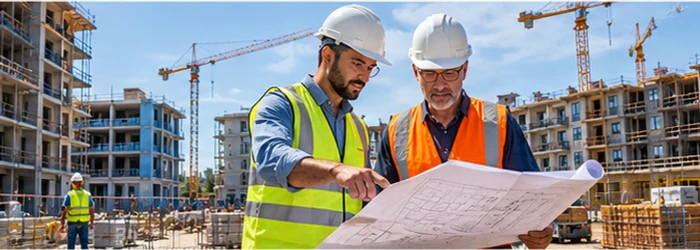
Apartment Complex Builder In Construction: Key
Overview
Apartment Complex Builder In Construction: Key should be understood through its purpose, project setting, controlling documents, and the work it affects. This guide connects the topic to planning, design or scope decisions, coordination, construction checks, and handover rather than treating a label or estimate as a complete answer.
Use the source article's topic details with current project information. Local approvals, safety requirements, engineering decisions, and financial or legal treatment depend on the facts and responsible authority.
Building an apartment complex is a large-scale undertaking that requires expertise, precision, and coordination. At the heart of this intricate process is the apartment complex builder—a construction professional or firm responsible for bringing multi-unit residential projects to life. From site preparation and infrastructure to framing, finishes, and compliance, the builder’s role is central to delivering a project that’s safe, functional, and profitable.
This article explores what an apartment complex builder does, how they operate, and why their role is critical in modern residential construction.
Who Is an Apartment Complex Builder?
An apartment complex builder is a general contractor or construction firm specializing in the construction of multi-family residential buildings. These projects can range from low-rise developments to high-rise urban towers and require the builder to oversee every phase—from pre-construction planning to final handover.
They work closely with:
- Developers
- Architects and engineers
- Project managers
- Subcontractors and labor teams
- Local government and inspectors
Builders ensure that projects are completed on time, within budget, and in full compliance with building codes and safety regulations.
Responsibilities of an Apartment Complex Builder
An apartment complex builder handles numerous duties across multiple project phases:
1. Pre-Construction
- Reviewing architectural plans and engineering documents
- Estimating costs and preparing budgets
- Acquiring permits and regulatory approvals
- Hiring subcontractors and sourcing materials
2. Construction Execution
- Site grading and utility installation
- Foundation work and framing
- Installing plumbing, electrical, HVAC systems
- Managing crews and work schedules
- Overseeing safety compliance
3. Project Management
- Monitoring progress and milestones
- Addressing change orders or design adjustments
- Coordinating deliveries and inspections
- Maintaining communication with stakeholders
4. Finalization and Handover
- Interior finishes, landscaping, and clean-up
- Ensuring all systems are operational
- Conducting quality checks and walkthroughs
- Turning over keys to the developer or property manager
Qualities of a Skilled Apartment Complex Builder
A reputable apartment complex builder should possess:
- Extensive industry experience
- Proven project portfolio
- Strong leadership and management skills
- Excellent knowledge of building codes and permits
- Ability to scale resources for large projects
- Commitment to safety and quality control
- Familiarity with sustainability practices and green construction
Construction Phases in an Apartment Complex Project
- Site Selection and Preparation
Clearing land, grading, utility installation - Foundation and Framing
Laying concrete foundation, constructing the structural framework - MEP Systems Installation
Mechanical (HVAC), Electrical, and Plumbing systems integrated - Exterior Work
Roofing, siding, windows, doors - Interior Construction
Drywall, painting, flooring, cabinets, and appliance installation - Landscaping and Amenities
Driveways, walkways, green spaces, playgrounds, and parking lots - Inspections and Occupancy
Code enforcement inspections, fire safety, and occupancy certification
Types of Apartment Complexes Builders Construct
TypeDescriptionGarden ApartmentsLow-rise units with open green spaces, common in suburban areas.Mid-Rise Apartments4–7 story buildings, often with elevators and shared amenities.High-Rise Apartment TowersTall buildings with 8+ stories, complex infrastructure and vertical transport.Luxury ComplexesHigh-end finishes, smart features, gyms, and lounges.Affordable Housing ProjectsBuilt under government or nonprofit programs to meet low-income needs.Student Housing ComplexesPurpose-built accommodations near universities.
Importance of Choosing the Right Builder
Hiring the right apartment complex builder is essential to avoid delays, cost overruns, legal issues, or safety risks. A skilled builder ensures:
- Smooth coordination among trades and professionals
- Efficient use of labor and materials
- Adherence to timeline and budget
- Minimized rework and waste
- Reliable warranty and post-construction service
Key Challenges Faced by Apartment Complex Builders
1. Regulatory Hurdles
Navigating zoning laws, permits, environmental impact assessments, and building codes.
2. Supply Chain Disruptions
Material delays or price fluctuations can impact schedules and costs.
3. Labor Shortages
Qualified skilled labor shortages may affect construction quality or timelines.
4. Weather Conditions
Weather can slow or halt site work, particularly during foundation and framing.
5. Budget Management
Controlling costs and adapting to client changes without compromising quality.
Apartment Complex Builder vs General Home Builder
AspectApartment Complex BuilderGeneral Home BuilderScaleHandles large-scale, multi-unit buildingsTypically builds single-family homesCoordinationManages many trades and subcontractorsFewer teams involvedComplexityMore complex infrastructure and safety systemsSimpler systemsTimeframeProjects can take 12–36 monthsHome builds often take 6–12 monthsRegulationsMore rigorous zoning, fire, accessibility codesStandard residential codes
Sustainable Construction Practices
Leading apartment complex builders now incorporate sustainable practices:
- Use of low-VOC materials
- Recycling construction waste
- Energy-efficient HVAC and lighting systems
- Water-saving fixtures
- Green roofs or solar panels
- LEED-certified building standards
These efforts reduce environmental impact and often qualify for tax credits or incentives.
Technology in Apartment Complex Construction
Modern builders use digital tools to enhance efficiency and accuracy:
- Building Information Modeling (BIM) for 3D project visualization
- Drones for site surveys and progress tracking
- Project management software for scheduling and communication
- Prefabrication and modular elements to reduce on-site work and costs
These technologies allow apartment complex builders to streamline operations, improve safety, and boost profitability.
Conclusion
An apartment complex builder plays a pivotal role in shaping urban and suburban living environments. As multi-family housing demand continues to rise, especially in growing cities, experienced and reliable builders are more essential than ever.
Whether developing affordable housing, student dorms, or luxury condos, apartment complex builders bring together design, engineering, and execution to create functional, attractive, and sustainable living spaces. Choosing the right builder ensures that the project meets expectations—on time, on budget, and built to last.
FAQs About Apartment Complex Builders in Construction
Q1: What does an apartment complex builder do?
A: They manage the construction of multi-unit residential buildings, from planning and permitting to construction and final delivery.
Q2: How long does it take to build an apartment complex?
A: Depending on the size and complexity, it can take anywhere from 12 to 36 months.
Q3: What should I look for when hiring an apartment complex builder?
A: Look for experience, licensing, past project portfolio, references, financial stability, and knowledge of local regulations.
Q4: Do apartment builders handle permits and zoning?
A: Yes, reputable builders assist with or fully manage zoning approvals and building permits.
Q5: What is the difference between an apartment builder and a home builder?
A: Apartment builders focus on large-scale, multi-unit structures while home builders typically work on single-family homes.
Q6: Are apartment complex builders involved in design?
A: While architects handle primary design, builders often collaborate to ensure constructability and cost-effectiveness.
Q7: Do builders work on both affordable and luxury apartment projects?
A: Yes, many builders are capable of handling both types, depending on their experience and specialization.
Q8: How are apartment builders paid?
A: They typically work under contract and are paid in phases based on project milestones or a percentage of the total cost.
Q9: Can apartment complexes be built using modular construction?
A: Absolutely. Many modern builders incorporate modular or prefabricated techniques to speed up construction.
Q10: What challenges do apartment builders face?
A: Key challenges include regulatory delays, labor shortages, supply chain issues, and managing complex logistics on large sites.
Scope and meaning
A commercial or institutional building begins with the activities it must support. For apartment complex builder in construction: key, define users, operating hours, equipment, deliveries, peak occupancy, security, storage, and future change. Distinguish base building, shell-and-core, tenant fit-out, owner equipment, and site work. A leasing plan may not show construction scope; assign each package.
Planning inputs to confirm
Map the program to site, circulation, servicing, and operations. Confirm how people, deliveries, waste, responders, maintenance staff, and equipment reach the building. Check the review path with responsible professionals; classifications and requirements depend on location and use. Consider accessible routes, egress, fire protection, structure, utilities, and loading early.
Design choices and trade-offs
Coordinate structure, enclosure, utilities, life-safety systems, and maintenance. Evaluate clear heights, spans, equipment rooms, risers, façade performance, acoustics, and expansion. For multiple tenants, define shared areas, metering, access, and maintenance responsibilities. Specialized equipment must fit and remain serviceable before the layout is fixed.
A practical project sequence
Plan from program and site verification through coordinated design, authority review, procurement, enabling work, structure, enclosure, rough-in, fit-out, testing, and occupancy readiness. Coordinate long-lead equipment and utility approvals. Include inspection hold points and commissioning. Phased occupancy needs temporary access, fire strategy, utilities, and unfinished-area responsibility.
Coordination and responsibilities
Use an interface matrix for architecture, structure, civil, mechanical, electrical, plumbing, fire, security, IT, lifts, and tenant scope. Identify who provides sleeves, supports, fire stopping, controls, meters, tests, training, and access. Review cost and schedule changes against operations and tenant obligations.
Cost and schedule considerations
Separate shell, landlord work, tenant improvements, owner equipment, external work, design, testing, commissioning, fees, and contingency. Compare bids on identical scope. A low base price may shift costs to fit-out or operations. Track changes by location and package, including lead time, access, testing, energy, and maintenance.
Quality checks
Define acceptance evidence before installation: approved submittals, samples, mock-ups, inspections, functional tests, balancing, controls, commissioning, and training as applicable. Follow approved documents and authority requirements. Before opening, confirm approvals, safe access, tested systems, warranties, record drawings, and responsible operators.
Risk and long-term use
Plan equipment replacement routes, roof access, shutoffs, meters, cleanouts, waste, spare parts, and service contracts. Deliver operating sequences, warranties, as-builts, approvals, and maintenance schedules. Clarify who operates shared services and how future tenant changes are reviewed.
Topic-specific questions
The source outline surfaces points to verify against current project information:
- Who Is an Apartment Complex Builder?. Check the exact location, source revision, reviewer, and whether the point is a definition, design intent, measurement, requirement, or example. Record the answer before procurement or installation if it changes scope, sequence, or acceptance.
- Responsibilities of an Apartment Complex Builder. Check the exact location, source revision, reviewer, and whether the point is a definition, design intent, measurement, requirement, or example. Record the answer before procurement or installation if it changes scope, sequence, or acceptance.
- Pre-Construction. Check the exact location, source revision, reviewer, and whether the point is a definition, design intent, measurement, requirement, or example. Record the answer before procurement or installation if it changes scope, sequence, or acceptance.
Project checklist
Before committing to a decision about apartment complex builder in construction: key, work through these checks:
- Record location, purpose, project phase, date, and controlling revision.
- Separate verified conditions from assumptions, open questions, allowances, and exclusions.
- Confirm scope, measurement, product or system, interfaces, access, and responsibility.
- Agree who reviews the work, which evidence is required, and when inspection must occur.
- Document approved changes with location, cost or schedule effect, owner, date, and closure.
- Keep tests, photographs, record information, warranties, and maintenance instructions for handover.
Common mistakes to avoid
Do not rely on a broad label, old drawing, generic figure, or verbal field decision when the actual scope can be checked. Confirm the basis, location, version, and reviewer before work is committed. When evidence is incomplete, mark the conclusion provisional and name the next action instead of presenting an assumption as fact.
Frequently asked questions
What must a commercial brief define?
Uses, users, hours, peak occupancy, equipment, deliveries, servicing, security, and future change.
Does the same layout work everywhere?
No. Site, use, authority requirements, utilities, access, operations, and local rules affect design.
How do shell and fit-out differ?
The contract defines the boundary; a scope matrix should identify base building, tenant work, equipment, utilities, and testing.
When should commissioning be planned?
During design and scheduling, with systems, tests, owners, records, and training defined.
What is needed before occupancy?
Required approvals, safe access, tested systems, operating instructions, training, warranties, record information, and closeout.
Related Building Design resources
Continue with 20 Unit Apartment Building in Construction, Are Commercial Construction Bids Higher Than Residential?, Are Townhomes Residential or Commercial Construction?. Apply each resource only to its scope and verify project decisions against approved records.
Conclusion
A reliable result for apartment complex builder in construction: key comes from clear scope, current evidence, coordinated decisions, and documented checks. Obtain qualified review where safety or compliance is involved, and keep the approved record available for construction and future maintenance.



Leave a Reply
Want to join the discussion?Feel free to contribute!