
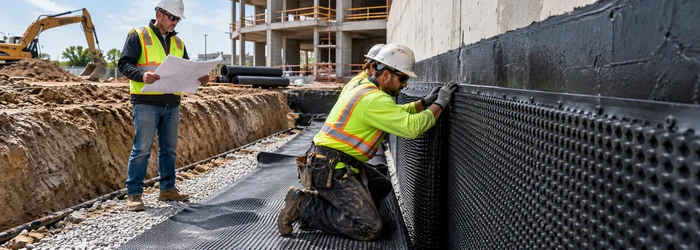
Waterproofing Scope Do In Commercial
Overview
Waterproofing Scope Do In Commercial should be understood through its purpose, project setting, controlling documents, and the work it affects. This guide connects the topic to planning, design or scope decisions, coordination, construction checks, and handover rather than treating a label or estimate as a complete answer.
Use the source article's topic details with current project information. Local approvals, safety requirements, engineering decisions, and financial or legal treatment depend on the facts and responsible authority.
In commercial construction, the waterproofing scope is a critical element that ensures the durability and integrity of structures by preventing water ingress. Effective waterproofing is essential in maintaining the longevity of commercial buildings, protecting them from water damage, and ensuring compliance with building codes and standards. This comprehensive guide explores the intricacies of waterproofing scope in commercial construction, detailing its components, processes, and importance.
- Understanding the Waterproofing Scope in Commercial Construction
- 1. Objectives of Waterproofing
- 2. Components of Waterproofing Scope
- Types of Waterproofing Systems
- **1. Membrane Waterproofing
- **2. Liquid-Applied Waterproofing
- **3. Cementitious Waterproofing
- Waterproofing Application Techniques
- **1. Surface Preparation
- **2. Application of Waterproofing Materials
- **3. Curing and Inspection
- Importance of Waterproofing in Commercial Construction
- **1. Preventing Structural Damage
- **2. Protecting Building Interiors
- **3. Ensuring Compliance
- Challenges and Solutions in Waterproofing
- **1. Complex Building Designs
- **2. Environmental Conditions
- **3. Maintenance and Upkeep
- Conclusion
Understanding the Waterproofing Scope in Commercial Construction
The waterproofing scope encompasses all activities and materials involved in preventing water from penetrating a building's structure. This scope is crucial in safeguarding both new and existing buildings from moisture-related issues that can lead to severe structural and financial consequences.
1. Objectives of Waterproofing
The primary objectives of waterproofing in commercial construction include:
- Preventing Water Damage: Protecting structures from water infiltration that can cause damage to building materials and interiors.
- Enhancing Durability: Increasing the longevity of building components by shielding them from moisture.
- Improving Structural Integrity: Ensuring that the structural elements of a building remain strong and stable over time.
2. Components of Waterproofing Scope
The waterproofing scope typically includes several key components:
- Site Assessment and Preparation: Conducting thorough assessments to identify potential water entry points and preparing the site for waterproofing treatments.
- Material Selection: Choosing appropriate waterproofing materials, such as membranes, sealants, and coatings, based on the building’s specific needs and environmental conditions.
- Application Methods: Implementing various waterproofing methods, including liquid-applied membranes, sheet membranes, and cementitious coatings, to effectively protect different parts of the structure.
Types of Waterproofing Systems
Different types of waterproofing systems are used depending on the specific requirements of the building and its environment. Here are some common systems:
**1. Membrane Waterproofing
Membrane waterproofing systems are applied as sheets or rolls and provide a continuous barrier against water infiltration. Key types include:
- Bituminous Membranes: Often used for roofing and below-grade applications, these membranes are made from bitumen and reinforced with polyester or fiberglass.
- PVC Membranes: Polyvinyl chloride (PVC) membranes are flexible and resistant to chemicals, making them suitable for a variety of applications.
**2. Liquid-Applied Waterproofing
Liquid-applied waterproofing involves applying a liquid coating that cures to form a flexible, seamless membrane. This system is ideal for complex details and irregular surfaces. Types include:
- Polyurethane Coatings: Known for their durability and flexibility, these coatings are often used in areas with high foot traffic or movement.
- Acrylic Coatings: Acrylic coatings are versatile and can be used in various applications, including roofs and walls.
**3. Cementitious Waterproofing
Cementitious waterproofing is a type of coating that uses cement-based products to create a waterproof barrier. This system is particularly effective for:
- Basements: Providing protection against water ingress in below-grade applications.
- Water Tanks and Pools: Ensuring that structures exposed to constant water contact remain watertight.
Waterproofing Application Techniques
Proper application techniques are essential for achieving effective waterproofing. Key techniques include:
**1. Surface Preparation
Preparing the surface before applying waterproofing materials involves:
- Cleaning: Removing debris, dirt, and old coatings to ensure a clean substrate.
- Repairing Cracks: Filling and repairing any cracks or imperfections to prevent water infiltration.
**2. Application of Waterproofing Materials
Applying waterproofing materials involves:
- Layering: Applying multiple layers of waterproofing material to create a robust barrier.
- Seam Treatment: Ensuring that seams and joints are properly sealed to prevent leaks.
**3. Curing and Inspection
After application, the waterproofing system must be:
- Cured: Allowing sufficient time for the materials to cure and achieve optimal performance.
- Inspected: Conducting thorough inspections to verify that the system is applied correctly and is functioning as intended.
Importance of Waterproofing in Commercial Construction
The importance of waterproofing in commercial construction cannot be overstated. Here’s why:
**1. Preventing Structural Damage
Water ingress can cause significant damage to a building’s structure, leading to costly repairs and maintenance. Effective waterproofing helps prevent such issues, preserving the building’s structural integrity.
**2. Protecting Building Interiors
Water damage can affect building interiors, including walls, floors, and fixtures. By implementing a robust waterproofing system, commercial properties can avoid damage to valuable interior finishes and furnishings.
**3. Ensuring Compliance
Adhering to building codes and standards is essential in commercial construction. Waterproofing helps meet these requirements, ensuring that the building complies with regulations and industry best practices.
Challenges and Solutions in Waterproofing
While waterproofing is crucial, it can present challenges. Common challenges include:
**1. Complex Building Designs
Complex building designs with multiple transitions and joints can make waterproofing more challenging. To address this, custom solutions and expert application techniques are often required.
**2. Environmental Conditions
Harsh environmental conditions, such as extreme temperatures and high humidity, can impact the effectiveness of waterproofing systems. Selecting materials suited to the local climate and ensuring proper application can mitigate these issues.
**3. Maintenance and Upkeep
Regular maintenance and inspections are necessary to ensure that waterproofing systems continue to perform effectively over time. Implementing a maintenance plan can help address potential issues before they become significant problems.
Conclusion
The waterproofing scope in commercial construction is a critical aspect of ensuring the longevity and functionality of buildings. By understanding the objectives, components, and various types of waterproofing systems, commercial builders can effectively protect their structures from water damage. Employing proper application techniques and addressing common challenges will contribute to successful waterproofing outcomes, safeguarding both the building’s integrity and its occupants.
Scope and meaning
A commercial or institutional building begins with the activities it must support. For waterproofing scope do in commercial, define users, operating hours, equipment, deliveries, peak occupancy, security, storage, and future change. Distinguish base building, shell-and-core, tenant fit-out, owner equipment, and site work. A leasing plan may not show construction scope; assign each package.
Planning inputs to confirm
Map the program to site, circulation, servicing, and operations. Confirm how people, deliveries, waste, responders, maintenance staff, and equipment reach the building. Check the review path with responsible professionals; classifications and requirements depend on location and use. Consider accessible routes, egress, fire protection, structure, utilities, and loading early.
Design choices and trade-offs
Coordinate structure, enclosure, utilities, life-safety systems, and maintenance. Evaluate clear heights, spans, equipment rooms, risers, façade performance, acoustics, and expansion. For multiple tenants, define shared areas, metering, access, and maintenance responsibilities. Specialized equipment must fit and remain serviceable before the layout is fixed.
A practical project sequence
Plan from program and site verification through coordinated design, authority review, procurement, enabling work, structure, enclosure, rough-in, fit-out, testing, and occupancy readiness. Coordinate long-lead equipment and utility approvals. Include inspection hold points and commissioning. Phased occupancy needs temporary access, fire strategy, utilities, and unfinished-area responsibility.
Coordination and responsibilities
Use an interface matrix for architecture, structure, civil, mechanical, electrical, plumbing, fire, security, IT, lifts, and tenant scope. Identify who provides sleeves, supports, fire stopping, controls, meters, tests, training, and access. Review cost and schedule changes against operations and tenant obligations.
Cost and schedule considerations
Separate shell, landlord work, tenant improvements, owner equipment, external work, design, testing, commissioning, fees, and contingency. Compare bids on identical scope. A low base price may shift costs to fit-out or operations. Track changes by location and package, including lead time, access, testing, energy, and maintenance.
Quality checks
Define acceptance evidence before installation: approved submittals, samples, mock-ups, inspections, functional tests, balancing, controls, commissioning, and training as applicable. Follow approved documents and authority requirements. Before opening, confirm approvals, safe access, tested systems, warranties, record drawings, and responsible operators.
Risk and long-term use
Plan equipment replacement routes, roof access, shutoffs, meters, cleanouts, waste, spare parts, and service contracts. Deliver operating sequences, warranties, as-builts, approvals, and maintenance schedules. Clarify who operates shared services and how future tenant changes are reviewed.
Topic-specific questions
The source outline surfaces points to verify against current project information:
- Understanding the Waterproofing Scope in Commercial Construction. Check the exact location, source revision, reviewer, and whether the point is a definition, design intent, measurement, requirement, or example. Record the answer before procurement or installation if it changes scope, sequence, or acceptance.
- Objectives of Waterproofing. Check the exact location, source revision, reviewer, and whether the point is a definition, design intent, measurement, requirement, or example. Record the answer before procurement or installation if it changes scope, sequence, or acceptance.
- Components of Waterproofing Scope. Check the exact location, source revision, reviewer, and whether the point is a definition, design intent, measurement, requirement, or example. Record the answer before procurement or installation if it changes scope, sequence, or acceptance.
Project checklist
Before committing to a decision about waterproofing scope do in commercial, work through these checks:
- Record location, purpose, project phase, date, and controlling revision.
- Separate verified conditions from assumptions, open questions, allowances, and exclusions.
- Confirm scope, measurement, product or system, interfaces, access, and responsibility.
- Agree who reviews the work, which evidence is required, and when inspection must occur.
- Document approved changes with location, cost or schedule effect, owner, date, and closure.
- Keep tests, photographs, record information, warranties, and maintenance instructions for handover.
Common mistakes to avoid
Do not rely on a broad label, old drawing, generic figure, or verbal field decision when the actual scope can be checked. Confirm the basis, location, version, and reviewer before work is committed. When evidence is incomplete, mark the conclusion provisional and name the next action instead of presenting an assumption as fact.
Frequently asked questions
What must a commercial brief define?
Uses, users, hours, peak occupancy, equipment, deliveries, servicing, security, and future change.
Does the same layout work everywhere?
No. Site, use, authority requirements, utilities, access, operations, and local rules affect design.
How do shell and fit-out differ?
The contract defines the boundary; a scope matrix should identify base building, tenant work, equipment, utilities, and testing.
When should commissioning be planned?
During design and scheduling, with systems, tests, owners, records, and training defined.
What is needed before occupancy?
Required approvals, safe access, tested systems, operating instructions, training, warranties, record information, and closeout.
Related Building Design resources
Continue with Commercial Construction Require A Separate, Does Lead-Safe Apply to Commercial Construction?, Does New Commercial Construction Require Sidewalks?. Apply each resource only to its scope and verify project decisions against approved records.
Conclusion
A reliable result for waterproofing scope do in commercial comes from clear scope, current evidence, coordinated decisions, and documented checks. Obtain qualified review where safety or compliance is involved, and keep the approved record available for construction and future maintenance.



Leave a Reply
Want to join the discussion?Feel free to contribute!