
New Construction Appraisal: How Long It Takes
New Construction Appraisal: How Long It Takes: what to check
This guide explains how long new construction appraisal takes for owners, buyers, developers, tenants, and construction teams who need a practical starting point. The answer depends on property facts, project documents, and local requirements, so the discussion separates general planning from decisions that require parcel-specific or contract-specific review.
The useful question is not only what how long new construction appraisal takes means, but how it affects the next decision. Identify the property, intended use, measurement or contract involved, decision date, and person responsible for approval. Then verify the inputs before committing money, scheduling work, or relying on a legal or financial outcome.
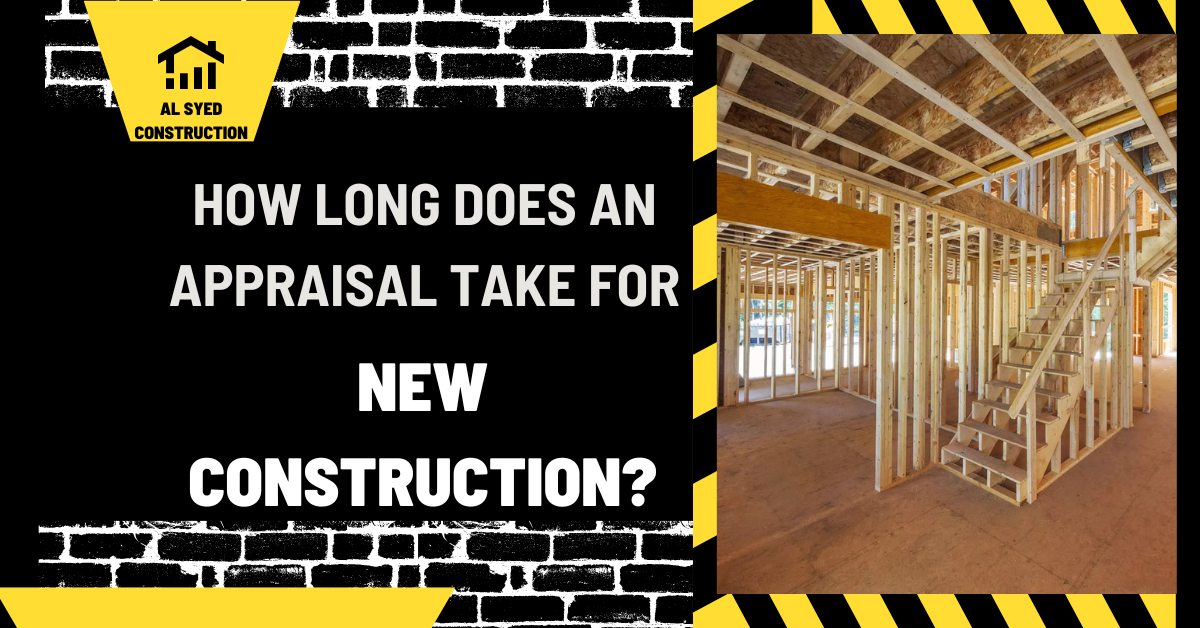
There is no guaranteed number of days for a new-construction appraisal. Timing depends on lender order processing, appraiser availability, access, plans and specifications, comparable evidence, construction status, revisions, and any completion verification. Ask the lender for milestone dates and respond quickly to document requests.
Key project considerations
Follow the signed contract, not a generic timeline
A new-construction transaction may include a reservation, purchase agreement, financing milestones, inspections, appraisal, selections, completion notices, walk-through, and closing. The contract and lender's instructions set the controlling dates and conditions. Builder schedules can change with permits, materials, weather, labor, and inspections. Keep a single calendar of contractual deadlines and confirm any change in writing rather than relying on a marketing estimate.
Know what each deposit or payment does
An earnest-money deposit is handled under the purchase agreement and escrow instructions. A construction deposit, option fee, upgrade payment, or design-selection charge may be governed by a different clause. Identify the recipient, custody, credit at closing, refund conditions, deadlines, and dispute procedure for each payment. Do not assume a payment is refundable or forfeited without reading the exact agreement and applicable state rules.
Treat appraisal and inspection as different reviews
An appraisal estimates market value for a defined lending purpose using the assignment scope and available comparable evidence. A home inspection evaluates visible condition within the inspector's scope. Neither substitutes for the other. For incomplete construction, plans, specifications, completion evidence, and later verification may matter. Ask the lender and appraiser what materials and inspection steps are required for the loan rather than treating one visit as universal.
Compare builder documents with the property delivered
The contract, plan set, options list, allowance sheet, change orders, warranty, and final walk-through record should describe a consistent home. Keep approved revisions and selection receipts. At handover, note incomplete items, agreed corrective work, access devices, and instructions. A dated record makes it easier to distinguish a contract change from a construction defect or an ordinary maintenance item.
Review the final numbers before signing
Closing costs can include lender charges, title and settlement services, prepaid taxes or insurance, builder credits, prorations, and other contract-specific items. Compare the final disclosure with earlier estimates and ask the closing professional to explain unfamiliar differences. Confirm how deposits, approved credits, and broker compensation are reflected. The final statement should reconcile to the signed agreement and the verified flow of funds.
Make representation and compensation explicit
Real-estate broker compensation is a negotiated agreement, not a universal percentage. The parties should identify the services, amount or method, payer, timing, and any limits in the written agreement required for their situation. A builder may have registration procedures for an agent, and missing a stated deadline can affect eligibility for a payment. Read the builder's policy before the first visit and preserve written confirmation.
Keep an organized closing file
Store the signed contract, addenda, inspection and appraisal records, lender conditions, title documents, deposits, change orders, warranties, and closing disclosure in one transaction file. Make a note of who answered each open question and when the answer was confirmed. This helps resolve last-minute discrepancies and provides a usable record for future service requests, tax basis, resale, or warranty claims.
The specific issue to resolve
The appraisal may require review of proposed plans or an inspection of a substantially completed home. If work is incomplete, a later verification may be needed. Changes to the plan set, material selections, square footage, or site conditions can create additional questions and affect the underwriting schedule.
Inputs and documents that change the answer
Track the order date, access appointment, document delivery, report receipt, lender review, conditions, and any completion inspection as separate milestones. This makes it easier to identify whether a delay is with the appraiser, builder, lender, or project documentation.
Practical steps
- Write down the decision involving how long new construction appraisal takes, the property address or parcel, the intended use, the responsible parties, and the date by which an answer is needed. A clear question keeps the review focused and makes missing information easier to spot.
- Gather the current documents that control how long new construction appraisal takes: the survey, title materials, zoning information, contract or lease, plans, estimates, permits, lender instructions, or records that apply to this case. Mark the version and date so the team does not work from a superseded document.
- Separate verified facts from estimates and assumptions. For every measurement, price, deadline, or permission, record its source and who confirmed it. If a value is not known, show it as an open item instead of filling the gap with a convenient guess.
- Ask the relevant professional or public authority a narrow, written question. Include the address, drawing or clause reference, proposed action, and alternative interpretation. Request the rule, approval, scope, or next step that applies to the specific project.
- Compare feasible options using the same cost, schedule, area, and responsibility basis. Include foreseeable site work, coordination, approvals, carrying costs, and contingency rather than comparing one headline figure with another.
- Save the final response, approval, calculation, and revised plan with the project file. Update the schedule and budget when the confirmed answer changes scope, access, funding, or timing.
Example decision
A buyer is approaching a contract closing date while the home is unfinished. The buyer should ask the loan officer what the appraisal assignment requires, whether a completion report is expected, and which remaining builder documents could affect clear-to-close. The builder should share schedule changes promptly.
Costs, risks, and trade-offs
Cost and schedule effects should be assessed against the actual scope, not an isolated label. Include professional review, permits, site preparation, access, utility work, insurance, inspection, documentation, and close-out when they apply. A lower initial estimate can shift cost into later changes, delay, or restoration if assumptions are incomplete. Record contingencies and exclusions explicitly so decision-makers can see what remains uncertain.
Risk is easier to manage when the person responsible for each approval, payment, inspection, and maintenance task is named. Confirm who can authorize a change and how that decision is recorded. If the project involves property rights, a signed contract, tax treatment, or a potential legal remedy, ask a qualified local professional to review the actual documents before acting.
Use the findings in a project decision
Tie each transaction milestone to the contract or lender condition that creates it. A builder's projected completion date, the appraisal visit, a final inspection, and the settlement date are separate events. Put each on a shared calendar with the responsible party, required document, notice method, and a reminder far enough ahead to respond before a deadline.
Reconcile every deposit, credit, fee, and payment against its written source. Confirm where funds are held, how they will be applied, what happens if the transaction changes, and which party can authorize a release. Verify wiring instructions through a known phone number because transaction changes can create payment-fraud risk.
Before closing, compare the home and settlement papers with the current contract, options, change orders, lender disclosures, title work, and walk-through notes. Keep unresolved repairs or promised credits in a signed writing that identifies timing and responsibility. Ask the closing professional or lender about any line item that differs from the agreed terms.
Common mistakes to avoid
- Using a generic rule for how long new construction appraisal takes without checking the property, document, or jurisdiction that controls this case.
- Treating a map, advertisement, verbal statement, or early estimate as final approval or a binding measurement.
- Comparing costs or areas that use different scopes, units, exclusions, dates, or assumptions.
- Starting work or sending funds before confirming authority, notice, access, insurance, and written approval.
- Failing to save the survey, plan revision, receipt, notice, inspection, or written decision that explains what was agreed.
Frequently asked questions
How many days does a new-build appraisal take?
Timing varies by lender, market, access, property status, and documentation. Get an estimated timeline from the loan officer handling the file.
Can construction delays hold up the appraisal?
Yes. Incomplete work, changing plans, access issues, or the need for completion verification can affect the process.
Can the buyer speed it up?
The buyer can promptly provide requested contracts, plans, options, access details, and updates, but cannot control appraiser availability or lender review.
Does the appraisal happen once or twice?
Some loans involve an initial valuation and a separate completion verification. Ask the lender which steps apply.
Related guides
For more detail on connected topics, review New Construction Appraisal: Timing & Process, Closing on a New Construction Home: Timing, Getting Earnest Money Back on a New Build. These guides cover related property, surveying, lease, finance, and construction questions that can arise during a project.
Final checklist
Before acting on how long new construction appraisal takes, verify that the information is current, the correct property and document are being reviewed, every measurement uses a stated method, and all approvals and responsibilities are in writing. Confirm the next milestone and keep the supporting records together. This process gives owners and project teams a clearer basis for comparing options, communicating with professionals, and updating a construction or real-estate plan when new facts emerge.
Revisit the conclusion if the site condition, proposed use, contract term, lender requirement, work method, or applicable rule changes. An answer based on an early sketch may need another review after a survey, revised bid, inspection, or signed change. Date the update, tell affected parties, and keep the earlier version with the project record so the decision path remains clear.






Leave a Reply
Want to join the discussion?Feel free to contribute!