
How Much Do Industrial Construction Welders Make?
Overview
Industrial Construction Welders Make should be understood through its purpose, project setting, controlling documents, and the work it affects. This guide connects the topic to planning, design or scope decisions, coordination, construction checks, and handover rather than treating a label or estimate as a complete answer.
Use the source article's topic details with current project information. Local approvals, safety requirements, engineering decisions, and financial or legal treatment depend on the facts and responsible authority.
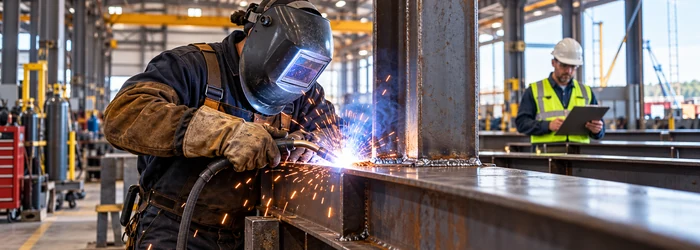
Industrial construction welders play a crucial role in the construction industry, specializing in the assembly and repair of heavy metal structures used in various industrial applications. Understanding their earning potential is essential for both current professionals and those considering a career in this field. This comprehensive analysis delves into the various factors influencing the salaries of industrial construction welders and provides a detailed overview of their earnings.
- Factors Influencing Industrial Construction Welder Salaries
- 1. Experience and Skill Level
- 2. Geographic Location
- 3. Industry and Employer
- 4. Certification and Education
- Average Salaries for Industrial Construction Welders
- 1. National Average Salary
- 2. Salary by Experience Level
- 3. Salary by Geographic Location
- Benefits and Compensation
- 1. Health Insurance
- 2. Retirement Plans
- 3. Overtime and Bonuses
- 4. Training and Development
- Career Outlook and Opportunities
- Conclusion
Factors Influencing Industrial Construction Welder Salaries
1. Experience and Skill Level
Experience and skill level are significant determinants of an industrial construction welder's salary. Welders with more years in the field and specialized skills typically command higher wages. Entry-level welders may start with lower salaries, but those with advanced certifications and extensive experience often see substantial increases. Specialized skills such as pipe welding or TIG welding can lead to higher earning potential.
2. Geographic Location
Geographic location plays a pivotal role in determining a welder's salary. Wages can vary significantly depending on the region and local demand for skilled labor. For instance, industrial construction welders in areas with high costs of living or in regions experiencing a boom in construction projects may earn more. Major metropolitan areas and industrial hubs generally offer higher salaries compared to rural locations.
3. Industry and Employer
The industry and employer also impact salary levels. Industrial construction welders working in sectors such as oil and gas, shipbuilding, or power generation often earn more due to the complexity and demands of these industries. Employers with large-scale projects or those operating in high-risk environments may offer higher pay to attract skilled professionals.
4. Certification and Education
Holding relevant certifications and formal education can enhance a welder's earning potential. Certifications from recognized bodies like the American Welding Society (AWS) or National Institute for Certification in Engineering Technologies (NICET) can make welders more competitive and eligible for higher-paying positions. Continuing education and advanced training in specialized welding techniques can also lead to increased salaries.
Average Salaries for Industrial Construction Welders
1. National Average Salary
As of the latest data, the national average salary for industrial construction welders in the United States is approximately $55,000 to $65,000 per year. This figure represents a general range, with specific salaries varying based on the factors previously mentioned. Entry-level positions may start around $40,000 per year, while experienced welders can earn upwards of $80,000 annually.
2. Salary by Experience Level
- Entry-Level Welders: Entry-level industrial construction welders typically earn between $40,000 and $50,000 per year. This range accounts for those just starting in the field with minimal experience and basic certifications.
- Mid-Level Welders: Welders with several years of experience and intermediate skills generally earn between $50,000 and $65,000 annually. This salary range reflects a combination of hands-on experience and specialized training.
- Experienced Welders: Highly experienced industrial construction welders with advanced skills and certifications can earn between $65,000 and $85,000 per year. Those in supervisory roles or working on high-profile projects may see even higher salaries.
3. Salary by Geographic Location
- High-Cost Areas: In high-cost areas such as San Francisco, New York City, and Houston, industrial construction welders can earn significantly more, with salaries ranging from $70,000 to $90,000 per year. These locations often have a higher cost of living and greater demand for skilled labor.
- Mid-Range Areas: In mid-range areas with moderate costs of living, such as Dallas, Atlanta, and Denver, salaries typically range from $55,000 to $70,000 annually.
- Low-Cost Areas: In regions with a lower cost of living, such as rural Midwest or Southern states, industrial construction welders may earn between $45,000 and $60,000 per year.
Benefits and Compensation
1. Health Insurance
Many employers offer health insurance as part of their compensation packages. This benefit can significantly impact the overall value of a welder's compensation. Coverage often includes medical, dental, and vision insurance.
2. Retirement Plans
Retirement plans such as 401(k) accounts with employer matching contributions are common in the industry. These plans provide long-term financial security and enhance the total compensation package.
3. Overtime and Bonuses
Industrial construction welders often have the opportunity to earn overtime pay and performance bonuses. Overtime rates are typically higher than standard wages, and bonuses may be awarded based on project completion or performance metrics.
4. Training and Development
Employers may also provide training and development opportunities, including paid courses and workshops to improve skills and advance careers. This professional growth can lead to higher earning potential and career advancement.
Career Outlook and Opportunities
The demand for skilled industrial construction welders is expected to remain strong due to ongoing infrastructure projects, industrial expansion, and the need for maintenance and repair of existing structures. Advancements in technology and welding techniques will continue to create new opportunities for those with specialized skills and certifications.
Conclusion
In summary, the salary of an industrial construction welder varies based on experience, location, industry, and certification. While the national average salary is around $55,000 to $65,000 per year, experienced welders in high-demand areas can earn significantly more. Benefits such as health insurance, retirement plans, and overtime pay further enhance overall compensation.
Scope and meaning
A commercial or institutional building begins with the activities it must support. For industrial construction welders make, define users, operating hours, equipment, deliveries, peak occupancy, security, storage, and future change. Distinguish base building, shell-and-core, tenant fit-out, owner equipment, and site work. A leasing plan may not show construction scope; assign each package.
Planning inputs to confirm
Map the program to site, circulation, servicing, and operations. Confirm how people, deliveries, waste, responders, maintenance staff, and equipment reach the building. Check the review path with responsible professionals; classifications and requirements depend on location and use. Consider accessible routes, egress, fire protection, structure, utilities, and loading early.
Design choices and trade-offs
Coordinate structure, enclosure, utilities, life-safety systems, and maintenance. Evaluate clear heights, spans, equipment rooms, risers, façade performance, acoustics, and expansion. For multiple tenants, define shared areas, metering, access, and maintenance responsibilities. Specialized equipment must fit and remain serviceable before the layout is fixed.
A practical project sequence
Plan from program and site verification through coordinated design, authority review, procurement, enabling work, structure, enclosure, rough-in, fit-out, testing, and occupancy readiness. Coordinate long-lead equipment and utility approvals. Include inspection hold points and commissioning. Phased occupancy needs temporary access, fire strategy, utilities, and unfinished-area responsibility.
Coordination and responsibilities
Use an interface matrix for architecture, structure, civil, mechanical, electrical, plumbing, fire, security, IT, lifts, and tenant scope. Identify who provides sleeves, supports, fire stopping, controls, meters, tests, training, and access. Review cost and schedule changes against operations and tenant obligations.
Cost and schedule considerations
Separate shell, landlord work, tenant improvements, owner equipment, external work, design, testing, commissioning, fees, and contingency. Compare bids on identical scope. A low base price may shift costs to fit-out or operations. Track changes by location and package, including lead time, access, testing, energy, and maintenance.
Quality checks
Define acceptance evidence before installation: approved submittals, samples, mock-ups, inspections, functional tests, balancing, controls, commissioning, and training as applicable. Follow approved documents and authority requirements. Before opening, confirm approvals, safe access, tested systems, warranties, record drawings, and responsible operators.
Risk and long-term use
Plan equipment replacement routes, roof access, shutoffs, meters, cleanouts, waste, spare parts, and service contracts. Deliver operating sequences, warranties, as-builts, approvals, and maintenance schedules. Clarify who operates shared services and how future tenant changes are reviewed.
Topic-specific questions
The source outline surfaces points to verify against current project information:
- Factors Influencing Industrial Construction Welder Salaries. Check the exact location, source revision, reviewer, and whether the point is a definition, design intent, measurement, requirement, or example. Record the answer before procurement or installation if it changes scope, sequence, or acceptance.
- Experience and Skill Level. Check the exact location, source revision, reviewer, and whether the point is a definition, design intent, measurement, requirement, or example. Record the answer before procurement or installation if it changes scope, sequence, or acceptance.
- Geographic Location. Check the exact location, source revision, reviewer, and whether the point is a definition, design intent, measurement, requirement, or example. Record the answer before procurement or installation if it changes scope, sequence, or acceptance.
Project checklist
Before committing to a decision about industrial construction welders make, work through these checks:
- Record location, purpose, project phase, date, and controlling revision.
- Separate verified conditions from assumptions, open questions, allowances, and exclusions.
- Confirm scope, measurement, product or system, interfaces, access, and responsibility.
- Agree who reviews the work, which evidence is required, and when inspection must occur.
- Document approved changes with location, cost or schedule effect, owner, date, and closure.
- Keep tests, photographs, record information, warranties, and maintenance instructions for handover.
Common mistakes to avoid
Do not rely on a broad label, old drawing, generic figure, or verbal field decision when the actual scope can be checked. Confirm the basis, location, version, and reviewer before work is committed. When evidence is incomplete, mark the conclusion provisional and name the next action instead of presenting an assumption as fact.
Frequently asked questions
What must a commercial brief define?
Uses, users, hours, peak occupancy, equipment, deliveries, servicing, security, and future change.
Does the same layout work everywhere?
No. Site, use, authority requirements, utilities, access, operations, and local rules affect design.
How do shell and fit-out differ?
The contract defines the boundary; a scope matrix should identify base building, tenant work, equipment, utilities, and testing.
When should commissioning be planned?
During design and scheduling, with systems, tests, owners, records, and training defined.
What is needed before occupancy?
Required approvals, safe access, tested systems, operating instructions, training, warranties, record information, and closeout.
Related Building Design resources
Continue with Commercial Construction Per Square Foot In, To Wire Ethernet In A Commercial Building During, Are Commercial Construction Bids Higher Than Residential?. Apply each resource only to its scope and verify project decisions against approved records.
Conclusion
A reliable result for industrial construction welders make comes from clear scope, current evidence, coordinated decisions, and documented checks. Obtain qualified review where safety or compliance is involved, and keep the approved record available for construction and future maintenance.




Leave a Reply
Want to join the discussion?Feel free to contribute!