
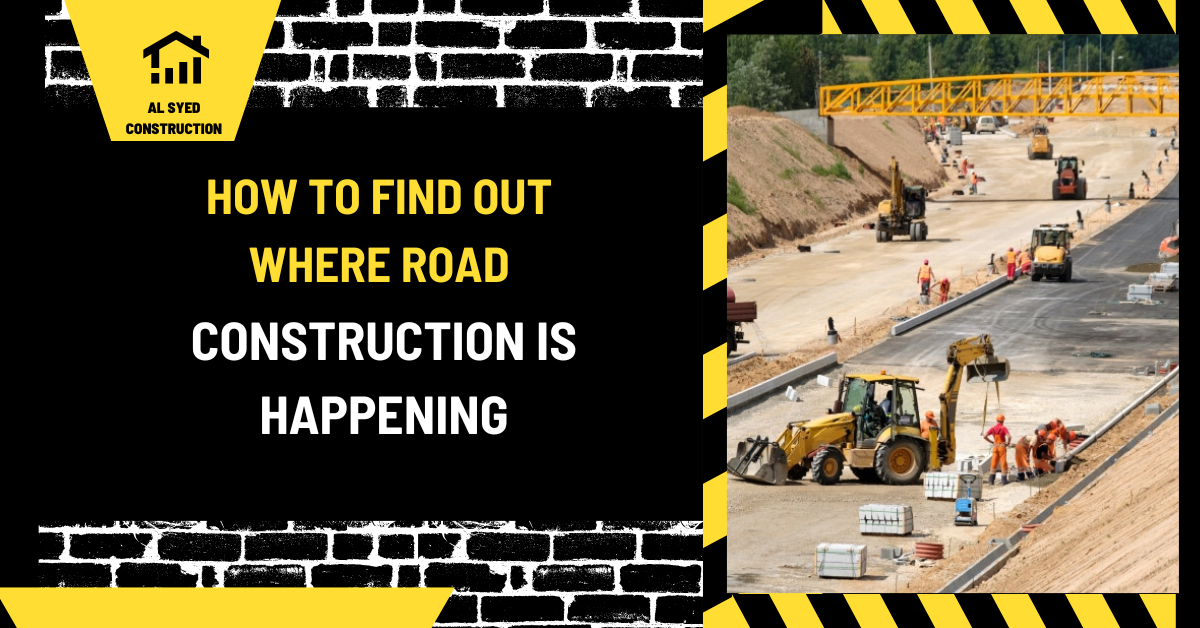
Road Construction Updates and Locations
This article focuses on road construction updates. The practical guidance explains how the topic affects scope, materials, field coordination, quality checks, and maintenance. Decisions depend on the site, intended use, approved documents, adjacent features, and the people responsible for design and construction. Confirm project-specific engineering, contract, and current local requirements with the responsible professional.
Utilizing Online Resources for Road Construction Information
1. Check Official Transportation Department Websites
Government transportation departments provide real-time updates and detailed information about road construction projects. These websites are essential resources for accurate and current data.
- State and Local Transportation Websites: Visit your state’s Department of Transportation (DOT) or local public works website. These platforms often feature interactive maps and lists of ongoing and upcoming roadwork.
- Project Timelines and Details: Look for specific sections dedicated to road construction projects, which include timelines, locations, and impacts on traffic.
2. Use Traffic Apps and Navigation Tools
Modern technology offers various tools to help you stay informed about road conditions and construction.
- Google Maps: Google Maps provides real-time traffic updates and roadwork information. By entering your destination, you can view current traffic conditions and receive notifications about any construction affecting your route.
- Waze: This community-driven navigation app offers user-reported updates on road construction, closures, and traffic conditions. It can help you avoid affected areas and find alternative routes.
- Apple Maps: Apple Maps also provides information on roadwork and traffic conditions. It integrates with real-time updates to suggest the best routes and avoid delays.
Monitoring Local News and Media
1. Follow Local News Outlets
Local media sources are valuable for timely updates on road construction and traffic conditions.
- News Websites: Check local news websites for articles and reports on road construction projects. These platforms often provide updates on major projects and their impacts.
- TV and Radio Stations: Tune in to local TV and radio stations for live traffic reports and construction updates. Many stations offer regular traffic updates during peak hours.
2. Subscribe to Newsletters and Alerts
Many local governments and media outlets offer newsletters and alerts that provide information about road construction.
- Email Alerts: Sign up for email alerts from your city or county’s public works department or local news outlets. These alerts often include detailed information on upcoming roadwork and its impact on traffic.
- Social Media: Follow local transportation departments and news organizations on social media for real-time updates and announcements about road construction.
Using Community Resources
1. Engage with Neighborhood Associations
Local neighborhood associations often have information about roadwork affecting their areas.
- Attend Meetings: Participate in neighborhood association meetings to hear about upcoming road construction projects and their potential impacts.
- Community Boards: Check community boards or newsletters for updates on local roadwork and construction projects.
2. Connect with Local Government Offices
Local government offices can provide direct information about road construction projects.
- City Hall: Visit or contact your city hall to inquire about ongoing and planned roadwork. They can provide details on construction schedules and locations.
- Public Works Department: Reach out to the public works department for specific information about road construction in your area.
Using Interactive Maps and Tools
1. Access Interactive Roadwork Maps
Many cities and states offer interactive maps that display road construction projects and their status.
- Online Interactive Maps: Search for online interactive maps provided by local or state transportation departments. These maps typically offer filters to view specific types of roadwork and their locations.
- Mobile Apps: Some mobile apps provide interactive maps showing real-time construction updates. These tools can help you plan your route based on current road conditions.
2. Utilize Traffic Management Websites
Websites dedicated to traffic management and road conditions can offer detailed information on road construction.
- Regional Traffic Management Sites: Visit regional traffic management websites that provide updates on roadwork and traffic disruptions. These sites often include detailed information on construction locations and expected delays.
- Construction Project Portals: Some large-scale construction projects have dedicated websites or portals with information on their status and impact on traffic.
Contacting Relevant Authorities
1. Reach Out to Local Transportation Departments
For specific inquiries about road construction, contacting local transportation departments can provide direct answers.
- Phone Inquiries: Call the local transportation department or public works office to ask about current and upcoming roadwork. They can provide detailed information on construction schedules and locations.
- Online Contact Forms: Use online contact forms available on transportation department websites to submit inquiries about road construction.
2. Request Information from Construction Companies
If a specific construction company is responsible for a project, contacting them directly can provide detailed updates.
- Company Websites: Visit the construction company’s website for project updates and contact information.
- Customer Service: Reach out to the company’s customer service or project management team for detailed information on roadwork.
Planning Your Routes
1. Use Real-Time Traffic Updates
Leverage real-time traffic updates to adjust your routes and avoid construction-related delays.
- Live Traffic Updates: Use traffic apps and navigation tools to receive real-time updates on road conditions and construction. This helps you make informed decisions about alternative routes.
- Route Planning: Plan your routes ahead of time by checking for construction-related disruptions and identifying alternative paths to reach your destination efficiently.
2. Adjust Travel Times
Adjusting your travel times can help you avoid peak construction hours and minimize delays.
- Off-Peak Hours: Travel during off-peak hours when construction is less likely to impact traffic. This can help you avoid congestion and delays caused by roadwork.
- Flexible Scheduling: Allow extra time in your schedule for potential delays caused by road construction, especially if you need to travel through areas with ongoing projects.
Conclusion
Staying informed about road construction is crucial for avoiding disruptions and planning efficient routes. By utilizing online resources, monitoring local news, engaging with community resources, and contacting relevant authorities, you can effectively find out where road construction is happening and minimize its impact on your daily travels. Utilize interactive maps, real-time traffic updates, and community engagement to stay ahead of roadwork-related challenges.
Define the scope and expected result
Begin with the actual question behind road construction updates. Identify whether the work is new construction, repair, measurement, status checking, service planning, or maintenance. State the location, limits, intended use, and expected result in plain language. This distinction matters because a general definition cannot approve a site detail, a rough estimate cannot replace a written scope, and a map observation cannot confirm the status of every work zone.
For the exact road segment, direction of travel, work phase, public notice, and route decision, mark what is included, what remains in place, and where another owner or trade takes over. Capture the condition before work, note access that must remain available, and identify open decisions. Where a boundary, elevation, term, or responsibility is uncertain, record the question and obtain direction before ordering material or changing the field condition.
Confirm the controlling information
Before selecting a method, review road name, nearest cross street, timestamp, observed condition, direction, and source of confirmation. Check that the plans, quantities, and communications refer to the same revision and location. Record the source and date of information that can change, such as a field measurement, traffic condition, service request, or local requirement. Separate verified facts from assumptions so a later decision can be traced to its basis.
Use a site walk to compare the documents with actual conditions. Photograph interfaces, identify nearby utilities and drainage features, and note constraints on equipment, storage, work hours, and public access. If the information is incomplete, determine whether a survey, test, agency response, or qualified design review is needed. Do not make an unapproved substitution simply because a detail is difficult to build as drawn.
Compare options as complete systems
Evaluate a map check, official project notice, road-agency contact, site representative, and safe alternate route. Compare function, supporting layers, edges, interfaces, drainage, installation method, inspection, and maintenance together. Product labels and familiar field terms do not establish that two assemblies are equivalent. Check approved submittals and product instructions, then ask the responsible professional to review a proposed alternative that could affect design intent, performance, appearance, or acceptance.
For the exact road segment, direction of travel, work phase, public notice, and route decision, weigh the site conditions and owner needs rather than choosing only by appearance or a headline estimate. Consider traffic, weather, water, access, maintenance capacity, and future work. If a product is unavailable or a method changes, document the replacement, its compatibility, and any revised inspection or schedule requirement. This gives the owner a reasoned comparison without assuming that the most expensive option is automatically best.
Plan the work sequence and handoffs
Build the sequence around observe, verify, record, report through the proper channel, update affected people, and close the loop. Identify prerequisites, access, equipment, materials, inspection hold points, and the person responsible for each handoff. Schedule work that will be concealed for review before the next operation begins. Tell the next trade what has been completed and what must remain protected. A coordinated sequence reduces rework and makes it easier to identify the source of a defect.
Allow the plan to respond to real conditions without losing control of the change. Weather, deliveries, utilities, ground conditions, public access, and approvals may shift the sequence. When that happens, protect the area, record the impact, obtain authorized direction, update the work record, and notify every affected crew. Do not leave a critical change in a text message or verbal conversation that the following shift cannot find.
Inspect work against observable criteria
Use the relevant documents to check location, time, current phase, safe access, notice accuracy, response, and whether conditions changed. Confirm the measurement point, unit, test method, acceptance limit, and responsible reviewer before work begins. Tie each observation to a location, date, drawing revision, and material lot where applicable. A visual review is useful, but it cannot replace a specified test or approval. List each open item with an owner and a due date.
Inspect interfaces as carefully as the central surface or component. Edges, transitions, drains, covers, joints, access points, and adjacent materials often reveal whether the assembly is working as intended. Photograph defects with enough context to relocate them. If a result will soon be covered, pause and complete the required review first; otherwise, the team may lose the evidence needed to accept or correct the work.
Diagnose issues before choosing a repair
When a problem appears, describe its location, shape, extent, date, weather, traffic, and nearby construction activity. For the exact road segment, direction of travel, work phase, public notice, and route decision, investigate symptoms such as treating a map icon as complete coverage, relying on an old notice, vague location reports, and unsupported conclusions. Check whether the issue follows a joint, trench, edge, water path, material change, or work boundary. A symptom can have more than one cause, so avoid treating the visible mark as a complete diagnosis.
Compare the condition with survey data, inspection notes, service logs, and earlier repairs. Determine whether the issue is limited to a surface layer or may involve support, drainage, material compatibility, operation, or an unrecorded change. Use qualified engineering, geotechnical, materials, legal, or safety support where the decision requires it. Record the cause considered and why the repair selected matches that cause.
Coordinate people, access, and safety
Include safe observation, no stopping in a hazardous location, clear detours, pedestrian access, and emergency routing in the work plan. Identify who controls the area, how others are kept out of moving equipment or restricted routes, and how a person reports an unsafe change. Use the approved site, traffic, or employer safety plan and confirm that assigned personnel have the required training. A sign, barrier, or item of protective equipment does not replace the complete plan.
Give affected people clear information about timing, alternate access, restricted areas, and the contact for questions. Check the route from the user’s point of view, not only from the crew’s setup position. Reinspect after a shift change, equipment move, weather event, or new work phase. If the approved controls no longer fit, pause the affected task and get direction before continuing.
Manage cost, timing, and lifecycle effects
The result can depend on work phase, weather, traffic, agency updates, access needs, and changing field conditions. Record quantities, expected duration, inspection needs, access restrictions, material lead times, and maintenance responsibilities before making a budget or schedule commitment. For cost questions, compare current local proposals against the same written scope; broad online averages are not a reliable price for a particular site. For status or employment questions, confirm changing information with the responsible current source.
Plan for the work after installation or service, not only the initial activity. Identify routine inspections, cleaning, repair, seasonal preparation, and the party responsible for them. A lower initial cost can carry more maintenance or disruption, while a premium option may exceed the actual need. State the assumptions behind any lifecycle comparison and revisit them if use, traffic, climate, or ownership changes.
Prepare a useful handover record
Keep timestamp, notice, reference number, observation, photograph where safe, response, and final status together with the final work package. Make the record searchable by location and date, and label the revision, responsible person, and open item. Include approved changes and explain any temporary limitation. A folder of unlabelled photographs or duplicate drawings is difficult to use when a future crew needs to find a buried feature, verify a surface, answer a resident, or check an invoice.
At closeout, walk the work with the responsible party, confirm access and maintenance instructions, and assign unresolved items. Record the actual condition rather than copying the original plan as if nothing changed. Future repairs should use these records to understand the assembly and avoid incompatible work. A clear handover is part of the project result, not an administrative task to leave until after the crew has departed.
Frequently asked questions
What should be checked first for road construction updates?
Start with the current project documents, exact location, existing conditions, intended use, and responsible decision-maker. Confirm unresolved measurements, access, utilities, drainage, approvals, or service triggers before work or a public update proceeds.
What should happen if the field condition differs from the plan?
Document the location and condition, protect the affected area, notify the authorized professional, and obtain written direction before changing the work.
Related posts in Driveways, Roads & Paving
Continue with Google Maps Road Construction, and How to Check Road Construction Status, and How to Complain About Road Construction for connected guidance within the same category.

Leave a Reply
Want to join the discussion?Feel free to contribute!