
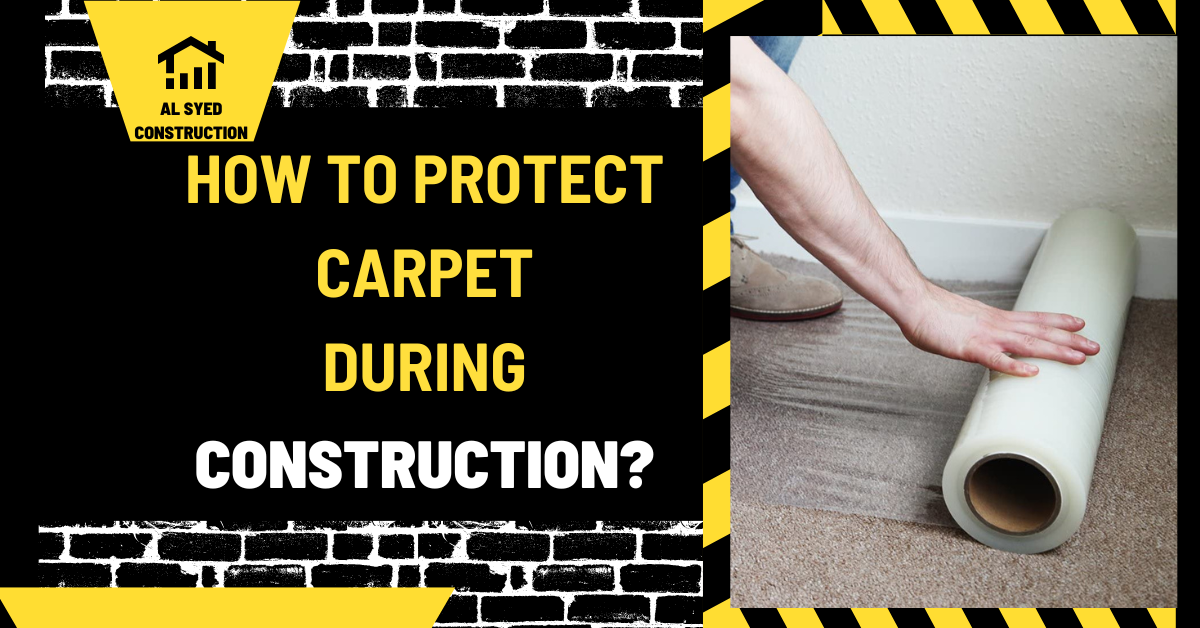
How to Protect Carpet During Construction
To protect carpet during construction, prevent dirt and debris from reaching it, control the route workers use, and choose a covering that will not trap moisture or damage the fibers. The best protection is installed after dusty or wet work is complete, but remodels often require access across existing carpet. A planned barrier, regular inspection, and quick response to spills can reduce stains, crushed pile, snags, and costly replacement.
There is no single protective film that is safe for every carpet. Adhesive strength, backing material, traffic, temperature, and project duration matter. Check the carpet manufacturer’s care guidance and the floor-protection product instructions. Test a small inconspicuous area if compatibility is uncertain, and remove protection as directed rather than leaving it in place indefinitely.
Plan the work sequence
Before work starts, identify which rooms have carpet, where trades will enter, and how materials will move through the building. Establish one controlled path and keep tools, carts, and debris out of unused rooms. If the route can be changed to use hard flooring, do so. Reduce unnecessary trips across carpet and ask crews to use clean footwear or shoe covers where appropriate.
Complete the most dust-producing work before installing new carpet whenever the schedule allows. Drywall sanding, cutting, demolition, and painting can create fine dust or spills that are difficult to remove from fibers. If carpet is already installed, protect it before those trades begin, while keeping the covering away from wet paint, solvents, and uncured finishes.
Document the carpet condition with photographs before construction. Note stains, wear, loose seams, and existing damage so later inspection is fair. Move furniture carefully and protect legs with clean pads. Do not drag heavy objects across a carpet or use a rolling cart with sharp or small wheels that can catch pile.
Choose a compatible carpet covering
Temporary floor protection can include breathable reusable sheets, nonwoven coverings, or products designed specifically for carpet. Self-adhesive carpet film may be suitable for some products and short-term work, but the adhesive must be compatible with the carpet backing and pile. Strong tape directly on carpet can leave residue, pull fibers, or discolor the surface. Do not use painter’s tape as a substitute unless its manufacturer approves the carpet and duration.
Plastic film can protect against spills but may trap moisture. If water gets under an impermeable covering, the carpet and pad may stay wet and develop odor or damage. Avoid covering damp carpet. Inspect edges and seams regularly, especially after plumbing, cleaning, or rain-related work. Use a breathable system for longer projects unless a specific spill barrier is needed.
Protection needs to be securely joined so it does not slide, wrinkle, or create a trip hazard. Use only approved attachment methods, and place tape on the covering rather than directly on the carpet where possible. Keep the surface smooth at thresholds and stairs. Check compatibility with carpet fibers, backing, and any stain-resistant treatment.
Install a clean access route
Vacuum and remove grit before laying protection; otherwise, dirt trapped underneath can abrade fibers under foot traffic. The floor should be dry. Roll the covering in the direction of travel and overlap seams as instructed. Secure edges without stretching or compressing the carpet. At a doorway, create a smooth transition that will not catch shoes or wheels.
For high-traffic work, a layered route may include a breathable carpet protector under a rigid walkway board, but the boards must be stable and distribute load without sharp edges. Do not place heavy sheet goods or equipment directly on carpet without checking how the load will affect pile and pad. Avoid narrow furniture feet and point loads that can leave permanent dents.
For stairs, use a purpose-made stair covering and secure it according to instructions. A loose sheet on a stair can cause a fall. Keep handrails and stair edges visible, and inspect the covering each day. If safe protection cannot be installed, redirect the route.
Control dust and airborne debris
Floor covering cannot prevent dust from circulating through the building. Use barriers and local dust extraction during sanding, cutting, and demolition. Seal off work areas where appropriate and protect HVAC returns from construction dust. Change or clean filters according to the system and project plan. Do not cover supply or return grilles in a way that interferes with safe operation.
Vacuum the protected route at the end of each shift. Fine dust can migrate through seams and settle on carpet after the covering is removed. Use a vacuum with suitable filtration for the material and project. Dry sweeping can put dust back into the air. Keep the work zone and access path organized so debris does not get tracked into carpeted rooms.
For hazardous dust, such as material that may contain asbestos or lead, ordinary carpet protection and routine vacuuming are not enough. Stop work and follow the required professional controls. Do not allow a work crew to carry contaminated debris through occupied spaces.
Respond to spills and moisture
Act quickly when water or another liquid reaches carpet. Stop the source, lift the covering carefully, and assess how far the moisture traveled. Blot rather than rub, and use a cleaning method approved for the carpet. If the pad or subfloor is wet, the area may need professional extraction and drying. Re-covering a damp spot traps moisture and can lead to odor or microbial growth.
Paint, adhesive, grout, mortar, and solvents require product-specific cleanup. Do not scrub a spill deeper into the pile or use a household chemical without checking the carpet guidance. For large or unknown spills, call a professional cleaner and provide the product label. Keep the area dry until the carpet is fully restored.
Inspect the underside of protection after plumbing work, wet cutting, or a roof leak. Moisture can move under a covering without being immediately visible. Remove and dry protection before reusing it, and replace contaminated sheets rather than rolling dust or chemicals onto clean carpet.
Prevent snags, crushing, and damage
Carpet can be damaged by sharp tools, metal edges, wheel loads, or repeated foot traffic. Cover exposed seams and thresholds, and use pads beneath ladders, toolboxes, and work stands. Do not place a ladder foot directly on unprotected carpet if it may sink or move. Make sure protective boards do not have protruding screws or splinters.
Furniture can leave indentations even when covered. Move pieces out of the construction route where possible. For furniture that must remain, use wide, clean supports and distribute weight. Avoid rolling cabinets or appliances over carpet; use a planned hard-surface path or lifting equipment designed for the load.
Pets and occupants should be kept away from construction zones. A pet can snag fibers, chew plastic film, or carry dust into other rooms. Post clear signs and brief workers about the access route and covering rules.
Daily inspection and removal
Inspect protection at the start and end of each workday. Look for tears, loose seams, trapped water, adhesive residue, wrinkles, and debris beneath the edges. Repair or replace damaged sections promptly. Make sure exits and stairs remain clear. A few minutes of inspection can prevent a small opening from collecting a full shift of dust.
Remove coverings at the time specified by the product instructions and inspect carpet in sections. Roll or fold protection inward so debris stays contained. Do not drag it across the pile. If adhesive residue is present, use only a cleaner approved for the carpet and test it first. Vacuum after removal and compare the carpet to the preconstruction photos.
Some temporary protectors are designed for limited duration and temperature ranges. Longer installation can increase adhesive transfer or discoloration. If the schedule extends, consult the protection manufacturer about replacement or a different system.
Construction carpet protection checklist
Before work, record condition, select the route, identify the covering, and test compatibility. Clean and dry the carpet, then install smooth, secure protection. During work, control dust at the source, restrict access, inspect daily, and respond promptly to spills. At closeout, remove the covering carefully, inspect the carpet and pad, clean with an approved method, and document any damage.
For new carpet installed before final construction is complete, follow the carpet and adhesive manufacturers’ protection instructions. Keep wet trades away until adhesives and finishes cure. Do not assume a generic plastic sheet is safe over every new carpet. Discuss temporary protection as part of the installation scope.
Common mistakes
Frequent mistakes include taping directly to carpet, leaving plastic down for too long, covering damp fibers, letting workers walk over unprotected edges, and using a loose sheet on stairs. Others include skipping the pre-work photos and allowing dusty trades to operate without source control. The protection plan should be simple enough that every worker follows it.
Another mistake is assuming protection removes the need for cleaning. Fine dust may enter through seams, and grit can be trapped beneath a cover. Inspect and vacuum the route regularly. A carpet cleaner can address stains, but permanent damage to the pad or backing may require repair or replacement.
Frequently asked questions
Can I use plastic carpet film?
Only if the exact film is approved for the carpet and expected duration. Monitor it for trapped moisture and adhesive transfer.
Should I tape protection to carpet?
Avoid direct tape unless the tape manufacturer specifically approves the carpet. Secure seams to the covering when possible.
How long can carpet stay covered?
Follow the product’s duration and temperature limits, inspect it regularly, and consult the manufacturer if the project runs long.
What if water gets under the protector?
Remove the covering, stop the leak, and dry the carpet and pad promptly. Do not trap moisture under plastic.
For a quick estimate of the floor area that needs temporary protection, the site’s carpet calculator can help with room measurements. Add allowance for closets, hallways, stair landings, and overlap at seams based on the protection product being used.


Leave a Reply
Want to join the discussion?Feel free to contribute!