
Stone Megaliths in the United States: History
Stone megaliths have long been associated with ancient structures, monuments, and landmarks. These massive stones have a significant historical and architectural relevance. Though commonly linked to prehistoric structures like the Stonehenge in England, the use of stone megaliths in construction is not restricted to ancient times. In the USA, stone megaliths have found their place in modern architecture, both as decorative features and as vital components in creating robust and timeless structures.
In this article, we explore the role of stone megaliths in construction within the United States, their uses, benefits, and the various types of megaliths used in construction. From their historical significance to their application in modern-day architecture, stone megaliths are an undeniable influence on building construction in the USA.
What Are Stone Megaliths?
Stone megaliths are large, upright stones or rocks, typically monolithic in nature, which have been used throughout history in various cultures and for various purposes. The term “megalith” comes from the Greek words “mega” (large) and “lithos” (stone). Megaliths are usually positioned vertically and are typically found as part of larger architectural works, such as temples, monuments, or sacred sites.
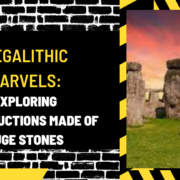
While stone megaliths are most commonly associated with prehistoric Neolithic and Bronze Age constructions, such as the well-known Stonehenge in the United Kingdom or the Dolmens of Europe and Asia, they have been incorporated into modern construction practices as well. Their sheer size, durability, and aesthetic appeal make them an attractive choice for certain types of architectural design.
Historical Significance of Stone Megaliths in Construction
Stone Megaliths in Ancient Structures
Historically, stone megaliths were integral to the construction of monumental and ceremonial structures. Cultures around the world, from the ancient Egyptians to the Celtic tribes, used megaliths in the creation of ritualistic sites, temples, and burial chambers. The most famous example of ancient megalithic structures in the USA is the Indian Mounds found across North America, where massive stones were used to build ceremonial mounds.
The role of megaliths in ancient American construction was not only functional but symbolic. In regions such as the Southwest, Native American cultures used megaliths for ceremonial practices and as territorial markers. These ancient stone structures often held a cultural and spiritual significance that still influences the ways megaliths are used today.
The Role of Stone Megaliths in Modern Construction
Although we tend to think of stone megaliths as relics of the past, they have made a resurgence in modern architecture in the USA. Architects and builders today are revisiting the idea of using large stone blocks in landscaping, public spaces, and even private homes for their aesthetic value, structural integrity, and timeless appeal.
In addition to their aesthetic and symbolic importance, modern-day builders utilize stone megaliths for their durability and strength, especially in landscaping projects and outdoor structures.
Uses of Stone Megaliths in Modern Construction in the USA
Stone megaliths have a wide range of applications in contemporary construction, from creating grand entrances to landmark buildings. Here are several key areas where megaliths are commonly used in modern construction:
1. Monumental Architecture and Landmarks
One of the most prominent applications of stone megaliths in modern construction is in monumental architecture. The USA is home to several iconic landmarks that incorporate megaliths. One notable example is the Washington Monument, which stands tall as a tribute to the first President of the United States, George Washington. While not strictly made of megalithic stones, the massive obelisk of the monument shares many characteristics with ancient megaliths in terms of scale and symbolism.
Megaliths are also widely used in memorial structures and public monuments. The 9/11 Memorial in New York City, for example, uses large stone slabs to evoke a sense of permanence and reverence.
2. Landscaping and Outdoor Spaces
Megalithic stones are increasingly used in landscaping projects due to their rugged beauty and durability. Landscape architects use large stones for features such as retaining walls, waterfalls, and garden sculptures. The use of stone megaliths in landscaping helps create a natural and organic aesthetic, blending harmoniously with the environment.
In commercial landscapes, such as hotel grounds, corporate campuses, and public parks, megaliths are used to create bold visual statements and distinctive entrances. The stones’ size and durability make them an excellent choice for long-lasting and low-maintenance features.
3. Architectural Details and Facades
In modern construction, stone megaliths are increasingly used as architectural accents and to create dramatic facades for buildings. Large stone columns, arches, and sculptures have been integrated into luxury homes, hotels, and corporate buildings in the USA. The use of megalithic stones helps convey a sense of strength, stability, and timeless beauty.
Megaliths are often used to create grand entranceways and staircases, making them a popular choice for high-end residential architecture and public spaces.
4. Outdoor Seating and Functional Structures
In outdoor spaces, stone megaliths are used to create functional structures such as seating areas, benches, and garden sculptures. These large stones are durable enough to withstand the elements and can be used to create focal points in gardens, parks, or even around pools. Additionally, megalithic stones are often used in barbecue pits, outdoor fireplaces, and retaining walls.
5. Energy-Efficient Design
The heavy mass and thermal mass properties of stone megaliths are also being utilized in energy-efficient construction. Stone’s natural ability to store heat helps in the regulation of indoor temperatures in buildings, making it a popular choice in the construction of green buildings. Thermal mass helps reduce the need for excessive heating or cooling, thus improving energy efficiency and reducing utility costs.
Benefits of Using Stone Megaliths in Construction
1. Durability and Longevity
One of the greatest benefits of using stone megaliths in construction is their exceptional durability. Stone, particularly granite, marble, and limestone, can last for centuries. This makes it an excellent material for creating long-lasting structures that withstand the test of time, extreme weather conditions, and other environmental challenges.
2. Aesthetic Appeal
The use of stone megaliths adds a distinct aesthetic appeal to any building or landscape. Their natural textures, colors, and sizes create a visual impact that is both majestic and timeless. The use of megaliths can transform any space into a monumental work of art, whether in private homes, parks, or public spaces.
3. Sustainability
Stone is an inherently sustainable material. It requires minimal processing and can be sourced locally, reducing its carbon footprint. The use of stone megaliths in construction supports sustainable architecture by utilizing natural, renewable resources and reducing the need for artificial materials.
What “megalith” means in an American context
A megalith is a large stone used as a significant part of a structure, monument, or landscape feature. In the United States, the term needs care because it is often borrowed from European discussions of prehistoric monuments and applied loosely to Indigenous sites, stone alignments, or colonial structures. The stone may be massive, but size alone does not explain who built it, when it was made, or what it meant. Archaeological context, oral histories, landscape relationships, and community knowledge matter.
The United States contains many kinds of ancient and historic stone construction, from Indigenous architecture and ceremonial landscapes to dry-laid walls, foundations, quarries, and later monuments. These sites arose in different cultures and periods. Some are composed of carefully shaped blocks; others use earthworks or smaller stones as part of a broader landscape. Labeling them all “megalithic” can obscure the distinct construction methods and living cultural connections associated with each place.
Stone, landscape, and construction knowledge
Large-stone construction begins with knowing the source material. Builders selected stone for size, shape, fracture behavior, and availability, then determined whether it would be split, dressed, moved, or set in place. The landscape itself provided information: bedrock outcrops, slopes, water, routes, and visibility could influence the location and orientation of a structure. Transporting heavy stone required planning, labor, and practical knowledge of leverage, support, and sequence.
Some structures rely on dry-stone placement, where the shape and contact of blocks create stability without a modern binder. Others use mortar or combine stone with timber, earth, and other materials. A photograph cannot establish how blocks were moved or whether a wall was intended to carry loads. Researchers examine tool marks, joints, foundations, wear, and nearby archaeological evidence. If the building is associated with Indigenous communities, consultation with the relevant community is essential to interpreting its purpose and history.
| Evidence | What it can help establish | What still needs context |
|---|---|---|
| Tool marks and dressing | Possible shaping methods | Who performed the work and why |
| Joint and bond patterns | Placement and wall construction | Original form if later repairs exist |
| Quarry or source material | Stone provenance and transport clues | Exact route and labor organization |
| Landscape setting | Views, water, access, and land use | Cultural meaning and oral history |
Examples and terminology
American examples should be described by their actual site name and cultural context rather than by comparison alone. An Indigenous stone structure, an ancient village wall, a field boundary, and a commemorative monument may all contain large stones but represent very different histories. Some sites are sacred or culturally sensitive; not every location should be publicized with detailed access directions. Documentation should respect cultural protocols and archaeological protections.
The broader category “construction made of huge stones” is explored in the site’s guide to large-stone constructions. That page covers examples across regions, while this U.S.-focused article emphasizes terminology, evidence, and the importance of identifying the specific community and site. Avoid using European monuments as a universal template for interpreting American landscapes.
Preservation and public interpretation
Large stones can look permanent, but sites are vulnerable to erosion, vegetation, vandalism, construction activity, and climate effects. Heavy visitors can damage fragile archaeological deposits around a stone feature even when the stones themselves remain intact. Preservation starts with documenting the site, managing access, and understanding water and soil movement. Repairs should not reposition stones or add modern materials without a conservation plan and appropriate consultation.
Interpretation can explain how evidence was gathered, what is known, and what remains uncertain. It should also distinguish archaeological conclusions from popular theories that lack evidence. A monument may have several layers of use or meaning. Presenting those layers carefully respects both scholarly research and community knowledge. The site’s article on ancient slab construction considers stone craft across examples, but this page focuses on U.S. terminology and cultural context.
Questions readers ask
Are all large stones in the United States megaliths? No. The term applies to particular construction or monument contexts and should not be based on size alone.
Did one method move every large stone? No. Techniques depended on the site, material, period, available labor, and structure. Evidence may not reveal every step.
Can a historic stone wall be repaired with cement? Not automatically. Materials should be compatible with the original construction and local conditions.
Why consult Indigenous communities? Many places have continuing cultural significance. Community knowledge and protocols are essential to responsible interpretation and preservation.
Conclusion
The use of stone megaliths in construction in the USA blends ancient traditions with modern architectural needs. From grand monuments to landscaping projects, stone megaliths are playing an increasingly prominent role in construction, bringing strength, durability, and aesthetic appeal to both private homes and public spaces. As we continue to seek materials that connect us with the past while serving contemporary needs, stone megaliths remain a symbol of enduring architectural significance and beauty.
END.


Leave a Reply
Want to join the discussion?Feel free to contribute!