
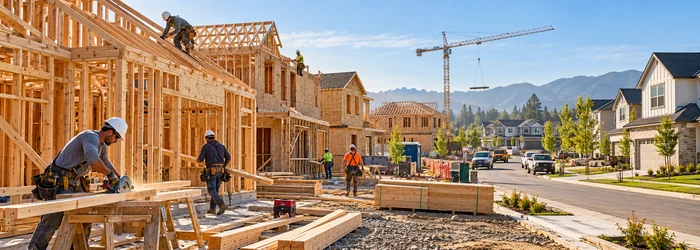
The Resurgence of Residential Construction in the USA
Overview
Resurgence Of Residential Construction In The should be understood through its purpose, project setting, controlling documents, and the work it affects. This guide connects the topic to planning, design or scope decisions, coordination, construction checks, and handover rather than treating a label or estimate as a complete answer.
Use the source article's topic details with current project information. Local approvals, safety requirements, engineering decisions, and financial or legal treatment depend on the facts and responsible authority.
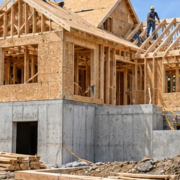
The housing market in the United States has undergone significant transformations over the past few years. Amid economic uncertainty, evolving construction trends, and shifting demand, residential constructionis experiencing a strong resurgence. This article provides an in-depth look into the factors influencing this growth, the trends reshaping the industry, and the broader impact on the economy. With increased demand for new homes and a growing need for renovations, now is a crucial time to understand the dynamics driving house back in construction in USA.
Factors Driving the Resurgence of Residential Construction
Several key factors have contributed to the revival of residential construction in the USA. These include demographic shifts, changes in consumer preferences, government policies, and technological advancements. Let’s explore each of these factors in detail.
1. Growing Demand for Housing
The United States has witnessed a steady increase in population growth, especially in suburban areas. As people migrate from congested urban centers to less densely populated regions, the demand for new homes has surged. Additionally, the rise of remote work and the search for more affordable living options have contributed to the growing demand for residential properties across the country.
2. Government Stimulus and Incentives
Government intervention through various programs has played a crucial role in revitalizing residential construction. Initiatives such as low-interest rates, tax credits, and federal housing grants have spurred new home purchases and renovations. With the government’s focus on boosting the economy post-pandemic, construction companies have received increased support to meet the growing housing demands.
3. Shortage of Existing Homes
An ongoing shortage of existing homes for sale has also contributed to the rise in new residential construction. As fewer people are willing to list their homes for sale, more buyers are opting for newly constructed properties, which has led to a surge in demand for builders and contractors to meet market needs.
4. Rising Home Prices
The recent increase in home prices has made it more financially attractive for homeowners to build new homes rather than buy existing ones. Construction companies have capitalized on this trend by offering modern, customized homes that meet the specific needs and preferences of buyers, further driving the growth of the housing sector.
Technological Innovations Transforming the Residential Construction Industry
Technology has played a vital role in improving the efficiency and effectiveness of residential construction. With the adoption of cutting-edge tools and processes, the construction industry is evolving rapidly.
1. Smart Home Integration
One of the most significant trends in residential construction is the integration of smart home technology. Today’s new homes are designed to be energy-efficient, equipped with high-tech systems that enhance convenience, security, and sustainability. Smart thermostats, lighting systems, and security cameras are just a few of the features that modern homeowners expect in their homes.
2. 3D Printing and Modular Construction
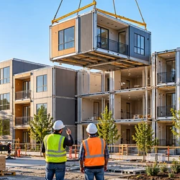
3D printing and modular construction are revolutionizing the way homes are built. These technologies allow for faster construction times and cost savings, making it possible to build homes that are more affordable without sacrificing quality. Modular homes, which are pre-built in factories and then assembled on-site, are becoming increasingly popular due to their quick turnaround times and scalability.
3. Sustainable Construction Materials
As environmental awareness continues to grow, sustainable construction materials have gained traction. Builders are turning to eco-friendly options such as recycled steel, solar panels, and green roofs to create energy-efficient homes. These materials not only reduce the carbon footprint but also lower utility costs for homeowners, making them an attractive choice for eco-conscious buyers.
4. Building Information Modeling (BIM)
Building Information Modeling (BIM) technology has revolutionized how construction projects are planned and executed. BIM allows for the creation of detailed, 3D models of homes before they are built, enabling contractors to identify potential issues early on and make adjustments before construction begins. This leads to more efficient project management and reduces costly delays.
The Role of Sustainability in Residential Construction
Sustainability has become a primary consideration in modern residential construction. With the increasing focus on reducing the environmental impact of buildings, many construction companies have adapted their processes to be more eco-friendly.
1. Green Building Certifications
Homes built with sustainability in mind often come with green building certifications such as LEED (Leadership in Energy and Environmental Design). These certifications demonstrate that a home has been constructed using sustainable materials and energy-efficient systems. Homebuyers are increasingly seeking properties with these certifications to lower their environmental impact.
2. Energy-Efficient Homes
The demand for energy-efficient homes is on the rise, with more buyers opting for homes that feature high-performance insulation, energy-efficient windows, and solar panels. Energy-efficient homes reduce homeowners’ carbon footprints and help them save on utility bills, making them an appealing option for environmentally conscious consumers.
The Future of Residential Construction in the USA
Looking ahead, the future of residential construction in the United States seems promising. Several trends are expected to continue shaping the industry in the coming years.
1. Urbanization vs. Suburban Growth
While urban centers have traditionally been the focal point of residential construction, there is a shift toward suburban and even rural areas. As remote work becomes more entrenched, individuals are choosing homes outside of busy metropolitan areas. This shift will likely drive suburban construction projects in the coming years, creating more opportunities for developers to build family-friendly neighborhoods with ample green spaces.
2. Aging Housing Stock
The aging of existing housing stock is a major concern in the U.S. housing market. Many homes built in the mid-20th century are now in need of significant repairs or renovations. As a result, there will be an increased demand for home renovations and remodeling services. Construction companies will need to focus on both new builds and the repair or restoration of older homes to meet the needs of homeowners.
3. Affordable Housing Solutions
The growing disparity between home prices and incomes has made it increasingly difficult for many Americans to afford homes. As a result, there is a growing focus on affordable housing solutions. Builders are looking for innovative ways to reduce construction costs, such as using modular designs or embracing new construction technologies, to offer more affordable options to first-time buyers and low-income families.
4. Resilient Housing for Extreme Weather
With the rise in extreme weather events, homes are being designed to withstand the effects of hurricanes, floods, and wildfires. Builders are incorporating resilient construction methods to create homes that can withstand these threats. This includes storm-proof windows, flood-resistant foundations, and fire-resistant materials.
Conclusion
The future of house back in construction in USA is brighter than ever. With the increasing demand for new homes, advances in construction technologies, and a focus on sustainability, the industry is poised for long-term growth. By embracing innovation, responding to market needs, and prioritizing energy-efficient, resilient homes, construction companies can continue to thrive in an ever-evolving housing market.
For further information on the resurgence of residential construction, you can visit this article.
Scope and meaning
An architectural history or precedent article needs time, place, source, and definition. For resurgence of residential construction in the, distinguish documented facts from later interpretation and modern imitation. Explain what is known and uncertain. Read form with use, materials, methods, climate, labor, and patronage rather than as an isolated style label.
Planning inputs to confirm
Build from traceable plans, contemporary accounts, archival material, measured surveys, conservation records, and attributed scholarship. Record who created each source, when, and why. If accounts conflict, describe the disagreement instead of selecting the most dramatic version.
Design choices and trade-offs
Analyze proportion, organization, movement, structure, materials, openings, light, ornament, and site. Ask how design served its original use and how later changes affected it. Comparisons should name specific features; a modern adaptation is not a literal reconstruction.
A practical project sequence
Organize the story chronologically without claiming one building caused every later trend. Separate planning, construction start, completion, opening, restoration, and later use; these dates are not interchangeable. Identify phases and state what each source supports.
Coordination and responsibilities
Coordinate conservation, structural assessment, archaeology, archives, owners, and community memory. A measured drawing documents geometry but may not prove authorship; a photograph shows a moment but not the entire construction sequence.
Cost and schedule considerations
Historical cost claims need currency, price year, scope, and source. Separate land, building, transport, landscape, furnishings, labor, and additions when evidence allows. Inflation adjustment does not recreate a changing construction mix.
Quality checks
Check names, dates, locations, attributions, quotations, and materials against credible records. Label interpretation as interpretation. Do not call a feature original without evidence; note photo date, restoration, and later alteration.
Risk and long-term use
Keep a source ledger with author, title, date, publisher or archive, and claim supported. Record later corrections and scholarship changes so readers can distinguish a factual correction from reinterpretation.
Topic-specific questions
The source outline surfaces points to verify against current project information:
- Factors Driving the Resurgence of Residential Construction. Check the exact location, source revision, reviewer, and whether the point is a definition, design intent, measurement, requirement, or example. Record the answer before procurement or installation if it changes scope, sequence, or acceptance.
- Growing Demand for Housing. Check the exact location, source revision, reviewer, and whether the point is a definition, design intent, measurement, requirement, or example. Record the answer before procurement or installation if it changes scope, sequence, or acceptance.
- Government Stimulus and Incentives. Check the exact location, source revision, reviewer, and whether the point is a definition, design intent, measurement, requirement, or example. Record the answer before procurement or installation if it changes scope, sequence, or acceptance.
Project checklist
Before committing to a decision about resurgence of residential construction in the, work through these checks:
- Record location, purpose, project phase, date, and controlling revision.
- Separate verified conditions from assumptions, open questions, allowances, and exclusions.
- Confirm scope, measurement, product or system, interfaces, access, and responsibility.
- Agree who reviews the work, which evidence is required, and when inspection must occur.
- Document approved changes with location, cost or schedule effect, owner, date, and closure.
- Keep tests, photographs, record information, warranties, and maintenance instructions for handover.
Common mistakes to avoid
Do not rely on a broad label, old drawing, generic figure, or verbal field decision when the actual scope can be checked. Confirm the basis, location, version, and reviewer before work is committed. When evidence is incomplete, mark the conclusion provisional and name the next action instead of presenting an assumption as fact.
Frequently asked questions
How should a historic claim be checked?
Identify source, date, author, evidence type, and exact claim; separate records from later interpretation.
Why do dates differ?
Sources may refer to design, construction start, completion, opening, restoration, or later use.
Can a historic cost be compared with today?
Only with transparent scope, currency, year, method, and exclusions; it is not a current quote.
How should conflicting accounts be handled?
Describe the disagreement, assess source quality, and avoid precision the evidence cannot support.
What makes a design comparison useful?
Name the features, context, period, use, and materials being compared.
Related Building Design resources
Continue with Navigating The Realm Of Non-residential Building, Architectural Elegance: Understanding Queen Anne, Back of a House in Construction. Apply each resource only to its scope and verify project decisions against approved records.
Conclusion
A reliable result for resurgence of residential construction in the comes from clear scope, current evidence, coordinated decisions, and documented checks. Obtain qualified review where safety or compliance is involved, and keep the approved record available for construction and future maintenance.




Leave a Reply
Want to join the discussion?Feel free to contribute!