
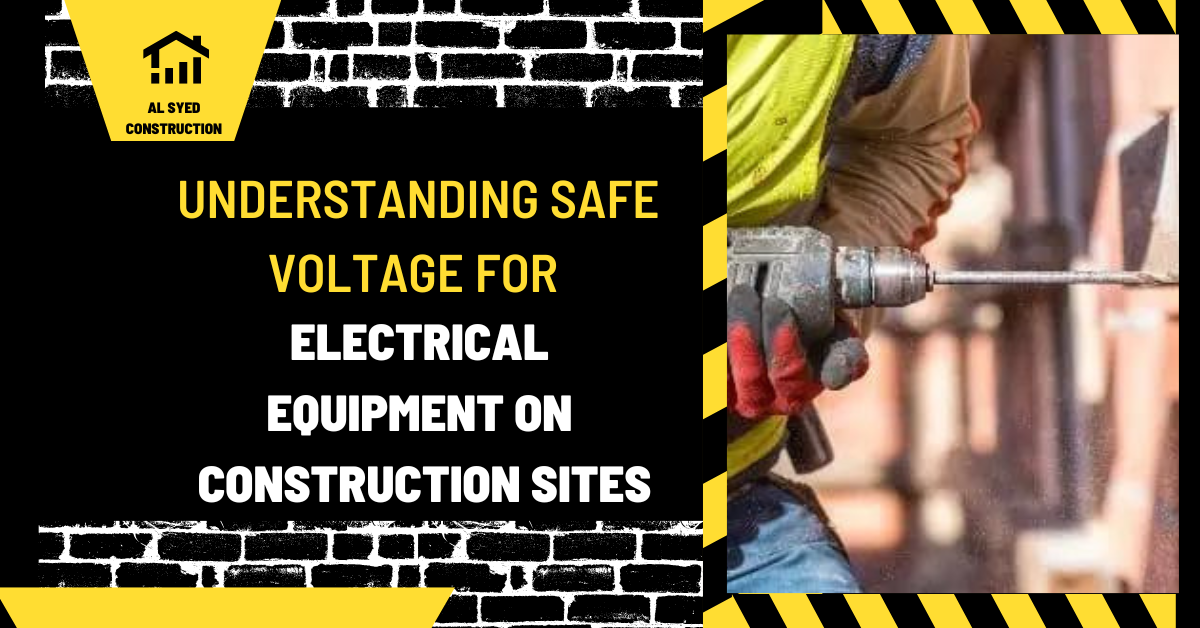
Electrical Voltage Safety on Construction Sites
Safety note: This article supports planning and review; it is not a procedure for working on energized equipment. Electrical installation, testing, fault diagnosis, and changes to electrical equipment belong with qualified personnel under the adopted code, approved plans, manufacturer instructions, and site safety requirements. Confirm local requirements with the AHJ.
Project review checklist for electrical Voltage Safety on Construction Sites
| Review point | What to verify | Why it matters |
|---|---|---|
| Scope | equipment identity, symptoms and timing | Prevents a generic term or product label from replacing the approved project requirement. |
| Coordination | qualified electrician, site supervisor, building owner or facility manager | Resolves location, sequence, and ownership before work is concealed or ordered. |
| Acceptance | visible damage or heat evidence, signs of arcing or odor, protection-device status | Leaves a verifiable record for inspection and future operations. |
For adjacent guidance, see Understanding GFCI in Construction: Importance and Ground Faults in Construction: Causes and Prevention. These companion articles cover related stages of U.S. electrical planning and construction.
Introduction to Electrical Safety
In the dynamic environment of construction sites, ensuring the safety of electrical equipment is paramount to prevent accidents, injuries, and damage. Understanding what voltage is considered safe for using electrical equipment is crucial for all personnel involved in construction activities.
What Voltage is Safe for Using Electrical Equipment on a Construction Site?
Determining the safe voltage levels for electrical equipment on construction sites involves adhering to industry standards and regulatory requirements to mitigate risks effectively. Here’s a comprehensive guide:
Low Voltage vs. High Voltage
1. Low Voltage:
- Low voltage typically refers to electrical systems that operate at 50 to 1000 volts alternating current (VAC) or 120 to 1500 volts direct current (VDC). This range is common for portable tools, lighting, and small machinery on construction sites. It is considered safe for use without significant risk of electric shock or electrocution when proper precautions are observed.
2. High Voltage:
- High voltage systems, on the other hand, exceed the low voltage range and can range from 1000 VAC upwards. These systems require specialized handling and protective measures due to the increased risk of electric shock and severe injuries.
Safety Standards and Regulations
1. OSHA Standards:
- The Occupational Safety and Health Administration (OSHA) in the United States sets forth guidelines for electrical safety on construction sites. OSHA’s regulations mandate adherence to specific voltage limits and safety practices to protect workers from electrical hazards.
2. National Electrical Code (NEC):
- The NEC provides detailed standards for electrical installations, including voltage considerations, grounding, and equipment requirements to ensure safety and compliance with national codes.
Factors Influencing Safe Voltage Levels
1. Environmental Conditions:
- Factors such as moisture, dust, and temperature variations can affect the safe operation of electrical equipment. Insulation and protection against environmental elements are critical.
2. Equipment Design and Maintenance:
- Proper design, regular inspection, and maintenance of electrical equipment contribute to safe operation. Ensuring equipment is rated for the voltage and conditions of the construction site is essential.
Safe Practices and Mitigation Strategies
1. Training and Certification:
- Personnel working with electrical equipment should receive adequate training on safe practices, emergency procedures, and recognizing hazards associated with voltage.
2. Personal Protective Equipment (PPE):
- The use of appropriate PPE, such as insulated gloves, footwear, and protective clothing, helps mitigate the risk of electric shock and enhances safety on construction sites.
Conclusion
In conclusion, understanding what voltage is considered safe for using electrical equipment on a construction site is imperative for maintaining a safe working environment. Adhering to industry standards, regulatory requirements, and implementing robust safety practices are fundamental in preventing electrical hazards and ensuring the well-being of workers.
What electrical Voltage Safety on Construction Sites means in project context
A useful review begins with the question the project must answer, then checks that the drawing, specification, and field language all point to the same result. For this topic, the key is reduce exposure to shock, fire, or equipment damage by identifying the condition, stopping unsafe use where appropriate, and assigning inspection and correction to qualified personnel. That distinction matters because a similar-looking term, component, or installation may serve a different system function. Read the item together with its drawing note, schedule, specification, and approved submittal. If these disagree, record the exact sheet, location, and conflict and request clarification before procurement or concealment. This keeps the article’s general explanation separate from decisions that belong to the project engineer, electrical contractor, manufacturer, or AHJ.
Inputs to settle before work begins
Before selecting or laying out electrical Voltage Safety on Construction Sites, gather equipment identity, symptoms and timing, circuit and environment, approved design, applicable manufacturer instructions, site safety procedures, and the adopted code and jurisdictional requirements. Put these inputs in one review set rather than relying on assumptions carried from a previous job. Confirm which revision governs and who owns each decision. Where the documents omit information, make a concise RFI that identifies the location, the conflicting details, and the proposed options without presenting an unapproved option as accepted. This sequence reduces late substitutions and gives purchasing, field crews, and inspectors a consistent basis for review.
Coordination with adjacent work
The coordination list for this subject includes qualified electrician, site supervisor, building owner or facility manager, equipment manufacturer when relevant, other users of the affected circuit, and the AHJ or utility when required. Hold the review early enough that one trade’s route or equipment choice does not force another trade into a concealed conflict. Mark the relevant access zones and interfaces on coordinated drawings, including where work crosses a structural element or rated enclosure. Assign a person to close every clash and update the affected documents. A meeting note alone is not a design revision: field teams should work from the approved response or updated drawing.
Quality checks before acceptance
A practical inspection for electrical Voltage Safety on Construction Sites compares the installed condition with the approved design and the applicable product instructions. Review visible damage or heat evidence, signs of arcing or odor, protection-device status, verified circuit condition by qualified personnel, proper grounding and bonding under the design, and documented corrective action. Use the project’s required tests and inspection points; do not invent a numerical acceptance limit from a general article. Record the location, equipment or pathway identifier, date, reviewer, result, and any corrective action. For work that will be concealed, take clear photographs while the relevant interfaces remain visible and confirm that required inspections have occurred before close-in.
Common causes of rework
Teams can prevent common problems by watching for repeatedly resetting a tripping device, continuing to use a hot or burnt outlet, guessing at the cause from appearance, replacing a protective device with a different type, or treating a symptom without checking the underlying circuit. Most of these issues begin as coordination gaps rather than difficult technical failures: a drawing revision is missed, an access zone is blocked, a responsibility boundary is unclear, or installation starts before a pending decision is closed. A short pre-installation review should identify the current drawing set, sequence, inspection hold points, and person to contact when field conditions differ. Stop and document a conflict instead of making an undocumented change that later trades cannot see.
A project example
Consider this illustrative situation: a receptacle shows discoloration during a walk-through; the team takes it out of service, alerts the responsible supervisor, and arranges a qualified inspection rather than asking occupants to test or repair it. The useful lesson is the decision path, not a universal product or dimension. The team compares the actual condition with the approved documents, identifies the authority for the decision, checks adjacent trades, and captures the approved outcome. If a different building, code edition, product, or utility interface is involved, the details may change. Use the example as a checklist for questions to ask, then rely on project-specific engineering and inspection.
Closeout and future maintenance
The value of a correct installation can be lost if future teams cannot identify or reach it. Preserve hazard report, equipment and circuit identification, isolation and verification notes as required by the safety program, inspection findings, repair approval, and return-to-service record. Make sure the final record reflects approved field changes instead of copying an early design unchanged. Labels should agree with schedules and equipment directories, and the owner should receive the documents needed to locate, operate, inspect, or maintain the system. When a component is expected to be replaced or accessed later, explain that access in the handover notes so finishes, storage, and landscaping do not obscure it.
How to handle unresolved terminology or scope
If electrical Voltage Safety on Construction Sites is named differently in a drawing, product sheet, or field conversation, compare the exact wording and surrounding context before choosing a definition. Note the sheet or specification section, the system involved, and whether the difference affects product selection, routing, safety, price, or inspection. A project glossary or submittal can help, but it does not override an approved design revision. Send a focused clarification request when the intent remains uncertain, and distribute the response to the estimator, purchaser, foreperson, and inspector who rely on it.
Frequently Asked Questions
What should happen when an outlet is hot or charred?
The project meaning is the one established by its approved drawings, specification, schedule, and product documents. A general definition helps explain the concept, but it cannot settle a conflict between project records. Identify the exact sheet and location, then ask the responsible designer for clarification if the meaning changes scope or installation.
More Questions About electrical Voltage Safety on Construction Sites
Who should diagnose a fault?
Start with the latest approved plan and the relevant schedule or specification. Compare the system purpose, physical location, product data, and handoff to other trades. For electrical Voltage Safety on Construction Sites, the most important inputs include equipment identity, symptoms and timing, circuit and environment. If a required value or approval is missing, leave it open for the project team rather than guessing.

Leave a Reply
Want to join the discussion?Feel free to contribute!