
Construction Paper Crayons: Uses and Selection
Introduction
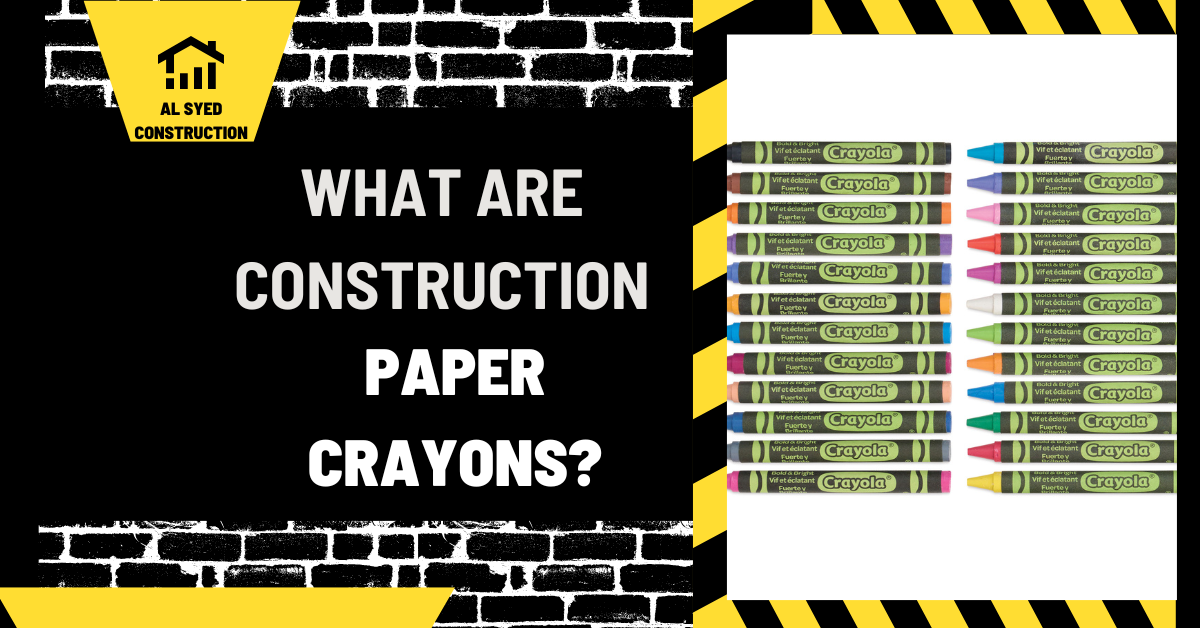
Construction paper crayons are a specialized type of crayon designed specifically for use on construction paper and other similar rough or dark-colored surfaces. Unlike regular crayons, they are formulated to provide bright, vibrant colors and smooth application on these types of paper, making them a popular choice for arts and crafts projects in schools and at home.
Features of Construction Paper Crayons
Enhanced Pigmentation
Construction paper crayons contain a higher concentration of pigments compared to regular crayons. This allows them to produce bold and vivid colors that stand out on darker or more textured papers.
Smooth Application
These crayons are designed to glide smoothly over rough surfaces without skipping or dragging. This makes them easier to use for children and helps in creating more consistent and even artwork.
Durability
Construction paper crayons are typically more robust and less prone to breaking than regular crayons. This durability is essential for withstanding the pressure required to color on thicker and textured papers.
Benefits of Using Construction Paper Crayons
Versatility
Construction paper crayons can be used on a variety of paper types, including construction paper, kraft paper, and cardboard. This versatility makes them a valuable tool for a wide range of creative projects.
Creativity Enhancement
The bright and opaque colors produced by these crayons can inspire creativity and allow for more expressive artwork. They are particularly useful for projects that involve layering colors or creating bold outlines.
Choosing the Right Construction Paper Crayons
Quality Brands
When selecting construction paper crayons, it’s important to choose reputable brands known for their quality and consistency. Higher-quality crayons will provide better color payoff and a more enjoyable coloring experience.
Color Selection
Consider the range of colors available in the crayon set. A diverse palette will offer more options for creativity and allow for a broader range of projects.
How construction-paper crayons differ in use
Construction-paper crayons are products marketed for coloring on colored craft paper and similar classroom materials. Their visible result depends on the crayon formula, paper color and texture, pressure, and lighting. A color that appears vivid on white paper may look muted on dark blue or brown paper. The word “construction” here refers to craft paper, not a building surface or a construction-site marking crayon.
Some product ranges include bright or opaque-looking colors intended to show on colored sheets, bags, or cardboard. That is product-specific: read the manufacturer’s description and test the exact crayon on the intended paper. For example, Crayola describes one construction-paper crayon set for use on construction paper and craft materials; that product listing should not be treated as evidence about every brand or formula. Review the manufacturer’s product description and check the current package for age and use guidance.
Choose colors for contrast
On light sheets, dark blue, green, red, and brown may create strong contrast. On dark paper, test light or bright colors and consider layering, but do not assume every crayon can produce a fully opaque mark. Set a sample strip beside the actual project under the room’s lighting. If several children are using the same palette, label the sample swatches so they can repeat a color choice.
Contrast affects readability as much as appearance. A label, diagram, or classroom display should remain easy to read from a few steps away. Use a simple test: write the smallest planned text on a scrap sheet, place it at the display distance, and check whether the letters remain distinguishable. If not, choose a lighter paper, darker crayon, or larger lettering.
Use a technique that protects the paper
- Start with light pressure and build the color gradually; heavy pressure can dent thin sheets.
- Color in one direction for a smoother fill, then add a second layer across the first if the product allows it.
- Keep the sheet flat on a clean surface so the paper does not shift or crease.
- Use a separate scrap to test blending or layering before applying it to the finished work.
- For very small details, sharpen only as directed by the manufacturer and keep debris away from the work.
Crayons can transfer to hands, desks, or another sheet stacked on top. Place a clean protective page between finished drawings and avoid rubbing the artwork while it is being stored. If the finished piece will be laminated or mounted, test the crayon and surface together first because some coatings or adhesives may affect the appearance.
Plan a classroom activity
For a shared art activity, give each student a small practice square in the same paper color as the final project. Ask students to test pressure, layering, and color visibility, then choose a small palette. This can reduce wasted sheets and help children understand how background color changes the look of a crayon. If the goal is a high-contrast display, agree on a limited set of colors before the class begins.
Consider age, supervision, and allergies or sensitivities when selecting supplies. Follow the packaging for safe use and cleaning. Keep crayons away from heat and store them in a labeled container so they do not mix with lumber crayons or other marking tools. A craft crayon may not adhere or remain legible on wood, concrete, or other jobsite surfaces; use a product explicitly designed for those materials.
Compare the product with the paper
Paper weight, texture, and color can change how a crayon performs. A rough sheet may create a broken-looking stroke; a smoother sheet may make color appear more even. Thin paper can wrinkle if the user presses too hard, while dark stock may need a brighter color to remain visible. Keep one sample sheet with the finished materials so later additions can be tested for a close match.
If you are buying both items, first compare the available sheet sizes and colors in the paper-size overview. For a separate product question about paper pulp and labels, use the guide to sulphite construction paper. Keep the craft supplies distinct from jobsite layout crayons such as the lumber-marking crayon guide; their intended surfaces and use differ.
Activities that use construction-paper crayons
For a color-contrast activity, give students the same drawing on a light and dark sheet, then ask them to test which crayons remain readable. Have them record the paper color, crayon color, and pressure so they can reproduce the result. For a poster, sketch the lettering first and test the smallest text from the planned viewing distance. If the words disappear into the background, change the paper or crayon before completing the display.
Construction-paper crayons can also be used for rubbings or layered drawings, but test the surface and technique on scrap paper first. A rough texture may make the mark look uneven; a smooth surface may show pressure variations more strongly. Avoid pressing hard enough to emboss or tear thin sheets. If layering multiple colors, check whether the crayons blend or sit separately according to the product instructions.
Store artwork and supplies well
Let drawings dry if they include glue, paint, or marker. Store them flat with a clean sheet between artworks to reduce transfer and smudging. Keep crayons in a labeled box, away from heat, and separate them from lumber-marking crayons. The materials may look similar, but they are made for different surfaces and uses.
When a class needs consistent colors, retain one labeled sample sheet and use it as a reference for later sessions. Replace supplies when the labels or colors become difficult to identify. Follow manufacturer guidance for age range and cleanup, and supervise younger children with any sharpener or cutting tools.
Construction-paper crayons versus lumber crayons
The similar names can lead to a practical mix-up. Craft crayons are sold for drawing on paper and classroom surfaces. Lumber crayons are formulated to mark wood, concrete, or other jobsite materials, with product-specific choices for temperature, moisture, and surface texture. A school crayon should not be assumed to make a durable, legible mark on lumber, and a lumber crayon may be unsuitable for artwork or finished interiors.
Store the two types separately and label their containers. For jobsite marking, follow the manufacturer’s surface and safety information in the keel-crayon guide. For craft work, check the paper-crayon product instructions and test on a scrap sheet.
Clean up without damaging the paper
For ordinary crayon marks on paper, use a clean eraser only if the sheet and product permit it; rubbing too hard can roughen or tear the fibers. Do not use solvents or household cleaners on artwork unless the manufacturer recommends them, because they can spread color or stain the paper. Store finished projects flat and keep them away from heat, which can soften wax-based crayons.
For a classroom, keep one labeled sample of each paper-and-crayon combination so a replacement supply can be tested against the original result.
Conclusion
Construction paper crayons are a valuable tool for artists, teachers, and parents alike. Their enhanced pigmentation, smooth application, and durability make them ideal for use on construction paper and other rough surfaces. By choosing high-quality crayons and considering the color selection, users can unlock a world of creative possibilities and bring their artistic visions to life.

Leave a Reply
Want to join the discussion?Feel free to contribute!