Sulphite Construction Paper: Pulp and Uses
Introduction
Sulphite construction paper is a widely used material in arts and crafts, educational settings, and various construction projects. Known for its durability, versatility, and vibrant colors, this type of paper is a favorite among teachers, students, and artists. In this article, we’ll explore the composition, properties, and applications of sulphite construction paper, as well as its significance in creative and educational contexts.
Composition and Properties
Manufacturing Process
Sulphite construction paper is made from wood pulp that has undergone the sulphite pulping process. This method involves treating wood chips with sulphite salts to break down the lignin, a natural binder in wood, resulting in a fine, smooth pulp.
Characteristics
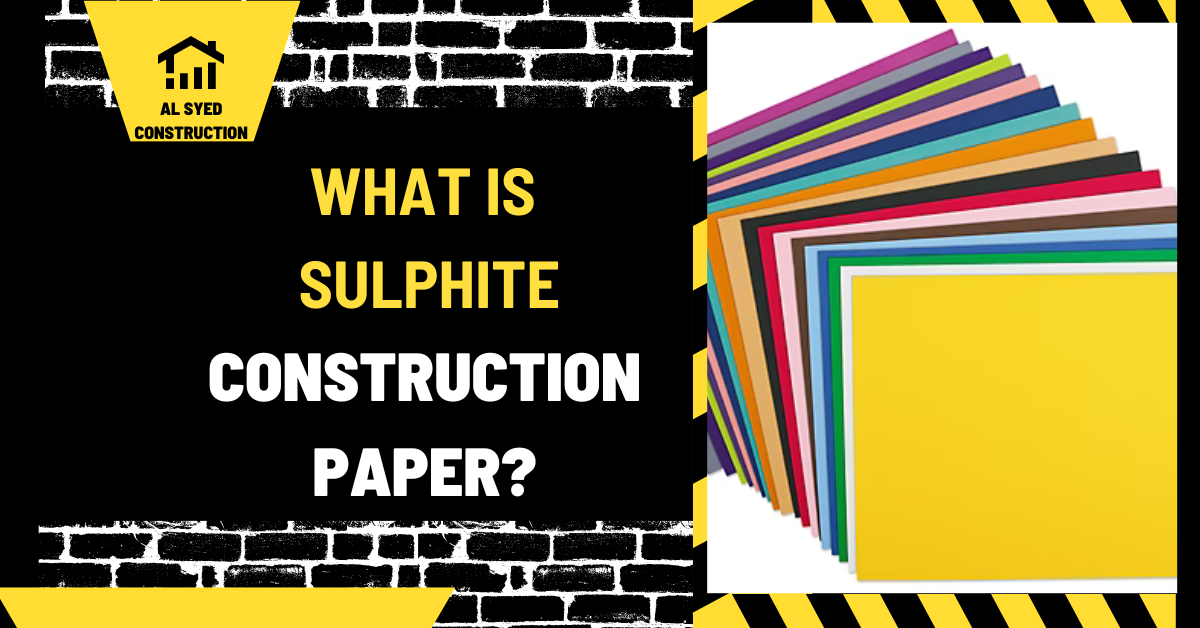
The paper is characterized by its smooth texture, uniform color, and strength. It is thicker and more durable than regular paper, making it ideal for various crafting and construction activities. The vibrant colors of sulphite construction paper are achieved through the use of dyes that are added during the manufacturing process.
Applications in Education and Crafts
Arts and Crafts
Sulphite construction paper is a staple material in art classrooms and craft studios. It is used for a wide range of projects, including collage, paper sculpture, and card making. Its ability to hold folds and cuts without tearing makes it suitable for intricate designs.
Educational Activities
In educational settings, sulphite construction paper is used for visual aids, bulletin board displays, and hands-on learning activities. Its vibrant colors and ease of use make it an effective tool for engaging students and enhancing creativity.
Advantages and Considerations
Environmental Considerations
While sulphite construction paper offers many advantages for arts and crafts, it is important to consider its environmental impact. The sulphite pulping process can produce waste products that need to be managed responsibly. Choosing recycled or sustainably sourced sulphite construction paper can help mitigate these concerns.
Versatility and Accessibility
One of the key advantages of sulphite construction paper is its versatility. It can be easily cut, glued, and manipulated to create a variety of shapes and structures. Additionally, its wide availability and affordability make it accessible to a broad range of users, from professional artists to young students.
What sulphite means in papermaking
“Sulphite” refers to a chemical pulping process and the pulp made through that process. In traditional sulphite pulping, wood chips are processed using a sulphite-based cooking liquor to separate fibers from components that bind them in the wood. The resulting pulp can be used to make paper, but the exact properties depend on the wood, process, refining, additives, and finishing. The word alone does not specify a paper’s weight, color, stiffness, archival quality, or intended use.
In craft and school retail, “sulphite paper” can be used as a product description, but packages and brands differ. A teacher or buyer should check the manufacturer’s specification for sheet size, weight, finish, color, and intended applications. Do not assume every colored construction-paper sheet is made by a sulphite process, or that a product called sulphite paper has one universal performance level.
How it differs from kraft paper
Sulphite and kraft are names associated with different pulping processes. The kraft process uses a sulphate-based chemical process and is often associated with strong packaging papers, though the final properties depend on the mill and product. The Smithsonian’s paper collection describes the kraft process as processing cellulose pulp with sulfate to increase paper strength in the documented samples. That is useful historical context, not a specification for every modern kraft product. See the Smithsonian paper-pulp collection note.
Both process names refer to how fibers are produced, not a guarantee that a finished sheet will suit a particular craft or building application. A finished product may be coated, colored, calendered, or combined with other materials. A consumer should rely on the product data and intended use, not infer performance from the pulping term alone.
What to check on a product label
| Label detail | Why it matters | Where to confirm |
|---|---|---|
| Sheet or roll dimensions | Determines whether the material fits the project layout. | Package, manufacturer listing, or data sheet. |
| Weight or thickness | Affects folding, cutting, opacity, and stiffness. | Technical specifications; compare the same measurement system. |
| Finish and color | Changes how crayons, markers, ink, and glue behave. | Sample sheet and current product description. |
| Intended use | Separates art paper from packaging or construction products. | Manufacturer’s application statement and project specification. |
| Acid or archival statement | Relevant when long-term storage or conservation matters. | Explicit product data; do not infer from “sulphite.” |
Use sulphite craft paper appropriately
For classroom work, test how the sheet accepts the intended medium. Thin paper can wrinkle under wet paint or glue; a textured surface may leave gaps in crayon coverage. Make a sample fold before using the paper for a box or booklet. If the project will be displayed, consider whether colorfastness and light exposure matter. Do not use ordinary craft paper where a building specification requires a vapor-control, weather-resistive, fire-rated, or structural product.
When the product is sold as construction paper, compare its format with the construction-paper size guide and its cost with the paper cost comparison. Those articles concern retail craft formats and purchasing decisions; they do not certify the paper for building use. For construction work, use the named product and performance requirements in the project documents.
Do not infer archival quality from the process name
A sheet described as sulphite paper is not automatically acid-free, permanent, or suitable for archival storage. Those properties depend on the finished sheet and should be stated by the manufacturer. If a document or artwork must last, check for an explicit acid-free or archival claim and follow conservation guidance. Store important work away from sunlight, moisture, and pollutants regardless of the pulp label.
Similarly, sulphite process does not mean that every sheet is white or smooth. Color, surface, opacity, strength, and stiffness can be changed through finishing and additives. A craft pack may prioritize color and ease of cutting; an industrial paper may be made for a different process. Compare product specifications rather than relying on one word on a package.
Why the term appears in craft classrooms
Some school-supply listings use sulphite paper to distinguish a smooth, colored art sheet from construction paper with a more textured or absorbent surface. Retail naming is not uniform, so inspect the actual product. If a lesson requires markers, watercolor, folding, or collage, run a small test with the same medium and adhesive the class will use. A teacher can then check bleeding, buckling, tearing, and how clearly colors appear.
For group purchases, note the brand, product code, sheet size, weight, color, and count. Keep a sample in the classroom supply record so future orders can be matched. If the product has been discontinued, choose a substitute based on performance rather than the similar sounding name. The paper size guide can help compare craft dimensions; size alone does not establish pulp type or archival quality.
Process history and environmental context
Industrial pulping methods separate usable fibers from wood and other plant material. The chemical process influences the pulp and wastewater streams, while mill controls and product finishing affect the overall environmental profile. A consumer should not infer that one process is universally safer or more sustainable based only on the word “sulphite.” Environmental claims require details about sourcing, energy, chemical recovery, water treatment, and certification.
For historical context, the Smithsonian’s paper collections document early sulphite-process papermaking in the United States. That history explains where the terminology comes from; it does not describe the manufacturing details of every paper product sold today. Use current manufacturer data for a specific sheet and avoid treating a historical process description as an environmental certification.
Questions to ask a paper supplier
Ask whether the paper is intended for drawing, printing, folding, packaging, or another use. Confirm dimensions, sheet count, finish, basis weight, color, and any stated archival properties. If the supplier uses “sulphite” as a category, ask for the manufacturer specification and do not assume the term defines every performance characteristic.
For an art class, request a sample pack before a large order. Test the crayons or markers, fold a sample, and check how glue affects the sheet. For records that must be kept, choose a product with explicit preservation claims and store the work appropriately. For building work, use the construction documents and product approvals, not craft-paper terminology.
Choose paper by the project, not a pulp label
For drawing and craft work, sheet size, finish, stiffness, and color often matter more to the user than the pulping process. For archival storage, explicit preservation claims matter. For packaging or building applications, performance specifications matter. The word sulphite alone does not answer any of those questions.
Keep product packaging or a link to the manufacturer’s current data with your purchase notes, especially if you need to reorder the same paper later.
Conclusion
Sulphite construction paper is a valuable material in the world of arts and crafts, education, and construction. Its strength, vibrant colors, and versatility make it suitable for a wide range of creative and educational applications. By understanding its properties and uses, educators, artists, and craft enthusiasts can effectively incorporate sulphite construction paper into their projects, fostering creativity and learning while being mindful of environmental considerations.