
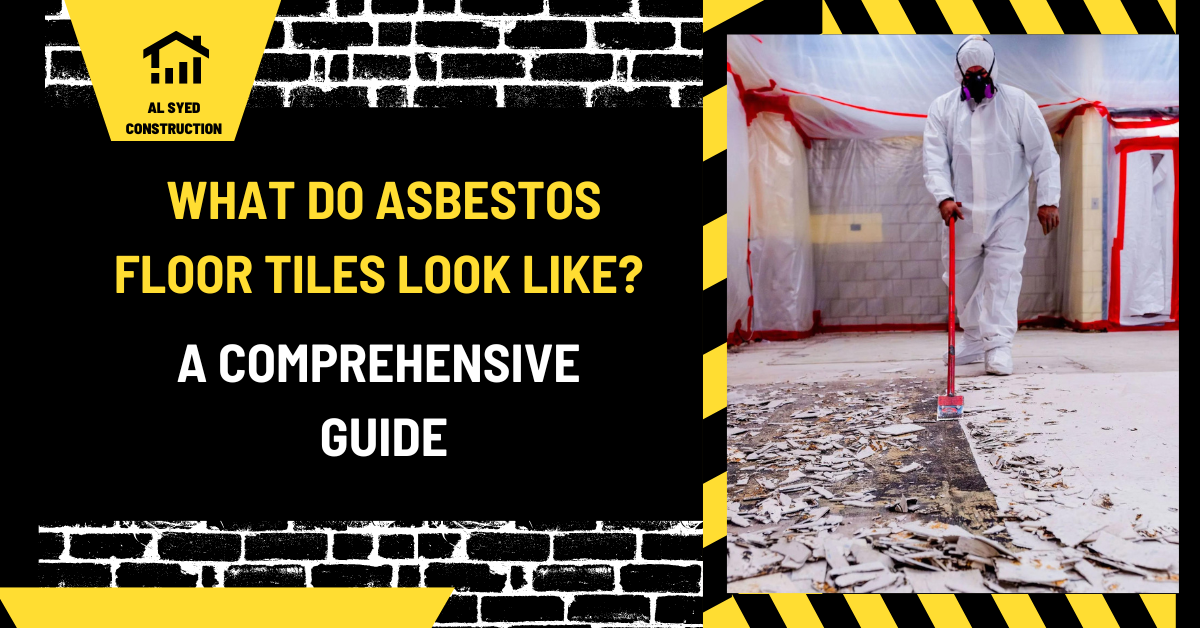
What Do Asbestos Floor Tiles Look Like?
Asbestos floor tiles do not have one dependable appearance. Some older tiles that contained asbestos were 9 by 9 inches, while other sizes, colors, patterns, and shapes were also used. A tile’s age, size, marbling, backing, or adhesive can raise a question, but none of those clues can confirm whether asbestos is present. The only reliable way to identify asbestos in a flooring material is appropriate sampling and analysis by a qualified professional or laboratory following local rules.
If you find old vinyl tile, sheet flooring, backing, or black adhesive during a renovation, do not cut, sand, grind, drill, scrape, or pull it up to “check.” Intact material that is in good condition may not release fibers unless it is disturbed, but the safest decision depends on the material, condition, location, and planned work. Stop work and arrange an assessment before disturbing it.
Why appearance is not enough
Asbestos was incorporated into a range of building products, and flooring changed over time. Some products were made in small square formats; others were larger, patterned, or installed as sheet flooring. Modern products can imitate older designs, and non-asbestos materials can look similar. A photograph or visual inspection cannot reliably distinguish fibers in a tile or adhesive.
Common clues that may prompt caution include a floor that appears to be from an older renovation, small square tiles, a layered sheet product, felt-like backing, or dark adhesive beneath a floor. These are clues for deciding not to disturb the material, not a diagnosis. Conversely, a large tile, a new-looking finish, or a light-colored adhesive does not prove the absence of asbestos.
Age is also an imperfect guide because buildings are renovated in layers and materials may have been installed years after construction. A newer top layer can sit over older tile or adhesive. A property record may omit past work. If the work will disturb hidden layers, assess the entire assembly rather than only the visible surface.
Where asbestos may be found in flooring
Potentially asbestos-containing flooring can include vinyl composition tile, asphalt tile, some sheet floor products, backing or felt, and adhesives. Other adjacent building materials may also need evaluation depending on the project. The visible wear layer is not the only concern; backing and mastic can remain after the top layer is removed. A renovation plan that addresses only the surface tile may still disturb material below it.
Black or dark floor adhesive is sometimes called cutback adhesive. Its color alone does not establish asbestos content, and not every dark adhesive contains asbestos. Do not use a grinder or abrasive tool to remove it. If testing is appropriate, a qualified professional can determine which layers and samples need assessment and how to handle them under local requirements.
Flooring can be covered by carpet, laminate, wood, or newer vinyl. Before a demolition project, identify what lies beneath any later finish. Avoid peeling back layers solely to investigate. A building professional can review records, inspect exposed edges if already present, and recommend testing without unnecessary disturbance.
What asbestos fibers mean for safety
Asbestos is hazardous when microscopic fibers become airborne and are inhaled. A person cannot reliably see or smell those fibers. Risk depends on exposure, material condition, disturbance, and work practices. Intact flooring that remains undisturbed is different from material being cut or broken during demolition, but homeowners should not use visual appearance to decide that a material is safe to disturb.
Activities such as sanding, drilling, scraping, dry sweeping, and using a household vacuum can spread dust if asbestos-containing material is present. Ordinary masks and improvised cleanup are not a substitute for a compliant work plan. Never use compressed air or a dry brush on suspected material. Keep occupants and pets away from a work area where material has been disturbed.
Regulations and required qualifications vary by location and the type and size of work. Before renovation or demolition, contact the appropriate local environmental or building authority and a qualified asbestos inspector or abatement contractor. The right next step depends on the building, the material, and the scope of work.
What to do if you suspect asbestos tile
Stop the activity that could disturb the flooring. Do not pry up a corner, break a tile, or collect a sample yourself unless a qualified authority specifically directs a safe procedure. Keep traffic low, avoid dragging furniture over the area, and prevent children or pets from entering an active work zone. If the material is intact, avoid unnecessary handling while arranging professional guidance.
Write down where the material is, what work was planned, and whether it is damaged, dusty, or already exposed. Photograph it from a distance without touching it. Tell contractors and future owners that it has not been tested, so no one unknowingly sands or removes it. Keep the information with the renovation records.
A qualified professional can advise whether sampling is appropriate, how many materials need analysis, and whether the work can proceed with the flooring left in place, enclosed, or professionally removed. If the project does not require disturbing it, leaving sound material in place may be an option, but that decision should be made for the actual site and applicable rules.
Testing and professional assessment
Testing generally involves collecting representative samples and analyzing them by an appropriate laboratory method. Sampling can itself disturb material, which is why a trained professional is preferable. A survey should identify the material layers, sample locations, condition, and limitations of the inspection. One negative sample from one room may not represent a different product elsewhere in the building.
Ask the inspector about qualifications, the laboratory, chain of custody, and how results will be reported. The report should distinguish tested materials from materials not inspected or inaccessible. If a material is confirmed to contain asbestos, ask what options are appropriate for the planned work and who is authorized to perform them.
Do not accept a verbal assurance based only on tile size, color, or a contractor’s past experience. Keep the written test results and scope. If demolition plans change, reassess whether other layers or locations will be disturbed.
Repair, cover, or remove
Depending on condition and project scope, options may include leaving intact flooring undisturbed, managing it in place, installing a compatible new floor over it, or using a qualified contractor to remove it. Covering is not automatically appropriate: the old floor must be stable, the new product must accept the substrate, height and transitions must work, and building rules must allow the approach. Do not encapsulate loose or damaged material without a professional plan.
Removal can create exposure if not properly planned. A qualified abatement contractor follows applicable controls for containment, handling, disposal, and clearance. The required approach varies with the material and jurisdiction. Do not attempt a do-it-yourself demolition based on online photos or generic instructions.
If a tile is cracked or a small area is damaged, keep people away and get professional advice. Avoid sweeping fragments or using a vacuum. Do not tape, paint, or apply a household sealant as an improvised repair unless a qualified professional recommends a specific method.
Planning a renovation around old flooring
Before remodeling a kitchen, bathroom, or hallway, include a hazardous-material assessment in the schedule if old layers may be disturbed. Testing early can prevent a work stoppage after cabinets are removed or a contractor begins demolition. Include assessment, permitted handling, disposal, substrate repair, and replacement material in the budget.
Share the assessment with every trade that might cut into the floor. Plumbing, electrical, cabinet, and flooring work can all disturb the material. Mark areas clearly and maintain the project’s controls. If a new layer is installed over existing tile, preserve records so future renovation teams know what lies below.
When choosing replacement flooring, account for finished height, doors, appliances, stairs, and accessibility. Some resilient products may be suitable over a stable existing floor when manufacturer instructions permit, but asbestos concerns must be handled first. For general floor planning, compare the whole system and do not use a covering material as a substitute for hazard management.
Common myths about asbestos floor tiles
One myth is that every 9-by-9-inch tile contains asbestos. Tile size alone cannot prove the result. Another is that newer-looking flooring must be safe; later layers may cover an older product. A third is that a tile is harmless because it is hard. A brittle material can release fibers if it is cut, broken, or abraded.
It is also inaccurate to say that all asbestos flooring must be removed immediately. The condition and proposed disturbance matter, and professional management may be an option. Removal is not automatically safer if it is done without controls. A qualified assessment provides a site-specific choice.
Finally, a home test kit or online photo comparison should not replace an appropriate professional survey and laboratory analysis. If the material is unknown, treat it cautiously until it is assessed.
Frequently asked questions
Can I identify asbestos tile by its color?
No. Color and pattern are not reliable tests. Similar-looking products can have different compositions.
Does every old floor tile contain asbestos?
No. Age may justify caution, but only appropriate testing can identify a specific material.
Can I put new flooring over suspected asbestos tile?
Possibly, if the material is stable and the new system permits the substrate, but get professional guidance and follow local requirements before work.
What should I do if the tile is already damaged?
Keep people away, avoid sweeping or vacuuming, and contact a qualified asbestos professional or local authority for instructions.
For related planning, read our guide on how to identify asbestos floor tiles safely before a renovation affects an older floor.



Leave a Reply
Want to join the discussion?Feel free to contribute!