
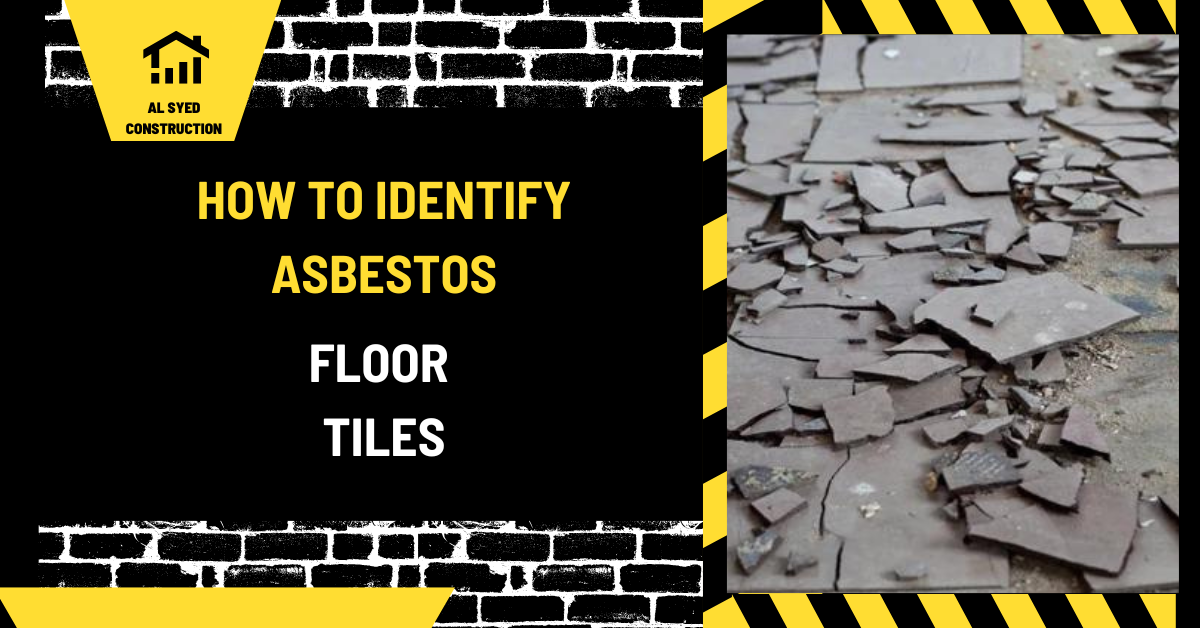
How to Identify Asbestos Floor Tiles Safely
You cannot reliably identify asbestos floor tiles by looking at them. Tile size, age, color, pattern, backing, and adhesive may raise a concern, but none confirms whether asbestos is present. The dependable way to identify a specific flooring material is appropriate sampling and laboratory analysis arranged or performed by a qualified professional under the applicable rules. If a renovation will cut, drill, scrape, lift, or grind old flooring, pause until the material has been assessed.
Potentially asbestos-containing materials may include vinyl or asphalt floor tile, sheet flooring backing, and adhesive beneath the floor. A newer finish can cover older layers. Removing only the visible layer can still disturb the backing or mastic below. Treat unknown material cautiously and avoid DIY tests that require breaking or scraping the floor.
Understand visual clues and their limits
Some older floor tiles are small squares, including 9-by-9-inch formats, and some have marbled or speckled designs. Certain adhesives are dark or black. These are commonly mentioned clues, but they are not diagnostic. Many non-asbestos products share the same dimensions and appearance, while asbestos-containing products may look different. Newer reproductions can imitate older patterns.
Building age can help decide whether to investigate, but it cannot identify the floor. Renovations add layers over time; a home built in one decade may contain flooring from another. A property may have vinyl tile under carpet or a modern floating floor. Records can be incomplete. Inspectors should consider the whole assembly and the work planned, not just the top surface.
Visual inspection also cannot reveal fibers inside the tile or adhesive. Asbestos fibers are microscopic and cannot be seen or smelled. A photo comparison or online checklist may help someone recognize a reason for caution, but it cannot clear a material as asbestos-free.
Where to look during a renovation assessment
Look for already exposed edges at transitions, floor registers, thresholds, or missing sections without prying the material. A professional can identify whether there are multiple layers, what type of substrate is underneath, and which materials may be disturbed by the project. Do not remove a vent cover or pull back flooring solely to see what is below if doing so would damage the assembly.
Flooring materials of concern can include resilient tile, sheet-vinyl backing, felt layers, and adhesives. The material under the tile may be more important than the visible face. Other adjacent products in a renovation can also require evaluation. A survey should include the location and condition of materials that could be disturbed by planned work.
For a limited repair, assessment should still consider the exact room and product. A negative result from one sample does not automatically represent a different floor, adhesive, or layer elsewhere. Keep the report tied to specific material locations.
Safe response when material is unknown
Do not scrape, sand, grind, drill, cut, or break suspect tile or adhesive. Do not use a heat gun to soften adhesive. Avoid dry sweeping and household vacuuming if debris is present. Keep children, pets, and unnecessary workers away from a damaged area. If the material is intact, avoid unnecessary contact while you arrange professional advice.
Tell contractors that the floor has not been tested. Include the caution in the scope so no one begins demolition by assumption. Photograph the area from a distance, note any damage, and keep a record of the building’s renovation plans. Do not collect a sample yourself unless a qualified authority has provided a safe and compliant procedure.
If suspect material is accidentally disturbed, stop work, restrict access, and contact a qualified asbestos professional or appropriate local authority. Do not attempt cleanup with a broom, shop vacuum, compressed air, or ordinary household cleaner. The correct response depends on the amount, condition, location, and local requirements.
Professional sampling and laboratory analysis
A qualified inspector can determine which layers need sampling, how to collect samples safely, and whether the proposed project will disturb them. Sampling may involve small, controlled removal, so it should be planned to minimize fiber release. The sample should be representative of the material and sent to a laboratory using an appropriate analytical method.
Ask the inspector about credentials, insurance, laboratory accreditation, chain of custody, and how results will be reported. A useful report identifies the locations sampled, material layers, laboratory results, condition, and any inaccessible or untested areas. If the test finds asbestos, the report should not be interpreted as a general statement about all flooring in the building.
Before demolition, provide the report to the contractor and confirm that the work scope addresses each affected material. If plans change or extend into another room, update the assessment. Keep the report with the property and renovation records.
Interpreting a result
A laboratory report may identify whether asbestos was detected in the sample and may include a percentage or material description. Ask the professional to explain what the result means for the planned work and whether additional sampling is needed. Do not treat a result for tile as a result for its adhesive or backing unless those layers were included.
Where no asbestos is detected in a representative sample, follow the inspector’s scope and note any limitations. A negative sample does not cover different products or hidden areas that were not tested. The project team should avoid disturbing unassessed materials and request further review when new layers appear.
If asbestos is present, the material’s condition and whether it will be disturbed determine management options. A professional may recommend leaving it intact, covering it as part of an approved system, monitoring it, or using licensed abatement. Do not assume that removal is automatically required or that DIY removal is safe.
Repair, enclosure, and removal options
Intact material that will remain undisturbed may be managed in place under professional guidance. A compatible new floor may sometimes cover stable material, but height, substrate condition, product approval, and future access need consideration. Covering should not hide loose or damaged flooring or create a situation that later trades will unknowingly disturb.
Removal should be done by qualified workers using controls, containment, disposal, and clearance procedures required by the jurisdiction and material. The correct method varies with the amount and condition of material and the building type. A homeowner should not copy a generic online removal procedure or use ordinary dust masks and shop vacuums.
If only a small area is affected, the professional may advise a specific repair or management detail. Keep the rest of the floor intact and clearly document it. Do not apply an unapproved sealant, paint, or adhesive as an improvised encapsulation.
Planning the rest of the floor renovation
Testing early helps avoid a work stoppage after cabinets are removed or a contractor starts demolition. Include inspection, laboratory fees, possible abatement, disposal, substrate repair, and replacement materials in the schedule and budget. Confirm who is responsible for communicating results to trades and the building owner.
After the material is addressed, inspect the substrate for moisture, cracks, flatness, and structural condition. Select the new floor and underlayment as a complete assembly. Check finished height at doors, stairs, appliances, and transitions. Preserve documents and photos so future owners understand what remains below the finish.
For broader visual clues and household response, read our guide on what asbestos floor tiles may look like. That guide also emphasizes why appearance alone cannot confirm the material.
Common identification mistakes
The most common mistake is making a yes-or-no decision from size or color. Another is sampling only the top tile while ignoring backing and adhesive. People may also treat a newer floor as proof that old layers are gone, or assume that a single negative result applies throughout a building. Professional assessment avoids these gaps.
Do not disturb material to make it easier to identify. Do not ask an unqualified flooring installer to scrape a sample. Do not begin work while waiting for results. Clear communication and a written survey protect occupants and workers from avoidable exposure.
Frequently asked questions
Can a 9-by-9 tile identify asbestos?
No. That size may be a cautionary clue, but it cannot establish whether the tile contains asbestos.
Can I test asbestos tile with a home kit?
Use a qualified professional and appropriate laboratory process. DIY sampling can disturb fibers and may not represent all layers.
Should asbestos floor tile always be removed?
No. A professional may recommend leaving intact material undisturbed, covering it, or arranging controlled abatement, depending on the project and local rules.
Can I install a new floor over it?
Possibly, but only after professional guidance confirms the material is stable and the new flooring system accepts the substrate.
Communication and building records
Once an assessment is complete, label or document locations in a way that future workers can understand without creating a public hazard. The owner should retain the report, lab results, floor plans, photographs, and any abatement or enclosure records. Share relevant information before maintenance or construction work. A new contractor may otherwise assume that a hidden layer is ordinary flooring and disturb it.
For multi-unit or commercial properties, assign responsibility for maintaining the material inventory and communicating updates. Record each room, layer, condition, and management method. Reassess when a leak, impact, renovation, or deterioration changes the condition. A report is useful only when it remains connected to the exact location and work scope it describes.
Homeowners should keep this information with other renovation documents and pass it to future contractors or buyers as required by local rules. Do not write a broad “asbestos-free” note based on a limited sample. State which materials were tested and which remain unassessed so the record is accurate.
Choosing the right professional
Ask whether the inspector is independent from the company proposing removal, what training and licensing apply locally, and which laboratory will analyze samples. A clear proposal should identify the inspection area, sample count, methods, reporting format, and limitations. For abatement, request a written work plan covering containment, worker protection, waste handling, cleanup, and any required clearance testing.
Confirm that the contractor understands the specific floor assembly and the rest of the renovation schedule. Plumbing and cabinet trades can disturb flooring around edges after the main removal is complete. The scope should address those interfaces and explain who will inspect hidden layers as they become exposed. Keep communication in writing.
Cost should be evaluated with the scope and controls, not only by the lowest price. A bid that omits testing, containment, disposal, or clearance may not be comparable to a complete compliant proposal. Ask the local authority what requirements apply before authorizing work.







Leave a Reply
Want to join the discussion?Feel free to contribute!