
What Industry is Construction In?
Overview
What Industry Is Construction In should be understood through its purpose, project setting, controlling documents, and the work it affects. This guide connects the topic to planning, design or scope decisions, coordination, construction checks, and handover rather than treating a label or estimate as a complete answer.
Use the source article's topic details with current project information. Local approvals, safety requirements, engineering decisions, and financial or legal treatment depend on the facts and responsible authority.
The construction industry is a pivotal sector that serves as the backbone of modern infrastructure and urban development. This industry is crucial for economic growth, societal advancement, and urbanization. It encompasses a wide range of activities related to the building, renovation, and maintenance of various types of structures and infrastructure. To gain a deeper understanding of the construction industry’s scope and its classification within broader economic frameworks, let us explore its various facets.
- Overview of the Construction Industry
- Defining the Construction Sector
- Economic Significance
- Industries Overlapping with Construction
- Real Estate
- Engineering
- Manufacturing
- Primary Sectors Within Construction
- Residential Construction
- Commercial Construction
- Industrial Construction
- Infrastructure Construction
- Economic and Employment Aspects of Construction
- Economic Contributions
- Employment Opportunities
- Challenges Facing the Construction Industry
- Economic Fluctuations
- Technological Advancements
- Regulatory and Environmental Challenges
- Future Trends in the Construction Industry
- Sustainability and Green Building
- Smart Construction Technologies
- Modular and Prefabricated Construction
- Conclusion
Overview of the Construction Industry
Defining the Construction Sector
The construction industry is involved in the creation of buildings, infrastructure, and other structures. It is a broad field that includes:
- Residential Construction: Building homes and apartments.
- Commercial Construction: Creating office spaces, retail buildings, and hospitality venues.
- Industrial Construction: Developing facilities like factories, warehouses, and power plants.
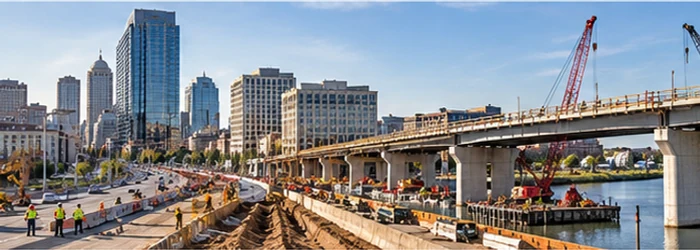
- Infrastructure Construction: Constructing roads, bridges, utilities, and public buildings.
Key Features:
- Project Lifecycle: From initial design and planning to construction and final inspection.
- Stakeholders: Includes architects, engineers, contractors, and project managers.
- Regulations: Adheres to local, national, and international building codes and standards.
Economic Significance
The construction industry contributes significantly to the global economy. It impacts:
- Gross Domestic Product (GDP): A substantial portion of GDP in many countries comes from construction-related activities.
- Employment: It provides millions of jobs worldwide, ranging from skilled trades to project management roles.
- Investment: Construction projects drive investment in materials, technology, and infrastructure.
Industries Overlapping with Construction
Real Estate
Real estate and construction are closely intertwined. Real estate development often initiates new construction projects. Key areas include:
- Property Development: Construction of residential and commercial properties that drive the real estate market.
- Market Trends: Changes in real estate trends influence construction activity and investment.
Engineering
Engineering plays a critical role in construction, providing the technical expertise necessary for building projects. This includes:
- Civil Engineering: Focuses on infrastructure projects such as bridges and highways.
- Structural Engineering: Ensures that buildings and other structures can support loads and resist environmental stresses.
- Environmental Engineering: Addresses environmental concerns related to construction and promotes sustainable practices.
Manufacturing
The manufacturing industry supplies essential materials and equipment for construction. Key aspects include:
- Building Materials: Production of materials like steel, concrete, and wood.
- Construction Equipment: Manufacturing of machinery and tools required for construction activities.
Primary Sectors Within Construction
Residential Construction
Residential construction involves building homes and living spaces. This sector includes:
- Single-Family Homes: Detached houses designed for one family.
- Multi-Family Buildings: Apartments, condos, and townhouses designed for multiple families.
Key Components:
- Design and Planning: Architectural design, site planning, and compliance with zoning laws.
- Construction Process: Site preparation, foundation work, framing, and finishing.
Commercial Construction
Commercial construction focuses on buildings used for business purposes. This sector encompasses:
- Office Buildings: Structures for business operations and administrative functions.
- Retail Spaces: Shopping centers, stores, and malls.
- Hospitality Venues: Hotels, resorts, and entertainment complexes.
Key Components:
- Project Management: Managing complex projects with various stakeholders.
- Design Requirements: Incorporating functionality, aesthetics, and adherence to building codes.
Industrial Construction
Industrial construction deals with facilities required for industrial operations. This includes:
- Manufacturing Plants: Factories and production facilities.
- Warehouses: Storage facilities for goods and materials.
- Power Plants: Facilities for generating electricity from different sources.
Key Components:
- Technical Specifications: Designing for heavy machinery and specialized equipment.
- Regulatory Compliance: Meeting environmental and safety regulations.
Infrastructure Construction
Infrastructure construction involves public works and essential utilities. This sector includes:
- Transportation Infrastructure: Roads, highways, bridges, and railways.
- Utilities Infrastructure: Water treatment plants, sewage systems, and power grids.
- Public Buildings: Schools, hospitals, and government facilities.
Key Components:
- Durability and Safety: Ensuring long-term performance and safety of infrastructure.
- Community Impact: Designing to enhance public services and meet community needs.
Economic and Employment Aspects of Construction
Economic Contributions
The construction industry has a profound impact on the economy. This includes:
- Investment Opportunities: Construction projects attract investment in various sectors.
- Economic Growth: Contributes to GDP and stimulates economic activity in related industries.
Employment Opportunities
The construction industry offers a wide range of job opportunities, including:
- Skilled Trades: Carpenters, electricians, plumbers, and masons.
- Project Management:
- Project Management: Roles in overseeing and coordinating construction projects.
- Engineering and Design: Positions for civil, structural, and environmental engineers.
Key Aspects:
- Job Creation: The industry is a major source of employment, offering diverse roles across different skill levels.
- Training and Development: Continuous training is essential for adapting to new technologies and maintaining high standards.
Challenges Facing the Construction Industry
Economic Fluctuations
The construction industry is highly sensitive to economic conditions, which can impact:
- Investment Levels: Economic downturns can lead to reduced investment in construction projects.
- Material Costs: Volatility in material prices can affect project budgets and profitability.
Technological Advancements
Technological advancements are reshaping the construction industry, presenting both opportunities and challenges:
- Integration of New Technologies: Incorporating advanced technologies such as Building Information Modeling (BIM) and smart construction techniques.
- Training Requirements: Ensuring that the workforce is proficient in new technologies.
Regulatory and Environmental Challenges
The industry faces ongoing regulatory and environmental challenges:
- Compliance with Building Codes: Adhering to evolving building codes and safety standards.
- Environmental Impact: Implementing sustainable practices and minimizing environmental impact.
Future Trends in the Construction Industry
Sustainability and Green Building
Sustainability is becoming increasingly important in the construction industry:
- Green Building Standards: Adoption of standards such as LEED (Leadership in Energy and Environmental Design) to promote energy efficiency and environmental responsibility.
- Renewable Energy: Integrating renewable energy sources into building designs to reduce reliance on non-renewable resources.
Smart Construction Technologies
Smart construction technologies are enhancing efficiency and safety:
- Automation: Use of robotics and automated systems to streamline construction processes.
- Data Analytics: Leveraging data to optimize project management, reduce costs, and improve decision-making.
Modular and Prefabricated Construction
Modular and prefabricated construction methods are gaining popularity for their efficiency and cost-effectiveness:
- Modular Construction: Prefabricating building sections off-site and assembling them on-site to reduce construction time.
- Prefabrication: Manufacturing components in a controlled environment to improve quality and reduce waste.
Conclusion
The construction industry is a critical component of the global economy, influencing various aspects of development and infrastructure. It encompasses diverse sectors, including residential, commercial, industrial, and infrastructure construction, each with its own unique challenges and opportunities. Understanding the industry’s scope and its economic, employment, and technological aspects provides valuable insights into its importance and future directions.
Scope and meaning
An industry, contractor, or role article needs separation between verifiable facts and general explanation. For what industry is construction in, define whether the question concerns a company, occupation, market, responsibility, or package. Do not infer current licensing, insurance, financial strength, project history, or quality from a name or marketing statement.
Planning inputs to confirm
Start with exact entity, location, legal name, project type, date, and scope. Confirm who signs, supervises, includes trades, and holds design responsibility. For classifications identify version and purpose. For role comparisons use contract and project organization chart.
Design choices and trade-offs
Translate claims into evidence. A portfolio should identify project, scope, role, location, and period. A bid should state drawings, specifications, exclusions, allowances, schedule, insurance, payment, and change process. Company-specific awards or leadership need current verification.
A practical project sequence
Evaluate by defining requirement, gathering current documents, verifying identity and authority, reviewing comparable work, requesting a consistent proposal, comparing scope, checking references, assigning responsibilities, and recording approval. Confirm who communicates RFIs and risks.
Coordination and responsibilities
Clarify who supplies drawings, obtains reviews, coordinates subcontractors, schedules inspections, and owns closeout. If firms share an area, create an interface list. A company name does not define contract responsibility.
Cost and schedule considerations
Compare proposals on quantities, specification, schedule, access, temporary work, supervision, testing, cleanup, taxes, insurance, and warranties. Separate allowances. For market data state source, time, geography, and definition.
Quality checks
Verify credentials where applicable, insurance, references, safety processes, submittals, inspections, and closeout commitments. Confirm named supervisors will be assigned. Use objective milestones and acceptance criteria.
Risk and long-term use
Keep signed agreements, revisions, credential checks, submittals, schedules, meeting decisions, inspections, changes, payments, warranties, and closeout together. Readers should verify current facts directly; this article does not certify a business.
Topic-specific questions
The source outline surfaces points to verify against current project information:
- Overview of the Construction Industry. Check the exact location, source revision, reviewer, and whether the point is a definition, design intent, measurement, requirement, or example. Record the answer before procurement or installation if it changes scope, sequence, or acceptance.
- Defining the Construction Sector. Check the exact location, source revision, reviewer, and whether the point is a definition, design intent, measurement, requirement, or example. Record the answer before procurement or installation if it changes scope, sequence, or acceptance.
- Economic Significance. Check the exact location, source revision, reviewer, and whether the point is a definition, design intent, measurement, requirement, or example. Record the answer before procurement or installation if it changes scope, sequence, or acceptance.
Project checklist
Before committing to a decision about what industry is construction in, work through these checks:
- Record location, purpose, project phase, date, and controlling revision.
- Separate verified conditions from assumptions, open questions, allowances, and exclusions.
- Confirm scope, measurement, product or system, interfaces, access, and responsibility.
- Agree who reviews the work, which evidence is required, and when inspection must occur.
- Document approved changes with location, cost or schedule effect, owner, date, and closure.
- Keep tests, photographs, record information, warranties, and maintenance instructions for handover.
Common mistakes to avoid
Do not rely on a broad label, old drawing, generic figure, or verbal field decision when the actual scope can be checked. Confirm the basis, location, version, and reviewer before work is committed. When evidence is incomplete, mark the conclusion provisional and name the next action instead of presenting an assumption as fact.
Frequently asked questions
How should a contractor be evaluated?
Verify entity, credentials where applicable, insurance, comparable work, references, supervision, contract scope, and closeout.
Does a company name prove experience?
No. Ask for dated examples identifying the firm's exact role, location, and scope.
How should bids be compared?
Normalize quantities, specifications, exclusions, temporary work, schedule, payment, insurance, testing, and warranty.
Who approves a field change?
The person named by the contract or procedure, with design review where needed.
What records should be kept?
Agreement, credentials, insurance, submittals, schedules, approvals, inspections, changes, payments, and warranties.
Related Building Design resources
Continue with What Are the 3 Main Sectors in the Construction Industry?, What Industry Does Construction Fall Under?, What is the Commercial Construction Industry?. Apply each resource only to its scope and verify project decisions against approved records.
Conclusion
A reliable result for what industry is construction in comes from clear scope, current evidence, coordinated decisions, and documented checks. Obtain qualified review where safety or compliance is involved, and keep the approved record available for construction and future maintenance.





Leave a Reply
Want to join the discussion?Feel free to contribute!