
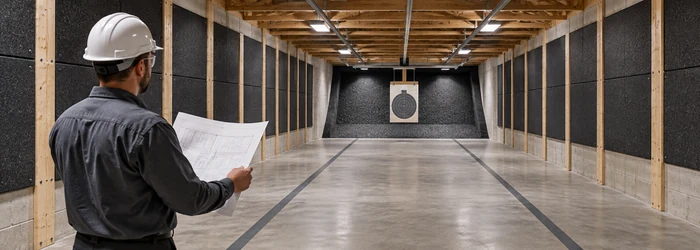
How to Build a Shooting Range in Your House?
Overview
Build A Shooting Range In Your House should be understood through its purpose, project setting, controlling documents, and the work it affects. This guide connects the topic to planning, design or scope decisions, coordination, construction checks, and handover rather than treating a label or estimate as a complete answer.
Use the source article's topic details with current project information. Local approvals, safety requirements, engineering decisions, and financial or legal treatment depend on the facts and responsible authority.
In this comprehensive guide, we will provide you with detailed instructions on how to build a safe and functional shooting range in your house. Building a shooting range at home can be a rewarding project for gun enthusiasts who want to practice their shooting skills in the comfort and privacy of their own property.
- Planning Your Shooting Range
- 1. Choose a Suitable Location
- 2. Check Local Regulations
- 3. Consider Noise Levels
- Constructing Your Shooting Range
- 1. Build a Backstop
- 2. Install Target Stands
- 3. Create a Shooting Platform
- 4. Add Safety Features
- Maintaining Your Shooting Range
- 1. Regularly Inspect the Backstop
- 2. Keep the Area Clean
- 3. Store Firearms Safely
Planning Your Shooting Range
Before you begin construction, it is important to carefully plan your shooting range to ensure that it meets all safety requirements and local regulations. Here are some key steps to consider:
1. Choose a Suitable Location
Select a location on your property that is large enough to accommodate a shooting range and is far away from any neighbors or public areas. Ensure that the area is flat and free from obstructions.
2. Check Local Regulations
Before proceeding, check with your local authorities to determine if there are any specific regulations or permits required for building a shooting range on your property.
3. Consider Noise Levels
Shooting can generate loud noise, so it's important to consider the impact on your neighbors. Consider installing sound barriers or using noise-reducing materials to minimize noise pollution.
Constructing Your Shooting Range
Once you have completed the planning phase, you can begin construction of your shooting range. Here's how to do it:
1. Build a Backstop
The backstop is a crucial safety feature that stops bullets and prevents them from traveling beyond your shooting range. Construct a backstop using materials such as sand, dirt, or rubber mulch. Ensure that the backstop is high enough and thick enough to stop bullets effectively.
2. Install Target Stands
Next, install target stands at the desired distances from the shooting position. Use sturdy materials such as wood or metal to ensure that the target stands are stable and secure.
3. Create a Shooting Platform
Build a shooting platform where you can stand or sit while shooting. The platform should be elevated to provide a clear line of sight to the targets and should be stable and level.
4. Add Safety Features
Install safety features such as warning signs, barriers, and safety flags to ensure that your shooting range is safe for use.
Maintaining Your Shooting Range
Once your shooting range is complete, it is important to maintain it properly to ensure its safety and functionality. Here are some tips for maintaining your shooting range:
1. Regularly Inspect the Backstop
Inspect the backstop regularly for signs of wear or damage. Replace any damaged materials to maintain the effectiveness of the backstop.
2. Keep the Area Clean
Keep the shooting range area clean and free from debris. This will help prevent accidents and ensure a safe shooting environment.
3. Store Firearms Safely
Store firearms securely when not in use to prevent unauthorized access and ensure safety.
By following these guidelines, you can build a safe and functional shooting range in your house. Remember to always prioritize safety and comply with all local regulations. Happy shooting
Scope and meaning
A small build, model, shelter, or hobby project still needs a clear purpose and safe boundary. For build a shooting range in your house, decide user, indoor or outdoor setting, expected loads, weather, moving parts, cleaning, and repair. A miniature or animal shelter is not a habitable building design; scaled details behave differently.
Planning inputs to confirm
Choose a stable work surface, suitable materials, and tools for the scale. Measure before cutting and identify sharp edges, dust, fumes, heat, electrical tools, and adhesives. Keep small parts from children and animals. For an outdoor shelter, consider drainage, wind, moisture, sun, cleaning, and placement.
Design choices and trade-offs
Plan the base, walls, openings, roof, joints, and access as one assembly. Check balance, water shedding, snag points, and covered fasteners. Follow product labels and select finishes suitable for intended contact. Appearance should not block ventilation, drainage, access, or safe cleaning.
A practical project sequence
Work from a measured sketch to dry fit, stable base, frame, enclosure, roof, and inspection. Test one component before repeating it. Let adhesives and finishes cure as directed and keep the area ventilated. Do not use the item until connections are secure and loose pieces removed.
Coordination and responsibilities
A home project can affect walls, wiring, plumbing, landscaping, or shared property. Confirm permission and locate services before drilling or digging. If design becomes fixed, changes drainage, or is intended for people, check the applicable review requirements.
Cost and schedule considerations
Budget materials, fasteners, tools, finish, delivery, waste, and replacement parts. A low-cost material may need more finishing or fail sooner outdoors. Compare products at similar size and exposure. Keep an allowance for test cuts and store materials safely.
Quality checks
Check balance, connection tightness, edges, stability, openings, drainage, and weather protection. Follow curing and cleaning instructions. For animal shelters, verify the item cannot tip, trap, overheat, flood, or expose an animal to unsafe coatings.
Risk and long-term use
Keep a repair note. Inspect outdoor items after storms and before seasonal use. Clean and dry the assembly, renew finishes as directed, and replace damaged parts. Recheck fit, shade, ventilation, cleaning, and safe materials for the intended user.
Topic-specific questions
The source outline surfaces points to verify against current project information:
- Planning Your Shooting Range. Check the exact location, source revision, reviewer, and whether the point is a definition, design intent, measurement, requirement, or example. Record the answer before procurement or installation if it changes scope, sequence, or acceptance.
- Choose a Suitable Location. Check the exact location, source revision, reviewer, and whether the point is a definition, design intent, measurement, requirement, or example. Record the answer before procurement or installation if it changes scope, sequence, or acceptance.
- Check Local Regulations. Check the exact location, source revision, reviewer, and whether the point is a definition, design intent, measurement, requirement, or example. Record the answer before procurement or installation if it changes scope, sequence, or acceptance.
Project checklist
Before committing to a decision about build a shooting range in your house, work through these checks:
- Record location, purpose, project phase, date, and controlling revision.
- Separate verified conditions from assumptions, open questions, allowances, and exclusions.
- Confirm scope, measurement, product or system, interfaces, access, and responsibility.
- Agree who reviews the work, which evidence is required, and when inspection must occur.
- Document approved changes with location, cost or schedule effect, owner, date, and closure.
- Keep tests, photographs, record information, warranties, and maintenance instructions for handover.
Common mistakes to avoid
Do not rely on a broad label, old drawing, generic figure, or verbal field decision when the actual scope can be checked. Confirm the basis, location, version, and reviewer before work is committed. When evidence is incomplete, mark the conclusion provisional and name the next action instead of presenting an assumption as fact.
Frequently asked questions
Is a model plan a building design?
No. A model or hobby project does not prove a full-size or occupied structure is safe or permitted.
What should be checked before cutting?
Measurements, compatible materials and fasteners, tool safety, ventilation, dust control, and a stable surface.
How can a small structure stay stable?
Use a balanced base and secure connections, then check placement, water, wind, and overturning.
Are all finishes safe around animals?
No. Identify the product and follow its label; use materials suited to the intended contact.
When should work stop for review?
If it affects an occupied building, utilities, structural support, drainage, wildlife, or human access.
Related Building Design resources
Continue with Building Your Dream Home: Can You Build A House, Building Your Dream Home: How to Build a House for $150k, Comprehensive Guide On How To Build A Carport. Apply each resource only to its scope and verify project decisions against approved records.
Conclusion
A reliable result for build a shooting range in your house comes from clear scope, current evidence, coordinated decisions, and documented checks. Obtain qualified review where safety or compliance is involved, and keep the approved record available for construction and future maintenance.
Additional practical considerations
Before use, confirm the base is stable, water drains, edges are smooth, fasteners are covered, and cleaning is possible. Recheck after weather or handling; consider fit, shade, airflow, and safe materials for animals.
Convert build a shooting range in your house into a decision that can be reviewed. State the question, location, project phase, controlling document, required outcome, and person who can approve it. Separate what is known from what still needs measurement, testing, or interpretation. For a small project, match material, scale, tool, exposure, stability, safe use, and cleaning to the actual purpose. This makes the next action clear and keeps a broad topic from becoming an unrecorded field assumption.
Build an evidence trail for build a shooting range in your house from the current source material. Keep drawing and specification revisions, dated site information, product data, quantities, approvals, meeting decisions, and photographs tied to a location. If two records disagree, retain both references and obtain a written resolution. A clean record lets another reviewer understand why a choice was made without relying on memory or a generic example.
Review interfaces before work is released. Check what touches the topic: structure, enclosure, utilities, access, adjacent trades, temporary conditions, inspection points, and maintenance space. Name who provides each connection and who verifies it. For a small project, match material, scale, tool, exposure, stability, safe use, and cleaning to the actual purpose. Resolve the detail in the documents before procurement or concealment; an instruction to coordinate later does not explain scope or acceptance.
Compare options using the same basis. State dimensions, performance, material, finish, delivery, access, schedule, exclusions, and required testing. Explain the trade-off rather than presenting one option as universally best. Record any effect on cost, durability, operation, or future repair. Where a value depends on site or jurisdiction, identify the facts that must be checked instead of implying a fixed result.
At handover, preserve the final approved decision for build a shooting range in your house. Include the installed configuration, approved changes, product or source information, inspection and test evidence, open items, maintenance steps, and responsible contact. Mark superseded documents and keep the final revision accessible. This closes the gap between planning and use, and gives future owners a reliable basis for repair or alteration.




Leave a Reply
Want to join the discussion?Feel free to contribute!