Taps Definition in Construction in the USA
Overview
Taps Definition In Construction In The USA should be understood through its purpose, project setting, controlling documents, and the work it affects. This guide connects the topic to planning, design or scope decisions, coordination, construction checks, and handover rather than treating a label or estimate as a complete answer.
Use the source article's topic details with current project information. Local approvals, safety requirements, engineering decisions, and financial or legal treatment depend on the facts and responsible authority.
What Are Taps in Construction?
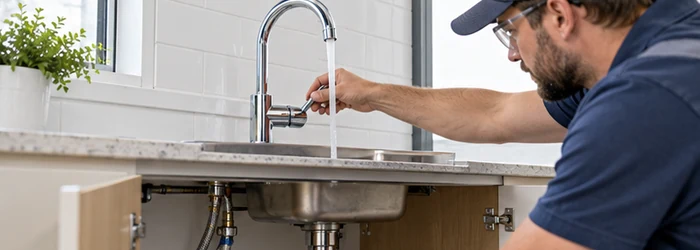
In construction terminology, taps refer to water outlets or fixtures used to control the flow of water within a plumbing system. They are essential components in residential, commercial, and industrial buildings, ensuring a controlled and regulated supply of water for various applications. Taps are installed in kitchens, bathrooms, gardens, and industrial water supply systems, playing a crucial role in water distribution, conservation, and efficiency.
Types of Taps Used in Construction
1. Compression Taps
A compression tap consists of a washer and valve mechanism that controls water flow by compressing the washer against a valve seat. When turned off, the washer seals the opening, preventing water from escaping. These taps are widely used in older plumbing systems and require occasional washer replacement due to wear and tear.
2. Ball Taps
Ball taps, also known as single-lever taps, operate using a rotating ball mechanism inside the tap body. This mechanism controls water pressure and temperature with a single lever movement. Ball taps are common in kitchens and bathrooms due to their smooth operation and ease of use.
3. Cartridge Taps
A cartridge tap utilizes a cylindrical cartridge to regulate water flow and temperature. These taps are available in single-handle and dual-handle designs, offering smooth operation and durability. Cartridge taps require minimal maintenance, making them a preferred choice in modern construction.
4. Disc Taps (Ceramic Disc Taps)
Disc taps incorporate ceramic discs that slide against each other to control water flow. This design ensures leak-proof operation and longevity, making them ideal for high-usage areas in commercial and residential buildings.
5. Pillar Taps
Pillar taps are traditional separate taps for hot and cold water, commonly found in older bathrooms and kitchens. These taps require two separate controls to mix water at the desired temperature.
6. Mixer Taps
Mixer taps combine hot and cold water in a single spout, allowing users to adjust the water temperature and pressure easily. These taps are commonly installed in modern kitchens, bathrooms, and industrial facilities where precise water temperature control is required.
7. Sensor Taps (Automatic Taps)
Sensor taps, also called touchless taps, use infrared sensors to detect hand movement, allowing water to flow automatically. These taps are widely used in commercial buildings, airports, hospitals, and public restrooms to promote hygiene and water conservation.
8. Wall-Mounted Taps
A wall-mounted tap is fixed onto the wall above a sink, basin, or bathtub, creating a sleek and modern look. These taps are commonly used in luxury bathrooms and high-end kitchens, offering space-saving benefits and easy cleaning.
9. Bib Taps
Bib taps are external water outlets, often installed in gardens, garages, and outdoor areas. They are designed to connect with hoses for outdoor use and irrigation purposes.
10. Commercial and Industrial Taps
Heavy-duty taps are installed in factories, industrial plants, and commercial kitchens, where high-pressure water flow is required. These taps are made from durable materials like stainless steel and brass to withstand constant use and harsh environments.
Importance of Taps in Construction
1. Water Distribution and Control
Taps regulate the flow of water, ensuring that water reaches different parts of a building efficiently. Without taps, plumbing systems would be incomplete and uncontrollable.
2. Energy and Water Efficiency
Modern taps come with aerators and flow restrictors, reducing water wastage while maintaining sufficient water pressure. Mixer taps and sensor taps enhance energy efficiency by reducing hot water consumption.
3. Hygiene and Health Standards
In commercial buildings, sensor taps and foot-operated taps minimize physical contact, preventing the spread of bacteria and viruses. These taps are crucial in hospitals, laboratories, and food service areas.
4. Aesthetic and Functional Value
Taps contribute to the overall interior design of a building. Modern designer taps enhance bathroom and kitchen aesthetics, complementing different architectural styles.
5. Compliance With Plumbing Codes
In the USA, taps must comply with building codes and standards such as the Uniform Plumbing Code (UPC) and the International Plumbing Code (IPC). Compliance ensures water safety, conservation, and proper installation.
Factors to Consider When Choosing Taps for Construction
1. Material and Durability
- Brass taps are highly durable and corrosion-resistant.
- Stainless steel taps offer a modern look and rust resistance.
- Plastic taps are affordable but less durable for long-term use.
2. Type of Installation
- Deck-mounted taps are installed on sinks, bathtubs, or countertops.
- Wall-mounted taps are fixed directly onto walls for a sleek and modern appearance.
3. Water Pressure Compatibility
- Homes with low water pressure require taps with pressure-boosting features.
- Commercial buildings need high-pressure taps for heavy water usage.
4. Maintenance and Replacement
- Choose easy-to-maintain taps with replaceable parts.
- Ceramic disc taps last longer and require minimal maintenance.
5. Budget and Cost Efficiency
- Basic taps are affordable and widely available.
- Premium taps offer advanced features, durability, and aesthetic appeal.
Installation and Maintenance of Taps in Construction
1. Proper Installation for Optimal Functionality
Installing taps correctly ensures leak prevention and longevity. Key installation steps include:
- Choosing the right tap for water pressure compatibility.
- Ensuring proper sealing with washers and Teflon tape.
- Aligning pipes and connections securely.
2. Regular Maintenance and Troubleshooting
Common tap issues include:
- Leaky taps due to worn-out washers or faulty cartridges.
- Low water pressure caused by clogged aerators.
- Dripping taps that require internal component replacement.
Regular cleaning, lubrication, and part replacement extend the lifespan of taps, preventing water waste and costly repairs.
Conclusion
Taps play an essential role in the construction industry in the USA, ensuring efficient water distribution, hygiene, and aesthetic value in various building types. From basic compression taps to advanced sensor taps, each type serves a unique function in residential, commercial, and industrial projects. By selecting the right tap based on material, functionality, and water efficiency, construction professionals can ensure long-lasting, code-compliant plumbing systems that meet modern standards.
Scope and meaning
Construction terminology is context-dependent. For taps definition in construction in the usa, identify whether wording comes from drawing, specification, contract, trade conversation, code, or regional practice. The same abbreviation can mean different things. Do not infer a dimension, capacity, duty, or legal outcome from a word alone; record its source, location, revision, and phase.
Planning inputs to confirm
Check the current legend, definitions, schedules, detail references, approved submittals, and glossary. Confirm discipline and location. Compare the term with the assembly it describes. If documents conflict, preserve both references and ask through the agreed RFI or review process. Share the written answer with affected trades.
Design choices and trade-offs
Translate the word into observable requirements. Ask what is measured, where it begins and ends, which material or system it names, expected performance, and acceptance evidence. If it describes orientation, height, clearance, or connection, show it on a plan or section with unit and datum.
A practical project sequence
Capture the exact term, source, and version; locate its definition or detail; compare notes and schedules; request clarification; record the answer; update submittals or field instructions. Do not conceal work while the meaning could change the installed result.
Coordination and responsibilities
An interpretation may affect architecture, structure, estimating, procurement, inspection, and payment. Name the package and location. Explain whether uncertainty changes scope, quantity, material, sequence, or acceptance. Use consistent wording in RFI, response, drawing, meeting note, and closeout.
Cost and schedule considerations
Ambiguous terms create pricing risk because bidders may assume different work. Define the item in measurable language, identify unit and finish, and state adjacent work. Compare responses on one interpretation. Record cost or schedule effects as a separate change.
Quality checks
Acceptance should rely on specified measurements, product data, drawings, inspection criteria, or performance—not a label alone. Keep corrections in glossary or revision record. Escalate unresolved meanings before work is covered or paid, especially when safety or compliance is affected.
Risk and long-term use
Keep a glossary with plain-language meaning, source revision, location, reviewer, and limits. Retain accepted RFIs with as-builts. Confirm the term still applies to current system and requirements; do not treat local usage as universal.
Topic-specific questions
The source outline surfaces points to verify against current project information:
- What Are Taps in Construction?. Check the exact location, source revision, reviewer, and whether the point is a definition, design intent, measurement, requirement, or example. Record the answer before procurement or installation if it changes scope, sequence, or acceptance.
- Types of Taps Used in Construction. Check the exact location, source revision, reviewer, and whether the point is a definition, design intent, measurement, requirement, or example. Record the answer before procurement or installation if it changes scope, sequence, or acceptance.
- Compression Taps. Check the exact location, source revision, reviewer, and whether the point is a definition, design intent, measurement, requirement, or example. Record the answer before procurement or installation if it changes scope, sequence, or acceptance.
Project checklist
Before committing to a decision about taps definition in construction in the usa, work through these checks:
- Record location, purpose, project phase, date, and controlling revision.
- Separate verified conditions from assumptions, open questions, allowances, and exclusions.
- Confirm scope, measurement, product or system, interfaces, access, and responsibility.
- Agree who reviews the work, which evidence is required, and when inspection must occur.
- Document approved changes with location, cost or schedule effect, owner, date, and closure.
- Keep tests, photographs, record information, warranties, and maintenance instructions for handover.
Common mistakes to avoid
Do not rely on a broad label, old drawing, generic figure, or verbal field decision when the actual scope can be checked. Confirm the basis, location, version, and reviewer before work is committed. When evidence is incomplete, mark the conclusion provisional and name the next action instead of presenting an assumption as fact.
Frequently asked questions
Does a construction term always have one meaning?
No. Trade, jurisdiction, drawing, specification, and project context can change usage.
How can an abbreviation be verified?
Check the current legend, specification, schedule, contract definition, product submittal, and exact location.
Can a term alone establish compliance?
No. Compliance depends on governing requirements, documented design, measured conditions, and approvals.
What if documents disagree?
Record both references and ask the responsible designer or contract administrator for written clarification.
Why keep a glossary?
It preserves the approved meaning, source revision, location, reviewer, and limits for later teams.
Related Building Design resources
Continue with ENCS Meaning in Construction, Running From The Daylight Meaning And, Wall Mounted Definition in Construction in the USA. Apply each resource only to its scope and verify project decisions against approved records.
Conclusion
A reliable result for taps definition in construction in the usa comes from clear scope, current evidence, coordinated decisions, and documented checks. Obtain qualified review where safety or compliance is involved, and keep the approved record available for construction and future maintenance.