
“aff Apartment” Meaning In Construction In The
Overview
"aff Apartment" Meaning In Construction In The should be understood through its purpose, project setting, controlling documents, and the work it affects. This guide connects the topic to planning, design or scope decisions, coordination, construction checks, and handover rather than treating a label or estimate as a complete answer.
Use the source article's topic details with current project information. Local approvals, safety requirements, engineering decisions, and financial or legal treatment depend on the facts and responsible authority.
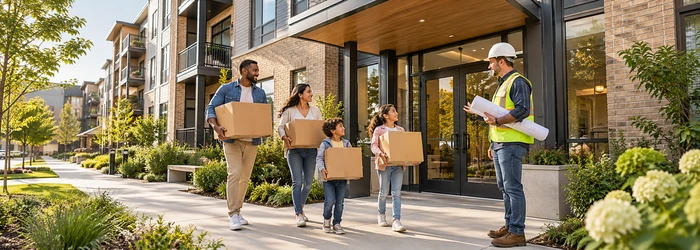
In the context of construction and real estate development in the United States, the term "AFF apartment" is commonly encountered, especially when dealing with affordable housing projects or mixed-income developments. It refers to the designation of apartments that are subject to specific affordability requirements, often linked to federal, state, or local government housing policies. But what does "AFF apartment" truly mean, and why is it a crucial aspect of modern urban construction projects? In this comprehensive guide, we will dive deep into the definition, regulations, and implications of AFF apartments, offering a detailed look at how these types of units impact the housing market and urban development.
What is an AFF Apartment in Construction?
An AFF apartment (Affordable For Families apartment) is a type of residential unit designed to be affordable for individuals or families earning below a certain income threshold, typically based on Area Median Income (AMI). The term is often used within the framework of affordable housing initiatives and development projects aimed at providing equitable access to housing in urban areas where market rents may be prohibitively high.
The "AFF" designation plays a critical role in ensuring that a portion of the housing stock remains accessible to low-income and moderate-income households. These apartments are typically offered at below-market rates, either through direct government subsidies or by meeting specific requirements in tax credit programs such as the Low-Income Housing Tax Credit (LIHTC) or Section 8 Housing Voucher programs.
How AFF Apartments Fit into Affordable Housing Development
Affordable housing development, including the construction of AFF apartments, is a crucial component in mitigating housing shortages and providing safe, stable living conditions for lower-income families. These types of apartments are often built in high-demand areas where private developers may not find it financially viable to create rental units targeted at lower-income populations.
For developers, building AFF apartments can often involve participation in public-private partnerships (PPP), tax incentives, or grant funding. The federal government, state agencies, and local municipalities offer these incentives to encourage private developers to include affordable units in their projects.
Types of AFF Apartments
AFF apartments come in various forms, depending on the funding mechanisms and the income levels of the tenants they are meant to serve. Some of the most common types include:
- Low-Income Housing Tax Credit (LIHTC) Apartments
- LIHTC apartments are perhaps the most widely recognized form of affordable housing. Developers receive tax credits from the federal government in exchange for setting aside a certain percentage of apartments in their developments for low-income residents. These apartments are typically affordable to households earning 60% or less of the Area Median Income (AMI).
- Public Housing Apartments
- Public housing is another key component of affordable housing in the USA. Managed by local public housing authorities (PHAs), these apartments are rented to qualifying individuals or families, typically at reduced rates based on tenant income. Public housing is generally more affordable than private sector housing and is prioritized for very low-income households.
- Section 8 Housing Voucher Apartments
- Section 8 housing vouchers are another form of assistance that can be used to secure AFF apartments in the private market. Eligible tenants receive vouchers that cover a portion of their rent, making it more affordable for them to live in market-rate apartments.
- Mixed-Income Developments
- Mixed-income developments often include a blend of market-rate units and affordable units such as AFF apartments. The idea is to integrate people of varying income levels within the same community, promoting social and economic integration.
Regulations and Standards for AFF Apartments
The construction and operation of AFF apartments in the United States are governed by numerous regulations to ensure they remain affordable and serve the right demographic. These regulations vary depending on the funding sources and specific program guidelines but generally follow these core principles:
- Area Median Income (AMI) and Affordability
The affordability of AFF apartments is often defined by Area Median Income (AMI), which is the middle point of income distribution within a specific geographic area. Federal and state agencies use AMI to determine income limits for households seeking to qualify for affordable housing. Generally, apartments are designated as affordable if they are rented to families whose income is at or below 80% of AMI, but they can also serve households earning up to 120% of AMI in certain programs. - Rent Restrictions and Control
Rent for AFF apartments is generally capped based on income and AMI thresholds. For example, rent in an AFF apartment may be set to a percentage of the resident’s income, typically 30%. This ensures that even individuals with limited income can afford housing without sacrificing basic needs such as food and healthcare. - Long-Term Affordability
One of the distinguishing features of AFF apartments is their long-term affordability. Developers and operators of AFF housing are often required to adhere to strict guidelines that lock in affordability for decades. These agreements may last anywhere from 15 to 30 years, ensuring that these properties remain available for lower-income households over the long term.
Challenges and Opportunities in AFF Apartment Construction
While AFF apartments are crucial for maintaining housing access for low-income individuals and families, the development and operation of these units present several challenges, including:
- Financing and Investment Risks
- The construction of AFF apartments requires significant upfront investment, and developers often face challenges in securing the necessary financing. Given the nature of affordable housing, the returns on investment may be lower than traditional market-rate developments, which can make it harder to attract private capital. Public subsidies and tax incentives are often required to bridge this gap.
- Land Availability
- In dense urban areas, the availability of suitable land for the development of new affordable housing can be limited. Zoning restrictions, land costs, and community opposition can all present obstacles to the construction of new AFF apartments.
- Maintenance and Long-Term Viability
- Once AFF apartments are built, they must be maintained to ensure long-term habitability. In many cases, developers and housing authorities face challenges in keeping the property well-maintained while keeping rents affordable.
Despite these challenges, AFF apartments present significant opportunities to create sustainable communities and address the growing housing affordability crisis in the USA. As cities continue to grow and income inequality becomes more pronounced, the demand for affordable housing is expected to increase, creating an ongoing need for more AFF apartments.
The Importance of AFF Apartments in Urban Development
AFF apartments are critical in addressing urban housing needs, particularly in areas with significant gentrification and rising rents. By providing affordable housing options, these units help reduce the risk of displacement for low-income families and contribute to the creation of diverse and inclusive communities. They allow individuals and families to live closer to employment, education, and essential services without being burdened by unaffordable rent prices.
Furthermore, affordable housing development, including the construction of AFF apartments, supports broader social and economic goals, such as:
- Reducing homelessness rates
- Promoting economic mobility for low-income individuals
- Enhancing access to public services and community resources
In conclusion, AFF apartments are an essential component of the modern construction landscape in the United States. They ensure that urban development is not limited to high-income households but also serves the needs of lower-income individuals and families, fostering social equity and sustainable community growth. As the demand for affordable housing continues to rise, the role of AFF apartments in shaping inclusive urban environments will only become more critical.
For further information, visit the article we are aiming to outrank: .
Scope and meaning
A commercial or institutional building begins with the activities it must support. For "aff apartment" meaning in construction in the, define users, operating hours, equipment, deliveries, peak occupancy, security, storage, and future change. Distinguish base building, shell-and-core, tenant fit-out, owner equipment, and site work. A leasing plan may not show construction scope; assign each package.
Planning inputs to confirm
Map the program to site, circulation, servicing, and operations. Confirm how people, deliveries, waste, responders, maintenance staff, and equipment reach the building. Check the review path with responsible professionals; classifications and requirements depend on location and use. Consider accessible routes, egress, fire protection, structure, utilities, and loading early.
Design choices and trade-offs
Coordinate structure, enclosure, utilities, life-safety systems, and maintenance. Evaluate clear heights, spans, equipment rooms, risers, façade performance, acoustics, and expansion. For multiple tenants, define shared areas, metering, access, and maintenance responsibilities. Specialized equipment must fit and remain serviceable before the layout is fixed.
A practical project sequence
Plan from program and site verification through coordinated design, authority review, procurement, enabling work, structure, enclosure, rough-in, fit-out, testing, and occupancy readiness. Coordinate long-lead equipment and utility approvals. Include inspection hold points and commissioning. Phased occupancy needs temporary access, fire strategy, utilities, and unfinished-area responsibility.
Coordination and responsibilities
Use an interface matrix for architecture, structure, civil, mechanical, electrical, plumbing, fire, security, IT, lifts, and tenant scope. Identify who provides sleeves, supports, fire stopping, controls, meters, tests, training, and access. Review cost and schedule changes against operations and tenant obligations.
Cost and schedule considerations
Separate shell, landlord work, tenant improvements, owner equipment, external work, design, testing, commissioning, fees, and contingency. Compare bids on identical scope. A low base price may shift costs to fit-out or operations. Track changes by location and package, including lead time, access, testing, energy, and maintenance.
Quality checks
Define acceptance evidence before installation: approved submittals, samples, mock-ups, inspections, functional tests, balancing, controls, commissioning, and training as applicable. Follow approved documents and authority requirements. Before opening, confirm approvals, safe access, tested systems, warranties, record drawings, and responsible operators.
Risk and long-term use
Plan equipment replacement routes, roof access, shutoffs, meters, cleanouts, waste, spare parts, and service contracts. Deliver operating sequences, warranties, as-builts, approvals, and maintenance schedules. Clarify who operates shared services and how future tenant changes are reviewed.
Project checklist
Before committing to a decision about "aff apartment" meaning in construction in the, work through these checks:
- Record location, purpose, project phase, date, and controlling revision.
- Separate verified conditions from assumptions, open questions, allowances, and exclusions.
- Confirm scope, measurement, product or system, interfaces, access, and responsibility.
- Agree who reviews the work, which evidence is required, and when inspection must occur.
- Document approved changes with location, cost or schedule effect, owner, date, and closure.
- Keep tests, photographs, record information, warranties, and maintenance instructions for handover.
Common mistakes to avoid
Do not rely on a broad label, old drawing, generic figure, or verbal field decision when the actual scope can be checked. Confirm the basis, location, version, and reviewer before work is committed. When evidence is incomplete, mark the conclusion provisional and name the next action instead of presenting an assumption as fact.
Frequently asked questions
What must a commercial brief define?
Uses, users, hours, peak occupancy, equipment, deliveries, servicing, security, and future change.
Does the same layout work everywhere?
No. Site, use, authority requirements, utilities, access, operations, and local rules affect design.
How do shell and fit-out differ?
The contract defines the boundary; a scope matrix should identify base building, tenant work, equipment, utilities, and testing.
When should commissioning be planned?
During design and scheduling, with systems, tests, owners, records, and training defined.
What is needed before occupancy?
Required approvals, safe access, tested systems, operating instructions, training, warranties, record information, and closeout.
Related Building Design resources
Continue with FOH Definition In Construction: Understanding, Front Of The House Definition In Construction In, Understanding Non-Residential Construction. Apply each resource only to its scope and verify project decisions against approved records.
Conclusion
A reliable result for "aff apartment" meaning in construction in the comes from clear scope, current evidence, coordinated decisions, and documented checks. Obtain qualified review where safety or compliance is involved, and keep the approved record available for construction and future maintenance.



Leave a Reply
Want to join the discussion?Feel free to contribute!