
Roman Arches at the Colosseum: How They Work
The Colosseum stands as a testament to the architectural ingenuity of ancient Rome, embodying the essence of Roman construction techniques and design. Among its many innovative features, the most prominent element used in its construction was the Roman arch. This article delves into the significance of the Roman arch in the construction of the Colosseum, highlighting its role in shaping one of the world’s most iconic structures.
The Roman Arch: Foundation of the Colosseum’s Design
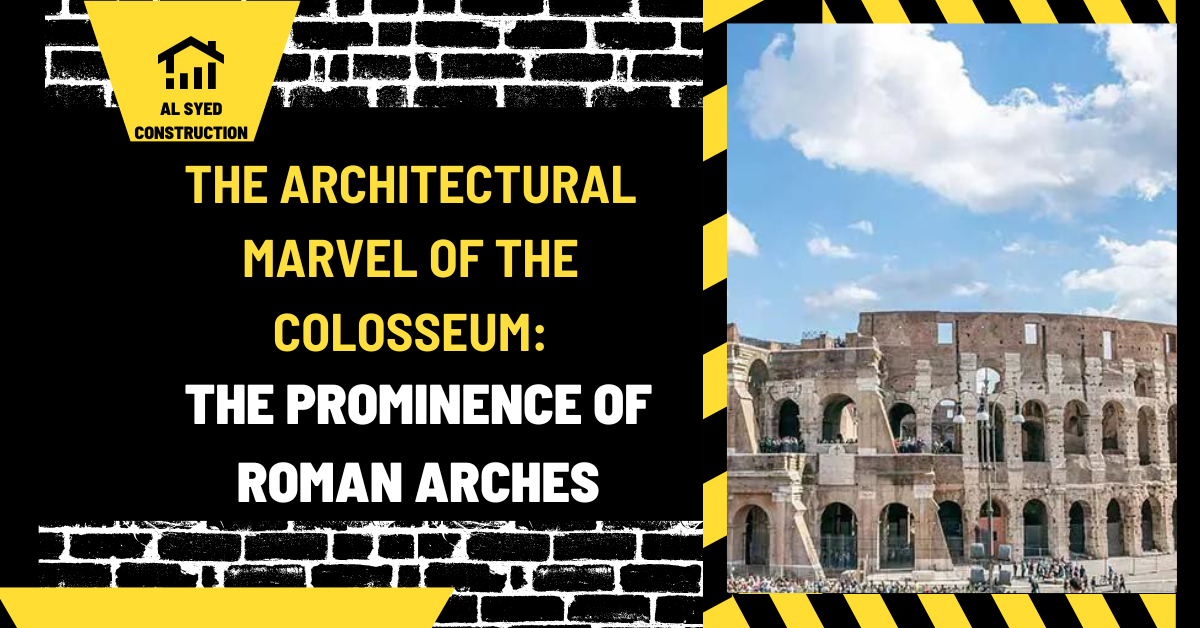
The Roman arch is a semicircular structure known for its strength and durability, which enabled the construction of large and complex buildings such as the Colosseum. Its introduction marked a significant advancement in architectural design, allowing Romans to build larger and more sophisticated structures than ever before. The Colosseum’s design prominently features a series of these arches, which are crucial for supporting the massive weight of the amphitheater and providing the necessary structural integrity.
Engineering Mastery: The Role of Arches in the Colosseum’s Construction
The Colosseum’s construction utilized the arch in an innovative way, employing it to create a series of vaults and passageways that facilitated the movement of crowds and the staging of events. The arches distributed the weight of the structure evenly across the foundation, enabling the construction of the Colosseum’s imposing tiers. This not only provided the necessary support for the structure’s vast size but also contributed to its aesthetic appeal.
The Arch’s Contribution to Durability and Aesthetics
Beyond their structural benefits, the arches of the Colosseum also played a significant role in the amphitheater’s durability and aesthetics. The use of concrete and stone in the construction of these arches ensured that the Colosseum could withstand the ravages of time and the elements. Moreover, the repetition of the arch motif throughout the Colosseum’s design added rhythm and visual harmony, enhancing its architectural beauty.
Why the arch was central to the Colosseum
The arch is one of the most visible and important structural elements of the Colosseum. Repeated arches frame the exterior openings, organize circulation, and help carry the loads of the seating levels above. The building is not made from arches alone: it combines concrete, masonry, stone, vaults, foundations, and a complex arrangement of passages and supports. The arch became prominent because it connects structural performance with the building’s repeated façade rhythm and public movement.
An arch transfers loads through compression along its curved form toward its supports. That action produces reactions at the sides, so the surrounding wall, pier, and adjacent structural elements must resist them. In the Colosseum, the repetition of bays distributes loads and creates a regular framework around the oval arena. Arches also allowed openings for entries and circulation, unlike a continuous solid wall of the same mass. The design integrates movement and structure rather than treating each as separate.
Arches, vaults, and the structural system
The exterior arcades are part of a larger system of corridors, ramps, stairs, and vaulted spaces. The arches support upper tiers and align with the circulation routes below. The use of repeated bays helped manage the flow of spectators into and through the amphitheater. This organization demonstrates how architectural form, public access, and structural layout can reinforce each other.
Different materials served different roles. Travertine, tuff, brick, and concrete appear in the building’s construction, with stone and masonry elements used alongside concrete cores and vaults. Historical descriptions may identify materials differently by location or phase, so broad claims should be checked against archaeological and conservation records. The important point is the composite nature of the system: the Colosseum’s durability and scale cannot be attributed to one material in isolation.
| Element | Role in the Colosseum | What it helps explain |
|---|---|---|
| Exterior arches | Frame openings and support levels | Repeated structure and façade rhythm |
| Piers and walls | Receive and transfer forces | How arch reactions reach the foundation |
| Vaulted corridors | Carry circulation through the mass | Integration of access and structure |
| Concrete and masonry | Form cores, vaults, and supporting mass | Roman material and construction practice |
How the arches shaped the public experience
The repeated openings made the large amphitheater permeable. Spectators entered through organized routes, climbed to seating areas, and reached different levels through a network of passages. The exterior façade communicated order and scale to the surrounding city, while the interior structure supported a vast crowd. Arches therefore did more than make a dramatic image: they helped manage access and connect the building’s many parts.
From a distance, the rhythm of arches creates a strong visual pattern. At closer range, the depth of the openings reveals the thickness of the structure and the movement through it. The building’s levels use different architectural treatments, but the structural system remains coordinated. A visual analysis should note both the ornament and the underlying organization; otherwise, it can mistake the façade for a decorative screen.
Construction, maintenance, and preservation
Constructing a large arch requires accurate geometry and stable support during erection. Masonry units need to be placed in sequence, and temporary centering may support the arch until it can carry its own load. In a vast amphitheater, this work repeats across many bays and must align with vaults, floors, and adjacent openings. Modern restoration projects study material condition and structural behavior before replacing or reinforcing parts of the building.
Earthquakes, weathering, settlement, vegetation, and past alterations have affected the Colosseum over time. Preservation teams document cracks, movement, stone loss, and earlier repairs. A repair that looks visually correct may still be incompatible with the original material or conceal a structural problem. Conservation balances visitor access, safety, research, and retention of historic fabric. The site’s article on Roman concrete explores the material tradition behind some of the building’s structural mass; its guide to arches as a construction element explains the form more generally.
Questions readers ask
What Roman element is most prominent at the Colosseum? The arch is a defining feature of its exterior and structural organization.
Did arches alone hold up the building? No. They work with piers, walls, vaults, foundations, concrete, and masonry.
Why were there so many openings? Openings supported circulation and access while the repeated structural bays carried the upper levels.
Is the Colosseum built entirely of concrete? No. It uses a combination of stone, brick, concrete, and other materials.
Why Roman arches mattered at the Colosseum
The Colosseum’s most visible architectural element is its repeated system of arches, which organizes the exterior into stacked levels of openings. The arches are supported by piers and engaged columns, creating a regular façade rhythm while allowing entrances and circulation to be distributed around the elliptical building. Their repetition is both structural and practical: it helps organize a huge audience facility and gives the exterior a legible order.
An arch carries loads through compression along its curved path toward supports on either side. In the Colosseum, the exterior arches work with a broader system of radial and annular walls, corridors, vaults, and seating supports. The building cannot be understood by looking at façade arches alone; its internal structure channels crowd movement, carries tiers, and stabilizes the enclosure.
The different orders of engaged columns across the exterior levels contribute to the visual hierarchy. They do not all function as independent supports for the full building. Roman builders combined structural masonry with architectural language, giving a practical frame a formal appearance. The distinction between an arch’s structural role and attached decorative elements is useful when interpreting ancient façades.
The Colosseum also demonstrates how repeated bays make construction and circulation manageable. Entrances, stairs, corridors, and vomitoria were organized so spectators could reach seating zones. The arch form offered a durable opening while keeping substantial masonry piers between bays. This pattern helped balance access, structure, and monumentality.
Arches are not exclusive to Rome, and the Colosseum did not invent the form. Roman engineers adapted and deployed arches at large scale across infrastructure and public buildings. Their use became part of an architectural toolkit that included vaults and domes. For a wider overview of the form in buildings, see the site’s [guide to arches in construction](https://alsyedconstruction.com/arches-in-building-construction-a-timeless-architectural-element/).
The monument’s present appearance also records centuries of damage, stone removal, repairs, and conservation. Some exterior bays survive more completely than others, and visitors should avoid treating the ruin as a pristine snapshot of antiquity. Study the surviving arches alongside the arena, seating structure, underground spaces, and current conservation interpretation to understand the building as a whole.
The arch within the Colosseum’s complete system
The arena’s elliptical plan also shaped the way arches were arranged. Radial passages carried spectators toward seating, while circumferential corridors connected routes around the building. This system distributed people and structural loads through repeated bays. The exterior arches were therefore part of a coordinated design that linked façade, internal circulation, and the demands of a very large public venue.
Archaeological remains show a building altered and repaired over many centuries. Restoration and visitor routes help protect fragile masonry, but they also affect which parts can be seen. When evaluating the Colosseum’s engineering, combine surviving evidence with measured plans and conservation interpretation, and avoid assuming that every exterior opening had the same use or structural task.
Conclusion
The Roman arch was not only a fundamental element in the construction of the Colosseum but also a symbol of Roman engineering excellence. Its implementation in the design of the Colosseum allowed for the creation of a structure that was both functional and aesthetically pleasing, standing the test of time as a monumental achievement. The legacy of the Roman arch, as exemplified in the Colosseum, continues to influence architectural design and engineering to this day, underscoring the ingenuity and vision of ancient Roman architects.



Leave a Reply
Want to join the discussion?Feel free to contribute!