
Ethiopian Architecture: Forms, Materials, and History
Ethiopia, a land of rich history and diverse culture, boasts an architectural heritage that is as fascinating as it is unique. From ancient rock-hewn churches to towering obelisks, the architecture of Ethiopia reflects the country’s long and storied past. In this article, we will delve into the architectural wonders of Ethiopia, exploring the intricacies of its design, the symbolism behind its structures, and the historical significance of its buildings.
The Rock-Hewn Churches of Lalibela
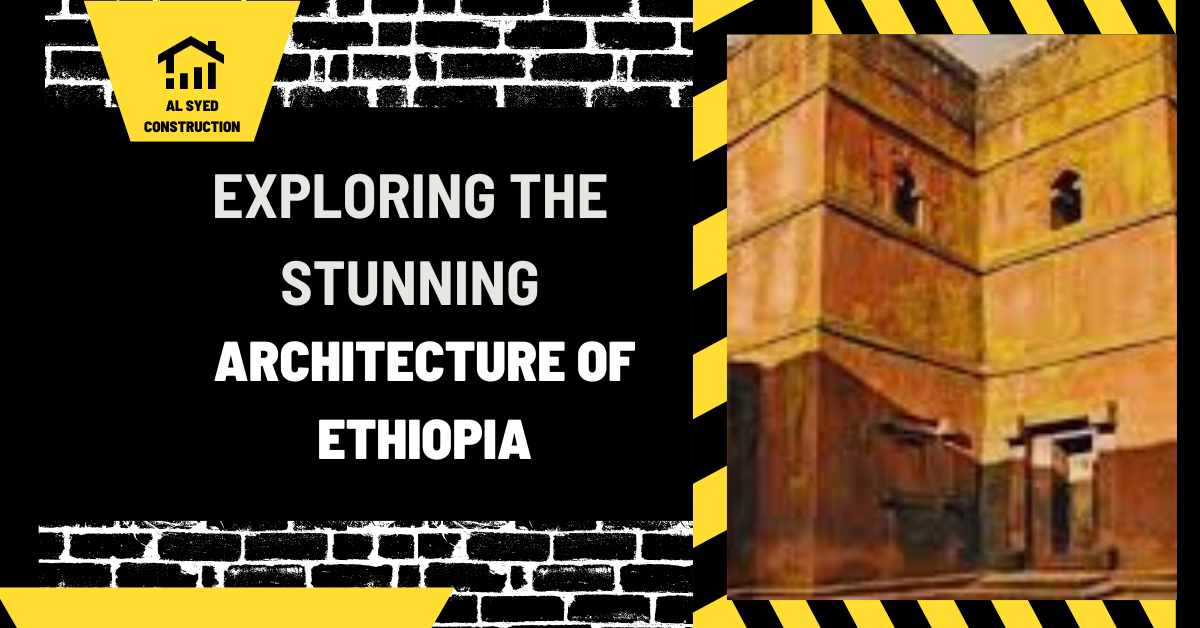
One of Ethiopia’s most famous architectural wonders is the rock-hewn churches of Lalibela. Carved entirely out of solid rock, these churches date back to the 12th century and are a UNESCO World Heritage Site. The most famous of these churches is the Church of St. George, which is carved in the shape of a cross and is widely regarded as one of the wonders of the ancient world.
The rock-hewn churches of Lalibela are not only remarkable for their architectural achievement but also for their spiritual significance. They are still active places of worship today, attracting pilgrims from all over the world who come to marvel at their beauty and soak in their spiritual atmosphere.
The Castles of Gondar
In the city of Gondar, you will find a collection of stunning castles that date back to the 17th century. These castles were built by the Ethiopian emperor Fasilides and his successors and served as the royal residence for over 200 years. The castles are known for their unique blend of Ethiopian, Arab, and European architectural styles, reflecting the diverse influences that have shaped Ethiopia’s history.
The Axum Obelisks
The ancient city of Axum is home to a collection of towering obelisks that date back to the 4th century. These obelisks, which can reach heights of up to 100 feet, are carved from single pieces of granite and are adorned with intricate carvings and inscriptions. They are believed to have served as markers for underground tombs of Axumite royalty.
The Harar Jugol
The walled city of Harar Jugol is a testament to Ethiopia’s Islamic heritage. The city’s architecture is characterized by its narrow alleyways, intricately carved wooden doors, and traditional Harari houses. The city is also home to over 80 mosques, including the famous Jami Mosque, which dates back to the 16th century.
Ethiopian architecture spans many regions and periods
Ethiopia’s architecture reflects a long and varied history shaped by highland geography, trade, religious institutions, political change, and local building knowledge. No single style represents the country. Ancient stelae, rock-hewn churches, monasteries, palaces, mosques, fortified towns, vernacular homes, and contemporary buildings belong to different periods and communities. A careful overview names the site and its historical context rather than describing all Ethiopian buildings as one tradition.
The country’s highlands, plateaus, valleys, and changing climates influenced how people built. Stone, timber, earth, thatch, and later manufactured materials were used in different combinations according to location and purpose. Building traditions adapted to slope, rainfall, temperature, available resources, and the movement of people and goods. Regional differences are central to understanding Ethiopian architecture, not a footnote to it.
Aksumite monuments and stone craft
The ancient Aksumite civilization is known for monumental stone stelae and other archaeological remains. These tall carved monuments were produced from large single stones and erected in a landscape associated with elite burial and political identity. Their scale and finish demonstrate sophisticated quarrying, shaping, transport, and setting. They are not interchangeable with later church architecture; they belong to a distinct historical setting and should be interpreted through archaeology and local heritage.
Stone construction in Aksumite contexts shows how material and landscape can create a powerful civic image. The stone’s source, carving marks, base, orientation, and relationship to nearby structures are all part of the evidence. Moving and standing a monolith requires planning for lifting, balance, and foundation support. Modern preservation should protect the stones and the archaeological deposits around them, since excavation or visitor movement can damage information that is not visible above ground.
Rock-hewn churches and sacred architecture
The rock-hewn churches of Lalibela are among Ethiopia’s best-known architectural works. Rather than assembling walls from separate units, builders carved many structures from living rock, shaping openings, courtyards, passages, and interior spaces through excavation. The method reversed the familiar sequence of building upward from a foundation: the builders removed material to reveal the architecture. The churches form a connected sacred landscape with routes and relationships that matter as much as an individual facade.
Carving a church from rock required surveying, staged excavation, knowledge of the stone, and careful management of structural continuity. A cut that removes too much material can weaken a roof or support, while water movement through the rock can accelerate deterioration. Conservation therefore needs geological understanding, drainage analysis, and respect for ongoing religious use. Visitors and researchers should recognize that these are living sacred sites, not only archaeological attractions.
| Architectural tradition | Example or characteristic | Key interpretive focus |
|---|---|---|
| Aksumite monuments | Carved stone stelae | Quarrying, carving, setting, and political landscape |
| Rock-hewn churches | Lalibela church complex | Excavation sequence, geology, sacred use, and drainage |
| Palatial architecture | Gondar’s historic compounds | Royal patronage, layered building phases, and regional exchange |
| Vernacular building | Local forms using available materials | Climate, household life, craft, and settlement pattern |
Gondar and later architectural traditions
Gondar developed as an important political center and contains historic palaces and compounds associated with Ethiopian rulers. The buildings combine local traditions with influences that moved through trade, diplomacy, and religious contact. A royal complex is best read as a group of buildings and courtyards developed over time, not as one isolated castle. Repairs and additions can reveal changing uses and political priorities.
Religious buildings, including Ethiopian Orthodox churches and monasteries, also have distinctive spatial and artistic traditions. Plans, wall paintings, sacred objects, and the surrounding landscape work together. These buildings may remain active places of worship, which affects access, conservation, and interpretation. Documentation should be undertaken with religious communities and heritage authorities rather than treating daily practice as an interruption to preservation.
Conservation and contemporary architecture
Historic sites face weathering, water damage, settlement, visitor pressure, vegetation, and changing use. For rock-hewn spaces, runoff and moisture control are especially important; for freestanding stone monuments, foundation condition and stone surface protection matter. Repair materials should be tested and selected to suit the historic substrate. Recording each intervention helps distinguish original work from modern conservation and supports future maintenance.
Contemporary Ethiopian architecture continues to respond to urban growth, climate, local materials, and global exchange. New buildings may reinterpret traditional forms or adopt modern systems without losing regional identity. The same principle applies to additions at historic sites: compatibility does not always require copying, but it does require a clear understanding of scale, setting, material, access, and cultural meaning.
For a comparison with another region’s monumental heritage, see the site’s discussion of Haitian architecture and its account of the Temple of the Feathered Serpent. These examples show different materials and cultural histories; they should not be treated as interchangeable forms of ancient monument building.
Questions readers ask
What is Ethiopia’s most distinctive architectural feature? There is no single answer. Aksumite stelae, Lalibela’s rock-hewn churches, Gondar’s palaces, and vernacular traditions are distinct contributions.
How were Lalibela’s churches made? Many were carved from rock through a subtractive process that shaped courtyards, passages, openings, and interiors.
Are Ethiopian churches only historic sites? Many remain active sacred places. Conservation and visitor access should respect religious use.
What threatens Ethiopian heritage buildings? Water, weathering, structural movement, visitor pressure, unsuitable repairs, and resource constraints can all affect condition.
Ethiopian architecture: materials and monuments
Ethiopia’s architectural heritage spans many communities, regions, climates, and historical periods. It includes rock-hewn churches, stone-built urban structures, traditional round houses, palaces, monasteries, and modern civic buildings. These forms reflect local geology, religious practice, trade, craft, and political change. Describing the country’s architecture as one style would hide this diversity.
The rock-hewn churches of Lalibela are among the most widely recognized examples. Carved directly from bedrock, they required planning that treated the surrounding rock as both building material and protective envelope. Excavation sequence, drainage, access paths, and the preservation of remaining stone all matter to their construction. They continue to serve religious communities, so conservation must respect living use as well as archaeological significance.
Traditional dwellings use materials suited to local conditions, including stone, earth, timber, thatch, and woven elements. A circular plan may suit available construction methods and social patterns, while courtyards and shaded spaces help manage climate. Urban buildings show additional influences from trade, administration, and imported materials. Regional study is essential before generalizing about construction methods.
Conservation faces challenges from weathering, water, visitor pressure, changing land use, and limited specialist resources. Preventive maintenance can be more effective than major intervention: manage drainage, monitor cracks, protect vulnerable surfaces, and train local craftspeople. Documentation should include oral knowledge and community priorities, not only measurements of physical fabric.
Conclusion
Ethiopia’s architecture is a reflection of its rich and diverse history. From ancient rock-hewn churches to towering obelisks, the country’s architectural wonders are a testament to the creativity and ingenuity of its people. By exploring these architectural marvels, we can gain a deeper appreciation for Ethiopia’s cultural heritage and the role that architecture plays in shaping our understanding of the past.





Leave a Reply
Want to join the discussion?Feel free to contribute!