
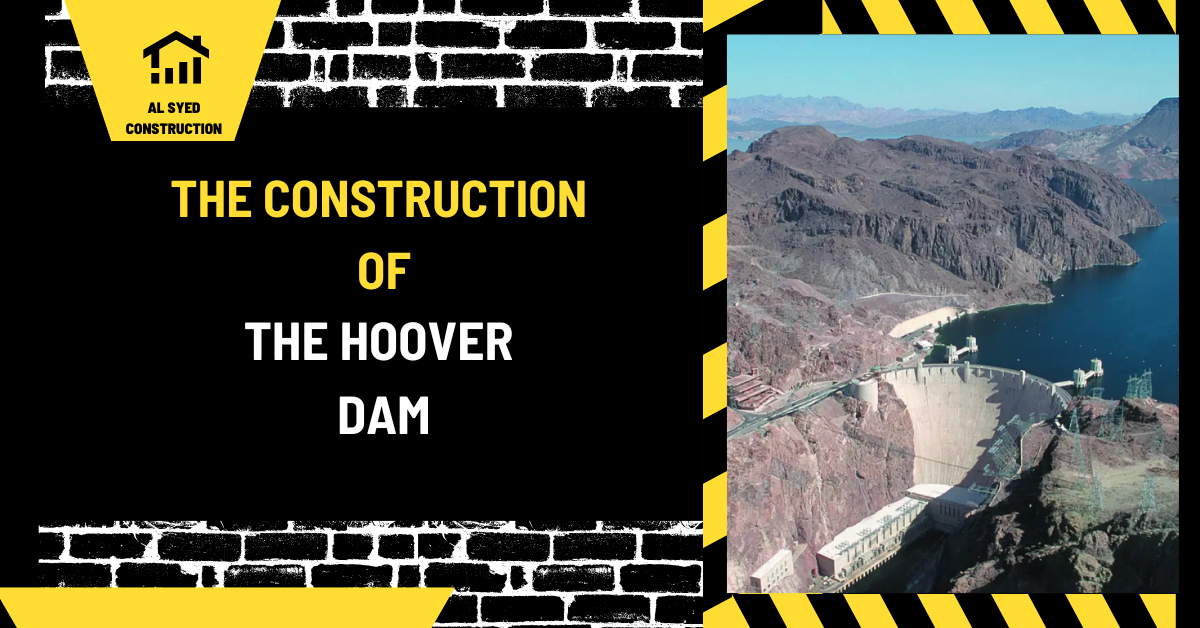
Hoover Dam Construction Fatalities: Full History
Hoover Dam’s construction involved dangerous work in a steep canyon, around heavy equipment, explosives, hot weather, high concrete placements, and changing river conditions. The number most often identified as the official construction-site fatality count is 96. That figure has a defined scope: the Bureau of Reclamation describes it as industrial deaths at the dam site during construction. Other totals sometimes quoted include additional project-related deaths or events outside that definition, so the number depends on what is counted.
This article looks beyond the headline figure. It explains why historical records differ, what kinds of hazards workers faced, how the construction environment shaped risk, and what the fatality history can teach modern project teams. It does not turn a complex human tragedy into a simple statistic. The companion answer to how many people died building Hoover Dam focuses directly on the count and its scope.
Why the fatality count needs a definition
The Bureau of Reclamation’s historical review identifies 96 “industrial fatalities” as the official number of men who died at the dam site from construction-related causes. The agency’s examples include drowning, blasting, falling rocks or slides, falls from canyon walls, heavy equipment, and truck accidents. Its account also cautions that the historical record is not perfectly clear. The figure is therefore best reported together with the agency and the definition rather than presented as an all-purpose total.
Some sources cite 112 deaths associated with the broader Boulder Canyon Project. Reclamation explains that this number can include events before the dam was authorized or construction began, such as two employees who drowned during a 1922 geological survey, as well as people who died away from the dam site or from causes not classified as industrial fatalities. Other counts may include workers who were injured on site but died later in a hospital. Those records answer a broader question than “official construction-site industrial fatalities.”
Historical counting rules matter because they affect how people interpret the danger and compare projects. A careful account states whether it includes only worksite incidents, all project workers, illness, deaths away from the site, surveying before construction, or deaths later from an injury. The answer page gives the concise official count; this fuller history explains why a different source may report a different number.
The work environment in Black Canyon
Construction took place in a narrow, rugged canyon along the Colorado River. Before concrete placement, crews diverted the river through tunnels so work could proceed at the dam site. Workers excavated and treated rock, handled explosives, built diversion works, operated equipment, moved materials, and worked at different elevations on steep canyon walls. Each phase exposed crews to different combinations of falling material, machinery, confined access, and water hazards.
Heat added to the demands of manual and equipment work in a desert environment. Workers needed water, rest, medical care, and safe access during long shifts. The site’s remote setting complicated emergency response: an incident could occur far from a medical facility, and moving an injured person through the canyon took time. The work also attracted a large workforce, making transportation, camp conditions, and coordination part of the safety picture.
The project was built in the 1930s, before modern U.S. occupational safety and health systems, personal protective equipment requirements, and engineering controls were established in their current form. That historical context helps explain why crews faced hazards that present-day projects would address through formal hazard analysis, energy isolation, fall protection, equipment rules, and emergency planning. It does not mean every risk was unavoidable or that workers’ lives were expendable.
Rock work, blasting, and falls
Excavation along canyon walls required workers to remove loose or unstable material before other crews could safely work below. The steep terrain created exposure to falls and falling rocks. Blasting introduced risks from explosive handling, premature or misfired charges, flying material, and re-entry before the area was cleared. Workers called “high scalers” performed dangerous work on the canyon face, often suspended by ropes while dislodging loose rock.
A modern risk assessment would examine the entire sequence: geologic mapping, scaling or stabilization, exclusion zones, blast design and notification, misfire procedures, access, rescue, communication, and monitoring for movement. The work is not made safe simply by issuing a helmet or harness. The most effective controls remove people from the line of fire where possible, isolate affected areas, stabilize the hazard, and verify conditions before crews return.
At a high-consequence excavation, the competent engineering team needs current information about rock quality, groundwater, discontinuities, and changes during excavation. Ground support and scaling are selected for the specific conditions. Workers should not enter beneath a face merely because a prior round appeared stable. The Hoover Dam record is a reminder that geology and work sequence can create simultaneous risks for people at several elevations.
Heavy equipment, trucks, and confined work
Moving men, concrete, aggregate, steel, and equipment through a canyon demanded a large transportation system. Trucks and heavy machinery operated on changing access routes, near workers and structures. Collisions, rollovers, caught-between incidents, equipment failure, and restricted visibility are common construction hazards today as well. The historical record includes fatal accidents involving trucks and heavy equipment.
Modern controls include separating pedestrians from vehicle routes, limiting backing, using spotters, controlling speed and right-of-way, inspecting equipment, securing loads, and communicating around blind spots. A tunnel or confined work area adds air quality, ventilation, lighting, access, and emergency-egress requirements. Temporary routes and platforms need inspection because conditions change as the project advances.
At large sites, safety coordination cannot rely on workers knowing where other crews are. A blasting zone, crane swing radius, concrete delivery route, and emergency vehicle route can conflict unless the schedule and field controls are integrated. Daily briefings, permit-to-work systems, radio protocols, and stop-work authority make the plan usable. The responsibility for preventing a collision or struck-by incident is shared across project leadership, contractor supervision, equipment operators, and workers.
Concrete placement and dam-specific risks
The dam’s mass concrete was placed in a series of blocks and lifts, with cooling and monitoring systems to manage heat. Work around forms, reinforcement, cranes, concrete buckets, cooling pipes, galleries, and elevated surfaces created hazards distinct from excavation. Heavy loads, suspended equipment, confined access, and work at height required careful sequencing.
Large concrete operations need clear exclusion zones under suspended loads, stable platforms, safe access, inspected lifting gear, and coordination between batch plant, delivery crews, crane operators, and placing teams. Forms and temporary works must be designed for the load and construction stage. Crews need a plan for concrete interruptions, equipment failure, and evacuation. The quality and safety plans should be coordinated because an unplanned change in sequence can affect both.
Modern dam projects also assess electrical hazards, water ingress, pressure systems, chemical exposure, noise, fatigue, and remote rescue. Work inside galleries or near river diversions requires emergency communications and a clear exit route. The current techniques used to build bridges over water or work behind a cofferdam face related challenges: water control and temporary works can become life-safety systems.
Medical care, heat, and record limitations
Not every death connected to a major project appears in a narrow jobsite fatality list. A worker may be injured at work and die after transfer; a person may die from illness during the project; a survey may take place years before construction; or a resident may be associated with the project without dying at a worksite. Historical agencies may have incomplete records for contractors or subcontractors. These differences explain why a technically correct statistic can still understate the full human toll if it is described without context.
Heat illness deserves particular care in the Hoover Dam story. Reclamation’s official 96 count specifically excludes deaths attributed to heat and certain illnesses. This does not mean heat exposure was harmless; it means those cases fall outside that narrow “industrial fatality” definition. Modern reporting distinguishes immediate traumatic injuries, occupational illnesses, and deaths later associated with work. A broader accounting is possible, but it must be documented rather than blended silently into the official figure.
Contemporary projects manage heat with acclimatization, water, shaded rest, workload planning, monitoring, training, and emergency response. Medical capability and transport are planned based on the site’s remoteness and hazards. Records capture incident location, employer, cause, date, and outcome. Better documentation supports both accountability and prevention by revealing patterns that a single total conceals.
What modern teams can learn
The first lesson is to define risk by task and location. “Construction is dangerous” is too general to prevent an incident. A team identifies who can be exposed, how the hazard can reach them, what controls remove or isolate it, and how those controls will be checked as the site changes. The canyon, river, excavation face, and work platform each need their own operational controls.
The second lesson is to treat temporary works as engineered systems. Diversion tunnels, access roads, hoists, platforms, forms, scaffolds, and cofferdams can determine whether workers can perform the permanent work safely. They need a design basis, inspection, competent supervision, and change control. A temporary structure that is improvised or overloaded can create a catastrophic failure even when the finished dam or bridge is correctly designed.
The third lesson is to include workers in hazard planning and give them authority to stop unsafe work. People doing the task often see changing ground, access, weather, or equipment conditions before they appear in a report. A schedule or production target should not pressure them to enter an unverified area. Supervisors should investigate near misses and correct the system, not just remind people to be careful.
The fourth lesson is to report fatalities transparently. A reliable historical account names the source, scope, and limitations. A number without context can erase causes and experiences; a broad number without a reproducible definition can mislead. The most useful approach shows both the official count and the reasons alternative totals exist.
| Counting approach | What it may include | How to describe it |
|---|---|---|
| Official site industrial fatalities | Worksite deaths from recorded industrial causes | Reclamation’s official count is 96 |
| Broader project-associated deaths | Surveying, illness, off-site deaths, or other project links | State the broader inclusion rules and source |
| Injury followed by later death | May depend on where and when death occurred | Explain whether hospital or delayed deaths are counted |
| Workforce safety analysis | Fatalities plus injuries, near misses, and exposures | Use records to identify causes, not only a headline total |
Questions about worker fatalities at Hoover Dam
Why do some sources say 96 and others say 112?
The Bureau of Reclamation uses 96 for official industrial fatalities at the dam site during construction. Some higher totals include earlier survey deaths or other people and causes associated with the wider Boulder Canyon Project. The definitions differ.
Did the official count include heat deaths?
Reclamation says its 96 industrial-fatality figure excludes deaths from heat, pneumonia, heart trouble, and similar nonindustrial causes. A broader historical tally may consider other deaths, but it should identify its method and source.
Were all deaths caused by construction accidents?
No. The official industrial list includes varied incidents such as drowning, blasting, rock falls, falls, and vehicle or equipment events. Wider project-related counts can include deaths not classified as jobsite industrial accidents.
Why is the record described as unclear?
The historical records were compiled from project histories and may not capture every contractor, location, delayed death, or nonindustrial case consistently. Reclamation notes corrections and limitations in the records it presents.
What is the value of discussing this history today?
It makes the consequences of excavation, equipment, heat, water, and temporary-work risks concrete. Modern teams can use that history to improve hazard controls, emergency planning, medical response, worker participation, and reporting.
A fuller and more respectful account
The 96 figure is the clearest official count for industrial fatalities at the Hoover Dam construction site, but it is not a complete measure of every death connected to the broader project. A thoughtful account distinguishes that statistic from wider counts, explains the severe working conditions, and treats the victims as people rather than a curiosity. The enduring lesson is that safety must be designed into site access, temporary works, equipment movement, hazard control, medical response, and the authority to stop work.


Leave a Reply
Want to join the discussion?Feel free to contribute!