
Silt Fence in Construction: Purpose and Field Checks
In brief. A silt fence is a temporary sediment-control practice used to manage sheet flow from disturbed soil. It is not a property fence and should be located and maintained according to the site erosion-control plan.
Introduction
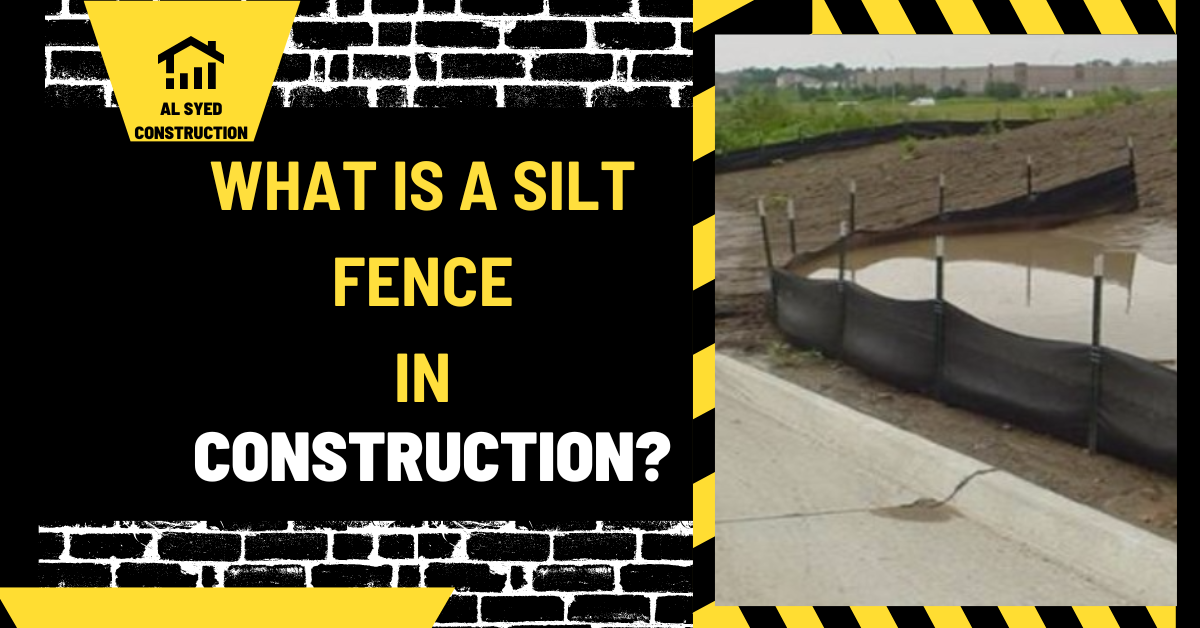
A silt fence, also known as a sediment filter fence, is a temporary sediment control device used in construction sites to protect water quality in nearby streams, rivers, lakes, and seas from sediment (loose soil) in stormwater runoff. It is a crucial component of erosion and sediment control plans, which are often required by environmental regulations to prevent soil erosion and sedimentation of water bodies. Understanding the function, installation, and maintenance of silt fences is essential for construction professionals committed to sustainable building practices.
Function and Design of Silt Fences
Sediment Trapping Mechanism
Silt fences work by intercepting and slowing down runoff water, allowing sediment to settle out before the water leaves the construction site. The fence consists of a porous geotextile fabric stretched between a series of wooden or metal stakes, forming a barrier that filters out sediment while allowing water to pass through.
Design Considerations
The effectiveness of a silt fence depends on its design and placement. Factors such as the height of the fence, the size of the fabric pores, and the placement of the stakes are carefully considered to maximize sediment retention while maintaining water flow.
Installation and Maintenance
Proper Installation
For a silt fence to function effectively, it must be installed correctly. This involves digging a trench for the bottom edge of the fabric, ensuring that the fence is securely anchored, and that the stakes are properly spaced and driven into the ground.
Regular Maintenance
Silt fences require regular maintenance to remain effective. This includes inspecting the fence for damage, repairing any tears or gaps, and removing sediment buildup to prevent overflow and ensure that the fence continues to trap sediment effectively.
Environmental Significance
Erosion and Sediment Control
Silt fences play a vital role in preventing soil erosion and sedimentation, which can harm aquatic ecosystems, degrade water quality, and lead to the loss of fertile topsoil from construction sites.
Compliance with Environmental Regulations
Using silt fences is often mandated by environmental regulations aimed at protecting water bodies from pollution. Compliance with these regulations not only helps preserve the environment but also protects construction companies from legal penalties and reputational damage.
| Review point | What to verify |
|---|---|
| Layout | Verify boundary, utilities, slope, and gate openings. |
| System | Coordinate posts, rails, panels, and fasteners. |
| Closeout | Check latches, transitions, finish, and drainage. |
Posts, infill, and gates should be specified as one fence system; use silt fence calculator and fencing in construction Division 32 to coordinate the adjacent choices.
Turn the fence concept into a buildable layout
A silt fence is a temporary sediment-control practice used to manage sheet flow from disturbed soil. It is not a property fence and should be located and maintained according to the site erosion-control plan. Use the topic as a decision to verify on the actual site, not as a universal detail copied from an unrelated project.
Check the approved plan for placement, flow direction, fabric and support requirements, inspection timing, sediment removal, and stabilization sequence. Write the assumption beside the measurement or drawing that supports it. This makes it easier for an owner, designer, installer, and inspector to see what has been decided and what still needs confirmation.
For fence work, start with the surveyed line and walk the proposed route. Soil, slope, wind exposure, vegetation, utilities, gate openings, and neighboring conditions can change post locations and panel choices. A fence that looks continuous on a plan may need stepped or raked sections in the field, and each transition should maintain the intended privacy, containment, or safety function.
Turn the plan into field checks
Start by recording the existing condition and the intended result. Compare the proposed work with the adjacent surface, support, opening, boundary, or drainage path. Confirm that the selected product and connection belong to the same system, then identify which work must be inspected before it is covered. These checks prevent a good-looking finish from hiding a weak interface or an unresolved water path.
| Review point | What to verify |
|---|---|
| Layout | Verify boundary, utilities, slope, and gate openings. |
| System | Coordinate posts, rails, panels, and fasteners. |
| Closeout | Check latches, transitions, finish, and drainage. |
Sequence the work around hold points
- Confirm the site measurements, existing material, and intended use before ordering or demolition.
- Resolve the structural, drainage, access, boundary, or code question that controls the layout.
- Check product instructions and approved drawings before cutting, fastening, placing concrete, or closing an enclosure.
- Inspect connections, edges, transitions, and water movement while each item remains visible.
- Record the final product, changes, approvals, and maintenance requirements for the next owner or contractor.
Failure pattern to prevent
A silt fence placed across concentrated flow or left damaged and full of sediment can be bypassed or fail even if the fabric itself is intact. A practical correction is to pause at the point where the condition becomes visible, document it with a measurement or photograph, and resolve the cause before adding more finish material. If the finding affects structure, fall protection, electrical work, or code approval, send it to the qualified designer or local authority rather than improvising a field change.
Example of a useful project note
For example, if a contractor proposes a change after opening the work area, note the original condition, the proposed detail, the product or drawing used to support it, and the person who approved the change. Then inspect the completed interface before trim, soil, siding, flooring, or stored items make it difficult to see. This record is more useful than a photo without a location or a verbal instruction that cannot be checked later.
Project-specific checks for silt fence in construction
Fence conditions change at corners, gates, slopes, property transitions, and material changes. Lay those points out before setting posts so panel widths and gate hardware can fit without improvised cuts. Check the ground at the bottom edge, the direction of gate travel, the post support, and how runoff continues along the boundary. Document the finished fence line and any approved change from the plan.
What to verify before the work is concealed
Inspect the location and continuity of each connection, the fit at edges and corners, and any route for water, movement, or access. Confirm that the installed material matches the product data and approved scope. Where a detail is hidden later by trim, soil, a panel, a membrane, or stored contents, take a record before closing it and identify the inspection or approval that applies.
Check the approved plan for placement, flow direction, fabric and support requirements, inspection timing, sediment removal, and stabilization sequence. Pair that information with the field condition rather than relying on a generic illustration. If the measured result differs from the plan, record the difference and get the responsible reviewer’s direction before work continues.
- Photograph the relevant interface with a location and date.
- Record the product, finish, and fastener actually installed.
- Note any deviation, approval, inspection, or repair still outstanding.
- Keep access open until the responsible reviewer accepts concealed work.
Records, follow-up, and maintenance
Closeout should capture the measurements, product names, drawings, approvals, inspection results, and any maintenance instructions that affect silt fence in construction. Keep the records together with photographs of concealed conditions and contact details for the installer or supplier. A clear record helps diagnose later movement, water entry, finish wear, or replacement needs without guessing how the original work was assembled.
Set a follow-up inspection based on exposure and use. After severe weather, seasonal movement, or a change in how the area is used, look again at the interface that carries the greatest risk. Correct loose, damaged, or blocked details early, and address the cause rather than covering the symptom with a new finish.
Common questions
What should be checked first for silt fence in construction?
A silt fence is a temporary sediment-control practice used to manage sheet flow from disturbed soil. It is not a property fence and should be located and maintained according to the site erosion-control plan. Then verify the controlling site measurement and the interface that will be hidden or loaded by the work.
Can one detail be used on every project?
No. Use the project’s actual substrate, exposure, intended use, approved design, product directions, and local requirements. A detail that works on one deck, porch, fence, or site condition may not transfer to another.
Closeout checklist for silt fence in construction
At completion, compare the work with the approved scope, inspect the transitions that carry water or loads, and confirm that doors, gates, stairs, and service access operate as intended. Record product names, dimensions, finish, approvals, inspection results, and any change made in the field. This documentation helps a future owner or contractor maintain the assembly without guessing which product or detail was used.
Revisit the work after weather exposure or initial use. Look for movement, loose connections, standing water, blocked drainage, damaged finish, or access problems. Address the cause early and keep the repair record with the original plans.
Conclusion
A silt fence is a critical sediment control tool in construction, designed to prevent soil erosion and protect water quality. Its effectiveness depends on proper design, installation, and maintenance. By incorporating silt fences into their erosion and sediment control plans, construction professionals can contribute to environmental sustainability while adhering to regulatory requirements. As construction activities continue to impact natural landscapes, the role of silt fences and other erosion control measures becomes increasingly important in mitigating their environmental footprint.



Leave a Reply
Want to join the discussion?Feel free to contribute!