
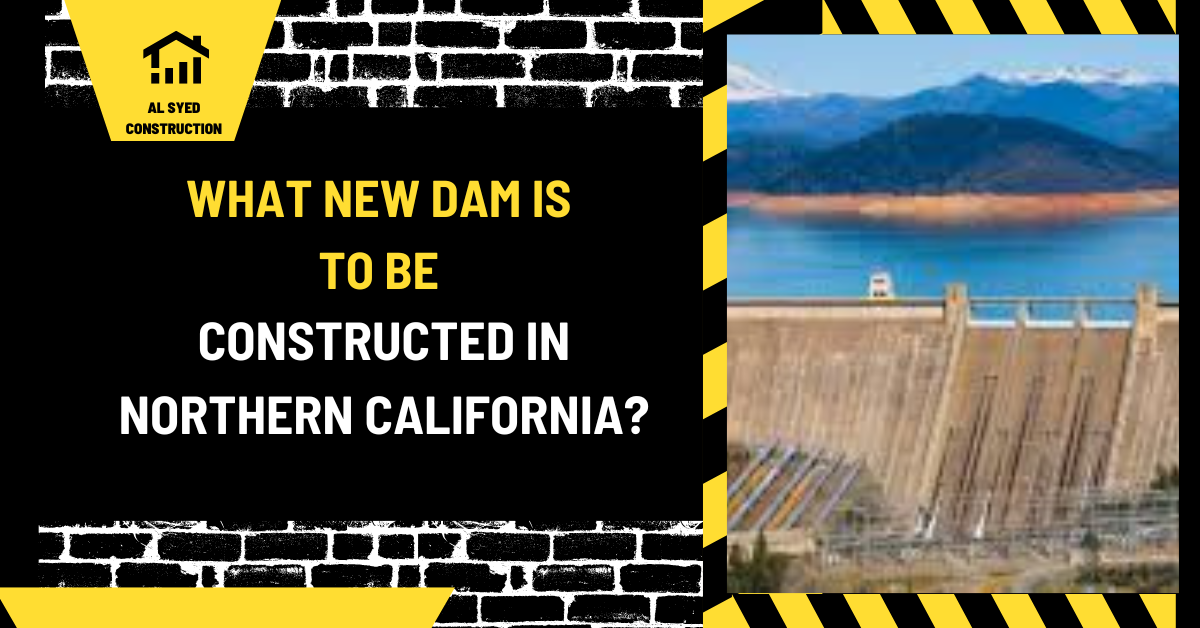
New Dam in Northern California: Sites Reservoir
The major new dam project most often discussed for Northern California is Sites Reservoir, a proposed off-stream water-storage project west of the Sacramento River near Maxwell. It is planned as a 1.5-million-acre-foot reservoir supplied by diversions from the Sacramento River during eligible high-flow periods. As of September 30, 2026, the project had advanced through important permitting steps but had not yet reached full construction: California issued a water-quality certification on September 10, and the final water-rights permit was scheduled to go before the State Water Board on November 4.
Sites Reservoir is not a conventional dam placed directly across the Sacramento River, and it is not primarily a hydropower project. Its current plan includes two main dams, seven saddle dams, two saddle dikes, pumping facilities, pipelines, roads, and recreation areas. This article explains what is proposed, what “closer to construction” means, and how Sites differs from other dam proposals sometimes mentioned in Northern California.
What Sites Reservoir is
Sites Reservoir is planned for the Antelope Valley in Glenn and Colusa counties, west of the Sacramento River and near the community of Maxwell. It is described as an off-stream surface reservoir because the main storage area is not built directly across the Sacramento River. Water would be diverted from the river through existing and new conveyance facilities, stored in the reservoir, and released back into the broader river system when needed.
The project’s stated storage capacity is approximately 1.5 million acre-feet. That is a design capacity, not a promise that the reservoir will be full every year. Water availability depends on hydrology, water rights, operating rules, regulatory requirements, conveyance, and competing needs. Capacity figures should be distinguished from the amount expected to be available in a particular dry year.
The State Water Resources Control Board’s project description lists construction of two dams, seven saddle dams, two saddle dikes, pumping facilities, pipelines, road work, and recreation areas. The project also depends on diversion and release infrastructure that connects the reservoir to the Sacramento River system. It is therefore a water-storage system rather than one dam wall alone.
Why the project is proposed
Supporters describe Sites as a way to capture some water during wet periods and store it for later use during dry conditions. Proposed uses include municipal and agricultural water supply, environmental water, and increased flexibility in managing California’s water system. The reservoir is intended to work with existing facilities rather than operate as an isolated water source.
Off-stream storage can change when and how water is moved. The project would divert only under applicable water-right and operational conditions; it does not automatically capture all high flows. Water must be available after other legal and regulatory requirements are met, and the reservoir’s operations must follow permits and agreements. That distinction matters when assessing projected benefits.
The project may also include recreation and public-benefit elements. Those benefits are part of the authorization and funding framework, but they do not eliminate the need to evaluate construction impacts, water quality, fish and wildlife, land use, and long-term operating costs. An accurate article presents intended benefits as project goals, not as guaranteed outcomes.
What is the status as of September 30, 2026?
The status is time-sensitive, so this article states its date explicitly. The California State Water Resources Control Board lists the project’s water-quality certification as issued on September 10, 2026. A California Governor’s office update dated September 24 said the project was moving closer to construction and that a final water-rights permit was scheduled for consideration by the State Water Board on November 4, 2026.
The project authority’s public communications described a goal of breaking ground by the end of 2026, subject to the remaining approvals, contracts, financing, and other requirements. A goal or target date is not the same as a verified start of dam construction. As of September 30, readers should describe Sites as an advanced proposed project moving through investment and final permitting steps—not as an operating reservoir or a completed dam.
The project’s status can change after the date above. When this page is next updated, verify the State Water Board action, water-right permit, financing, construction contract, and actual field mobilization. “Permit issued,” “investment period,” “groundbreaking,” and “construction underway” describe different milestones and should not be used as synonyms.
What has to be built
The reservoir would be contained by two main dams and multiple saddle dams and dikes that close lower points around the storage area. The project also requires roads, pumping facilities, pipelines, power and control systems, recreation infrastructure, and connections to existing conveyance. Each component has separate design, land, permitting, procurement, and construction requirements.
The dams and dikes must be designed for foundation conditions, seismic demands, seepage control, slope stability, and reservoir operations. Their embankment materials and filters are selected through geotechnical investigations and engineering specifications. The project’s water conveyance system needs to move water into and out of the reservoir while meeting environmental and water-right rules.
Construction logistics include site access, borrow and material management, staging, worker facilities, utility relocation, erosion and sediment control, and traffic management. Work proceeds in phases, with testing and inspections at foundation preparation, embankment placement, concrete structures, pipelines, pumps, and commissioning. An off-stream reservoir’s operation depends on these connected systems as much as on the embankment itself.
How Sites differs from Shasta and Auburn proposals
Shasta Dam already exists on the Sacramento River. Proposals to raise or expand Shasta Dam are separate from building a new off-stream Sites Reservoir. They have their own environmental, engineering, water, and authorization questions. Describing a Shasta raise as the same project as Sites would confuse two different locations and designs.
Auburn Dam is a long-discussed proposal in the American River region with a different history and status. It should not be described as the new Northern California dam currently moving through Sites Reservoir’s permitting milestones. Older planning materials may list Auburn alongside other water projects, but readers need current sources before treating a proposal as active or funded.
Sites Reservoir is the project to name when answering the present-day question about a major new proposed water-storage project in Northern California. Still, “the dam to be constructed” can overstate certainty. The project is moving toward construction, but remaining approvals and funding milestones matter, and the actual start date must be verified.
| Project | General description | Status distinction |
|---|---|---|
| Sites Reservoir | Proposed off-stream storage project west of the Sacramento River | Permitting and investment milestones; as of Sept. 30, 2026, not yet verified as under full construction |
| Shasta Dam raise | Potential expansion of an existing dam | Separate proposal and approval process |
| Auburn Dam | Long-discussed proposed water project on the American River | Not the same as Sites and should not be described as the current active build without new evidence |
Environmental and community considerations
A large reservoir changes land use and habitat. The project’s environmental review considers inundation, terrestrial and aquatic species, water quality, cultural resources, recreation, transportation, and effects on communities. Conveyance and diversion can affect river flows and fisheries; operation must follow the water-right and environmental requirements adopted for the project.
Construction can produce noise, dust, traffic, erosion, sediment, and temporary changes to waterways. The project needs plans for stormwater, materials, worker access, traffic safety, habitat protection, and restoration. The dams and reservoir also need long-term monitoring and emergency planning. Those considerations are part of project delivery, not optional add-ons.
Potential water-supply benefits should be weighed against cost, financing, hydrologic uncertainty, environmental impacts, and how the project will be operated. Reservoir capacity alone does not determine the amount of water available to a community. The article on dam construction impacts on ecosystems explains the main ecological mechanisms that decision-makers review.
Is Sites Reservoir a hydropower dam?
The project is primarily described as a water-storage and conveyance project. Do not assume that a dam produces electricity simply because it stores water. Hydropower generation requires turbines, generators, a suitable hydraulic head and flow, transmission, and an operating plan that supports generation. Project features should be checked against approved plans before calling Sites a hydropower facility.
This distinction matters because “dam,” “reservoir,” and “hydropower project” are related but not interchangeable. Some dams provide flood control, water storage, irrigation supply, recreation, ecological flows, hydropower, or multiple benefits. The project’s official description and permits define the role of Sites. A comparison with the global hydropower construction outlook should distinguish energy projects from water-storage projects.
Common questions
What new dam is planned in Northern California?
Sites Reservoir is the major new off-stream storage project currently moving through permitting and investment steps. It is planned west of the Sacramento River near Maxwell and has a proposed capacity of about 1.5 million acre-feet.
Is Sites Reservoir already under construction?
As of September 30, 2026, official updates showed important permits and investment milestones, with a final water-rights permit scheduled for November 4. A target to break ground by year-end is not confirmation that construction has started.
Where will Sites Reservoir be located?
The reservoir is planned in the Antelope Valley in Glenn and Colusa counties, west of the Sacramento River and near Maxwell. Related facilities extend to other locations in the regional conveyance system.
Is Sites Reservoir the same as raising Shasta Dam?
No. Sites is a proposed off-stream reservoir, while a Shasta raise would expand an existing dam on the Sacramento River. They are separate projects with separate reviews.
How much water will Sites Reservoir hold?
The project is designed for approximately 1.5 million acre-feet of storage. Actual water availability in any year depends on hydrology, permits, operating rules, and conveyance.
What “to be constructed” should mean
Sites Reservoir is the clearest answer to which major new dam project is proposed for Northern California, but its status must be stated precisely. As of September 30, 2026, it had reached significant permitting and investment milestones and was moving closer to construction; it was not yet verified as an operating reservoir or fully under construction. The next update should confirm the scheduled November 4 water-rights action and whether the project has actually mobilized for construction.



Leave a Reply
Want to join the discussion?Feel free to contribute!