
Which Cement Is Used in Dam Construction?
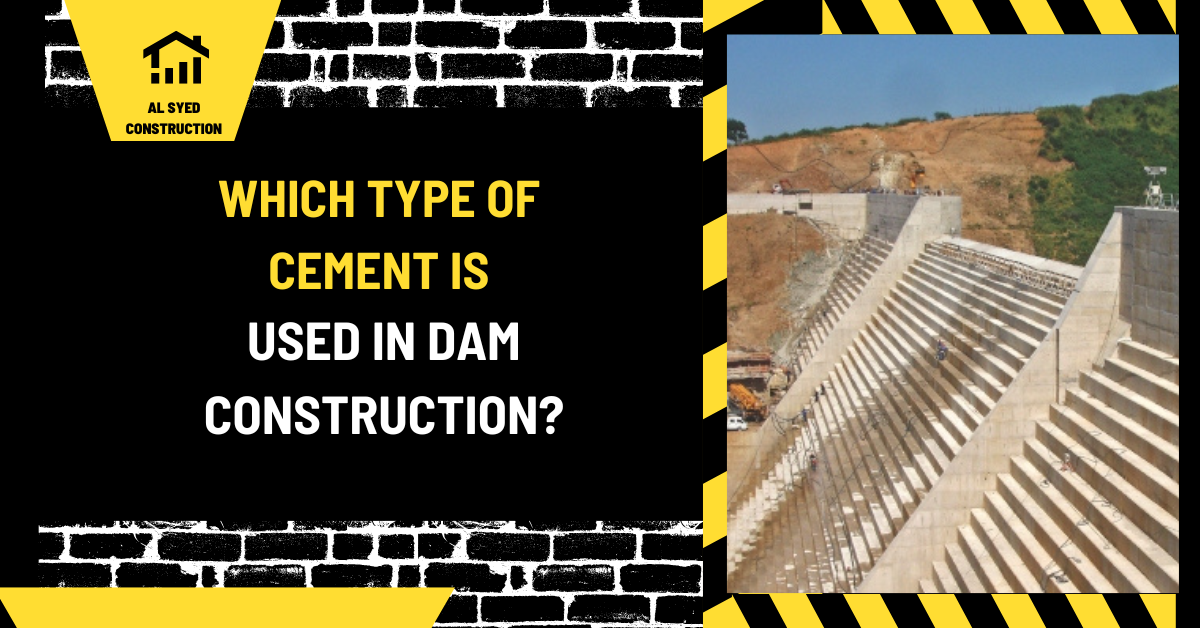
There is no single cement type used for every dam. The binder is selected for the dam’s material, size, exposure, placement method, temperature-control plan, and long-term durability requirements. A concrete gravity dam, a roller-compacted concrete dam, and a concrete spillway do not necessarily use the same mixture. Some dams are earthfill or rockfill structures and use concrete only in features such as spillways, outlets, or foundations.
For massive concrete placements, engineers pay close attention to heat generated as cement hydrates. If the interior warms and later cools much more slowly than the surface, temperature differences can create restraint and cracking. The answer is not simply “use low-heat cement.” Designers evaluate the complete concrete mixture, aggregate, placement blocks, lift sequence, curing, cooling measures, and operating environment. This guide explains the main binder choices and why project specifications control the decision.
Cement is one part of dam concrete
Cement is the reactive powder that binds the ingredients when mixed with water. Concrete also contains fine and coarse aggregate, water, and, when needed, supplementary cementitious materials and chemical admixtures. The final behavior depends on their proportions and compatibility. A dam’s strength, permeability, heat development, workability, and durability are properties of the designed mixture and construction process, not of the cement label by itself.
The term “cement” is often used casually to mean concrete. On a dam project, that distinction matters. A mix may use Portland cement with fly ash, slag cement, or another approved supplementary binder. Aggregate grading and mineralogy can strongly affect the mixture’s volume stability and durability. The water-to-binder ratio, curing, temperature, placement thickness, and joint treatment also influence long-term performance.
Many dams are not built as one solid concrete block. Concrete dams are placed in planned sections, lifts, or monoliths with joints and embedded features. Roller-compacted concrete (RCC) uses a comparatively dry, stiff mixture placed and compacted in horizontal layers using earthmoving and compaction equipment. The binder and placement process for RCC are selected to meet the design requirements; it is still a concrete material system, not simply ordinary concrete spread with a roller.
What low heat means in mass concrete
Hydration releases heat. In a thin slab, heat can dissipate relatively quickly. In a thick dam block, the core can retain heat while the exposed surface cools, creating a temperature gradient. If the gradient and restraint exceed the concrete’s ability to accommodate strain, cracking can occur. Cracks may compromise durability or water tightness and can require costly investigation and repair.
A lower-heat binder can be one tool for managing this behavior. Some Portland cement classifications have historically been associated with moderate or low heat of hydration, and blended cements or supplementary cementitious materials can reduce early heat or improve other performance characteristics. The actual effect depends on the specific materials, mixture proportions, temperature, and curing. A label alone does not guarantee a particular thermal profile.
Engineers may also control heat by using chilled mixing water or ice, selecting aggregate with suitable thermal properties, limiting placement temperatures, adjusting lift thickness and timing, installing embedded cooling pipes where designed, and monitoring temperatures. These controls are chosen through project analysis and trial mixtures. The dam’s size, construction schedule, climate, foundation restraint, and joint layout influence the plan.
Common binder options and how they are considered
Portland cement is a common base binder in concrete work. The selected type must satisfy strength-development, setting, heat, and exposure requirements in the project specification. In U.S. specifications, a designer may consider a cement type intended for moderate sulfate exposure or lower heat, but it must be available and suitable for the materials and construction sequence. No type should be chosen solely because a general article calls it “the dam cement.”
Fly ash can replace a portion of Portland cement in a properly designed mixture. Depending on its source and the mix, it can help reduce heat development, improve workability, and contribute to later-age strength. Its performance is material-specific and can be affected by variability and curing temperature. The design team verifies the source, physical properties, compatibility, and acceptance criteria before approving use.
Ground granulated blast-furnace slag cement can be used in blended systems to adjust heat development and durability characteristics. Other supplementary materials may be considered where project testing and specifications support them. Chemical admixtures can modify workability, set, or air content, but they are not substitutes for a sound mixture design and quality-control plan. Any change to binder sources or proportions requires technical review and approval.
How the engineer chooses a mixture
The design begins with performance requirements: structural strength, permeability or water tightness, exposure to water and chemicals, abrasion, freeze-thaw cycling, service life, and construction schedule. The dam type and element matter. A mass concrete block, thin spillway slab, tunnel lining, and foundation grout may each require different materials and acceptance criteria.
The engineer then evaluates aggregate sources and binder compatibility. Alkali-silica reaction (ASR) is a concern when reactive aggregate and alkalis create expansion over time. Testing and mitigation may involve aggregate selection, supplementary cementitious materials, or specified limits on alkali contributions. Sulfate exposure, water chemistry, and freeze-thaw conditions may also affect the binder and air-void requirements. Decisions rely on project test data and applicable standards, not a universal recipe.
Thermal analysis and trial batches help confirm that the mixture can be placed and compacted with the planned equipment while controlling heat and meeting strength requirements. The team checks slump or consistency where applicable, air content, temperature, density, strength, and other properties specified for the work. Trial placements may reveal whether the aggregate, binder, admixture, and placement method work together at the scale needed.
| Project need | Possible design response | What must be verified |
|---|---|---|
| Limit heat in a thick placement | Lower-heat binder, blended mixture, staged placement, or cooling plan | Trial-mixture heat and temperature analysis |
| Resist sulfate exposure | Exposure-specific cementitious system and low-permeability concrete | Site water/soil chemistry and specification |
| Reduce ASR risk | Qualified aggregates and approved mitigation | Aggregate reactivity and project testing |
| Place RCC efficiently | RCC mixture with suitable consistency and compaction characteristics | Density, lift bonding, and strength criteria |
| Meet early construction schedule | Strength development and placement sequence coordinated | Testing, curing, and release criteria |
RCC and conventional mass concrete are different placement systems
Conventional mass concrete is typically delivered and placed in forms or defined blocks using a controlled sequence. Large pours may use internal cooling, temperature sensors, and planned joints. Engineers coordinate batch production, delivery, consolidation, curing, and the next lift. The mix must remain workable during transport and placement while meeting the thermal and structural requirements.
RCC is placed in horizontal lifts and compacted using rollers. The material is much stiffer than ordinary structural concrete at placement, and its performance depends on uniform production, moisture control, lift timing, compaction, and the bond between layers. A dam built with RCC still needs careful design of foundation preparation, galleries, spillways, outlets, joints, and interfaces. RCC should not be described as a cement type; it is a concrete mixture and construction method.
Both systems can use cementitious blends. The proper choice depends on the design, materials, climate, construction plant, and project quality plan. When a dam article says “low-heat cement is always used,” it hides the central engineering work: specifying performance, verifying materials, controlling temperature, and documenting the concrete placed in each block or lift.
Placement, cooling, and quality control
Before a placement, the contractor and owner confirm approved material sources, batch plant calibration, forms or boundaries, reinforcement and embedded items, joint surfaces, temperature limits, access, and the testing plan. For mass concrete, monitoring points and actions should be set out before production begins. The team also coordinates concrete supply with the planned placement rate; interruptions can affect both thermal behavior and construction-joint quality.
During placement, staff record delivery and placement times, mixture identification, concrete temperature, weather, test results, and any unusual conditions. Cooling water or embedded pipes are operated only as designed. Temperature readings are reviewed against the project’s action thresholds. If results vary from expectations, the engineer evaluates the cause before the next lift or block proceeds.
After placement, curing protects the concrete while it develops properties. Surface preparation and joint treatment follow the design so the next lift bonds or seals as required. Strength tests are important, but they do not alone prove that mass-concrete temperature controls were successful. Quality records should connect each placed batch to its location, tests, monitoring data, and any approved corrective work.
Common misconceptions about dam cement
“Type IV is always used” is too broad. Low-heat Portland cement may be considered, but availability, specification, supply chain, mixture testing, and project conditions determine whether it is selected. A blended binder can be part of an approved solution, and thermal control may also come from placement planning and cooling measures.
“More cement means a stronger dam” is also misleading. Increasing binder content can raise heat generation and shrinkage potential while not solving poor aggregate, placement, joint, or curing problems. The design targets required performance, not the largest possible cement content.
Finally, a dam’s body is not necessarily concrete. Earthfill and rockfill dams use compacted soil or rock as the main embankment, even though they may have concrete spillways or outlet structures. To understand the whole project, identify the dam type and the element being discussed. The Hoover Dam materials question looks specifically at concrete ingredients and clarifies why aggregate is not the same as cement.
Questions readers ask
Which cement is best for a concrete dam?
There is no universal best type. The engineer selects a cementitious system based on heat control, strength, durability, exposure, aggregate compatibility, supply, and placement method. The contract specification and project testing define the approved mixture.
Is low-heat cement always required for a dam?
No. Thick mass-concrete sections often require thermal management, but it may involve binder selection, staged placements, cooling, monitoring, or several measures together. The analysis determines what is required for the specific structure.
Can fly ash be used in dam concrete?
Yes, when the project specifications and testing approve the source and mixture. Fly ash may affect heat development, workability, and strength gain, but results depend on its properties, proportion, other materials, and curing conditions.
Is roller-compacted concrete a type of cement?
No. RCC is a concrete mixture and placement method in which a stiff mixture is spread in lifts and compacted. It may use Portland cement and supplementary materials, as determined by its approved design.
Does the dam’s cement determine its durability?
Durability depends on the concrete system and the construction quality: binder, aggregate, water, mixture proportions, curing, joints, exposure, and maintenance. Cement type is important, but not sufficient by itself.
The practical answer
When asked what cement is used in dam construction, the accurate answer is that the project engineer specifies a concrete binder system for the dam type, element, exposure, and thermal design. Portland cement, blended cement, and supplementary cementitious materials may be used in different combinations. A reliable project decision uses testing and specifications to control heat, strength, durability, and placement quality. For a real dam, the approved drawings, technical specification, and quality plan—not a generic type name—are the source of truth.


Leave a Reply
Want to join the discussion?Feel free to contribute!